Questions? Call us at 800-810-7790

- Hepatitis B is a viral infection that affects the liver and can be short-term or chronic. Chronic infection can lead to serious liver problems like cirrhosis or cancer.
- It spreads through blood and body fluids, often without symptoms at first.
- When symptoms occur, they often resemble the flu and can include fatigue, nausea, dark urine, and jaundice.
- The hepatitis B vaccine is safe, effective, and the best way to prevent infection. It is available and recommended for all age groups.
- While often not curable, medications can control the virus, slowing progression and protecting the liver.

Overview
Hepatitis B is a viral infection that primarily affects the liver. It's caused by the hepatitis B virus (HBV). It spreads through contact with infected blood or body fluids, such as during unprotected sex, sharing needles, or from mother to baby at birth.
Some people recover quickly, while others develop a long-term (chronic) infection that can lead to serious liver problems like cirrhosis or liver cancer.
- Acute hepatitis B is a short-term illness that typically resolves within a few months.
- Chronic hepatitis B lasts longer than six months and can cause liver damage over time, even if you don't experience immediate symptoms. It can lead to conditions like cirrhosis (scarring of the liver), liver cancer, or liver failure.
Many people do not notice symptoms, but when they occur, they may include tiredness, fever, loss of appetite, nausea, abdominal pain, joint pain, dark urine, or yellowing of the skin and eyes (jaundice).
Types of Hepatitis
There are several types of viral hepatitis, but hepatitis B is especially important because it can become chronic and lead to serious liver diseases.
Other types, such as hepatitis A and E, usually spread through contaminated food or water; hepatitis C is mainly spread through blood; and hepatitis D only affects people already infected with hepatitis B.
Hepatitis B is unique because it can often be prevented with a safe and effective vaccine and may remain silent for years without symptoms.
Prevalence
Hepatitis B is not very common in the United States, but it still affects thousands of people each year. In 2022, the CDC estimated about 14,000 new cases. The bigger concern is chronic hepatitis B, which means the infection stays in the body long-term. Between 580,000 and 760,000 people in the U.S. are living with chronic hepatitis B.
Many of these individuals were born in parts of the world where hepatitis B is more common or were infected before the hepatitis B vaccine became widely used.
Worldwide, hepatitis B is a much bigger health problem. According to the World Health Organization, about 254 million people lived with chronic hepatitis B in 2022, and around 1.2 million new infections occurred that year. Hepatitis B caused about 1.1 million deaths globally in 2022, mainly due to liver damage like cirrhosis and liver cancer.
The hepatitis B vaccine has made a big difference. Since the early 1990s, it has been part of the routine vaccination schedule for infants in the U.S.
Symptoms
Many people with hepatitis B don’t feel sick at first. That’s one reason the virus can spread easily, someone can have it and not know it. Some people never develop symptoms, while others may not notice anything until their liver is already affected.
When symptoms do occur, they often resemble the flu and can include:
- Feeling tired or weak
- Low-grade fever
- Nausea or vomiting
- Loss of appetite
- Stomach pain, especially on the right side
- Dark urine
- Pale or clay-colored stools
- Joint pain
- Yellowing of the skin or eyes (jaundice)
Symptoms typically appear 2 to 3 months after infection and can last from a few weeks to several months. In acute cases, symptoms usually go away as the body clears the virus.
However, in chronic hepatitis B, symptoms may come and go or remain mild for years while liver damage progresses quietly. This is why some people are diagnosed only after serious liver problems develop.
Risk Factors
Anyone can get hepatitis B, but some people are at higher risk based on where they were born, their health history, or certain behaviors.
You may be at a higher risk if you:
- Were born in a country where hepatitis B is common
- Had a mother with hepatitis B at birth
- Live with someone who has chronic hepatitis B
- Have had unprotected sex with someone who carries the virus
- Are a man who has sex with men
- Have shared needles, syringes, or drug equipment
- Work in healthcare or have contact with blood on the job
- Are on dialysis or receive frequent blood transfusions
- Have been in prison or group living settings
- Have had a liver transplant or certain immune conditions
Diagnosis
Hepatitis B is usually diagnosed with a blood test.
Sometimes people get tested because they have symptoms. Other times, it’s found during routine screenings, such as before surgery, during pregnancy, or when donating blood.
The blood test checks for the hepatitis B surface antigen (HBsAg), which shows if the virus is currently present in your blood. If HBsAg is positive, further tests determine whether the infection is new (acute) or long-lasting (chronic), and measure the amount of virus (viral load).
Doctors often check how well your liver is working. Blood tests can show liver enzyme levels, which rise when the liver is inflamed or damaged.
If there’s concern about long-term liver damage, imaging tests like an ultrasound may be done. In some cases, a liver biopsy is needed to look more closely at liver health.
Treatment
Treatment for hepatitis B focuses on protecting your liver by keeping the virus under control. While it doesn’t usually cure the infection, it can slow the virus down and reduce the risk of serious liver damage.
There are two main types of treatment:
- Antiviral medications: These are pills taken daily to stop the virus from multiplying.
- Immune modulator drugs: These are injections that help your immune system fight the virus.
Not everyone with chronic hepatitis B needs treatment right away. Doctors decide based on your liver health, viral load, and other test results.
Common antiviral drugs include:
- Entecavir (Baraclude): Works by blocking the virus’s ability to copy its DNA. Side effects can include headache, fatigue, dizziness, and nausea.
- Tenofovir disoproxil fumarate (Viread): Prevents the virus from replicating by blocking a key enzyme. Possible side effects include rash, diarrhea, headache, muscle pain, and some impact on kidney function and bone health, so regular monitoring is needed.
- Lamivudine (Epivir): Reduces the virus’s ability to reproduce. Side effects may include headache, fatigue, nausea, and, rarely, serious liver problems.
- Adefovir (Hepsera): Side effects include kidney problems, lactic acidosis, and rarely, liver issues.
- Telbivudine (Tyzeka): Common side effects include headache, fatigue, muscle weakness or pain, difficulty breathing, dizziness, and an increased heart rate.
Adefovir (Hepsera) and Telbivudine (Tyzeka) are less commonly used today but may still be prescribed in certain cases.
In certain cases, doctors may recommend immunotherapy with drugs like interferon, which help stimulate the immune system to fight the virus but can have more side effects.
Prevention
The best way to prevent hepatitis B is through vaccination. It teaches your immune system to recognize and fight the virus before it can cause an infection.
For Infants and Children
- Babies get their first dose within 24 hours of birth.
- The full series includes three doses: at birth, 1–2 months, and around 6 months of age.
For Adults
Adults who were not vaccinated as children can also receive the vaccine, especially if they are at higher risk, including healthcare workers, people living with someone who has chronic hepatitis B, or those born in regions where the virus is common.
The CDC recommends the hepatitis B vaccine for:
- All newborns
- Children and teens under 19 who haven't been vaccinated
- Adults aged 19 to 59
- Adults 60 and older who have higher risk factors like certain medical conditions or work exposures
Other Ways to Prevent Infection
- Using condoms during sex, especially with new or untested partners
- Don’t share razors, toothbrushes, needles, or anything that might have blood on it.
- Make sure medical, piercing, or tattoo equipment is properly sterilized.
- If you live with someone who has hepatitis B, take extra care to avoid contact with their blood.
Related Topics
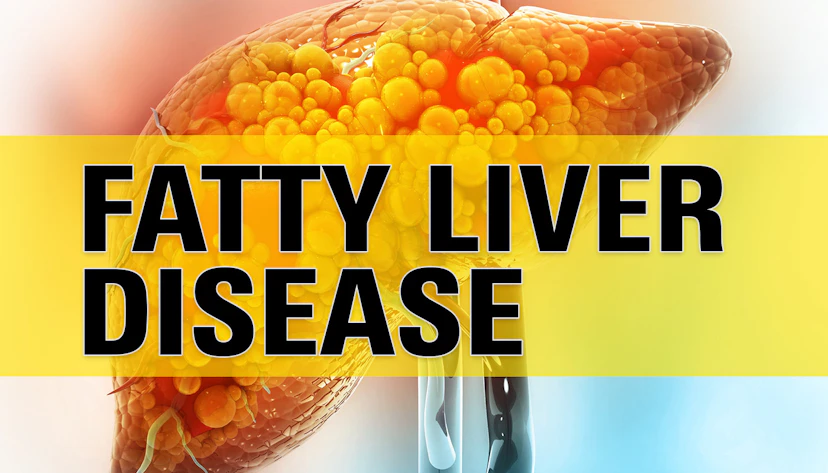
Fatty Liver Disease
Fatty liver disease is increasingly common—over 25%. It also impacts children, with prevalence rates ranging from 7% to 34%. This condition has important implications for overall health.
Read more