Questions? Call us at 800-810-7790

- Osteoporosis is a common condition characterized by decreased bone mass, increased fracture risk, chronic pain, and reduced quality of life.
- In the United States, approximately 10 million individuals have osteoporosis, and an additional 44 million have low bone mass, placing them at an increased risk of developing the condition.
- The diagnosis of osteoporosis involves a combination of clinical evaluation, assessment of fracture risk, and measuring bone mineral density (BMD).
- Complications of osteoporosis include fractures (especially in the spine, hips, and wrists) and related issues such as kyphosis, loss of height, limited mobility, and chronic pain.
- Treatment options include medications (such as bisphosphonates and hormone replacement therapy), calcium and vitamin D supplementation, lifestyle modifications (regular exercise, balanced diet, no smoking, limited alcohol), and fall prevention strategies.
Overview
Osteoporosis is a chronic medical condition characterized by a loss of bone mass and density, resulting in weaker and more brittle bones that are prone to fractures.
Normally, bones are constantly breaking down and rebuilding themselves in a process called remodeling. Osteoporosis occurs when this process becomes imbalanced, with more bone being broken down than being replaced. Over time, this leads to a gradual loss of bone mass and density.
While osteoporosis can affect any bone in your body, it’s most commonly seen in the hip, spine, and/or wrist. Fractures in these areas can be especially debilitating and significantly reduce quality of life.
Prevalence
Osteoporosis is quite common worldwide. Approximately 1 in 3 women and 1 in 5 men over the age of 50 will experience osteoporotic fractures during their lifetime. In the United States, around 10 million individuals have osteoporosis, and an additional 44 million have low bone mass, putting them at a higher risk of developing the condition.
Studies have shown that certain ethnic groups, such as Caucasians and Asians, may be more susceptible to osteoporosis.
Since osteoporosis often progresses silently until a fracture occurs, it is crucial for individuals to be aware of their risk factors and undergo regular bone density testing as recommended by their healthcare provider. Early identification of the condition allows for timely treatment, reducing the risk of fractures and other complications.
Symptoms
In the early stages of osteoporosis, there are typically no signs or symptoms. As this condition progresses, you may begin to experience the following signs and symptoms:
- Back pain: Osteoporosis can cause compression fractures in your spine, which can lead to severe back pain.
- Loss of height: Compression fractures in your spine can also cause you to lose height over time.
- Stooped posture: Severe osteoporosis can cause your spine to curve, leading to a hunched or stooped posture.
- Increased risk of fractures: Osteoporosis weakens bones, making you more susceptible to fractures. Fractures most commonly occur in the hip, spine, and wrist.
- Dental problems: Osteoporosis can cause tooth loss and other dental problems, as it can affect the bones in your jaw.
For some, osteoporosis may have no symptoms until a fracture occurs, which is why regular bone density testing is recommended for individuals at risk of developing this condition.
Types
There are several types of osteoporosis based on the underlying cause.
Primary osteoporosis
This is the most common type of osteoporosis and occurs as a result of the natural aging process. There are two subtypes of primary osteoporosis.
- Postmenopausal osteoporosis occurs in women after menopause due to a decrease in estrogen levels, which accelerates bone loss.
- Age-related osteoporosis is associated with aging and affects both men and women. It is characterized by a gradual decline in bone mass and bone density.
Secondary osteoporosis
This type of osteoporosis develops as a result of an underlying medical condition or medication use. Some common causes include:
- Hormonal disorders: Conditions such as hyperthyroidism, Cushing's syndrome, and hypogonadism can disrupt hormone levels and contribute to bone loss.
- Medications: Long-term use of certain medications like glucocorticoids (e.g., prednisone), anticonvulsants, and some cancer treatments can increase the risk of osteoporosis.
- Medical conditions: Chronic conditions like rheumatoid arthritis, inflammatory bowel disease, kidney disease, and malabsorption syndromes can affect bone health and lead to osteoporosis.
Lifestyle factors: Sedentary lifestyle, poor nutrition, smoking, excessive alcohol consumption, and low vitamin D levels can also contribute to secondary osteoporosis.
Other rare forms of osteoporosis
- Idiopathic juvenile osteoporosis occurs in children and adolescents with no identifiable cause. It typically presents with bone pain, fractures, and reduced bone density.
- Osteogenesis imperfecta, also known as brittle bone disease, is a genetic disorder that causes bones to be fragile and prone to fractures. It is caused by a defect in the production of collagen, a protein that provides strength to bones.
Risk Factors
- Age: Bone density decreases with age, so the risk of osteoporosis increases as you get older.
- Gender: Women are more likely than men to develop osteoporosis, particularly after menopause.
- Genetics: A family history of osteoporosis can increase your risk of developing this condition.
- Low body weight: Being underweight or having a small body frame can increase your risk of osteoporosis.
- Low calcium and vitamin D intake: Calcium and vitamin D are essential for building and maintaining strong bones.
- Sedentary lifestyle: Lack of weight-bearing exercise can lead to a loss of bone mass and density.
- Smoking: Smoking can interfere with your body's ability to absorb calcium, as well as decrease estrogen levels in women.
- Excessive alcohol consumption: Heavy alcohol use can interfere with your body's ability to absorb calcium and increase the risk of falls.
- Certain medical conditions: Conditions such as hyperthyroidism, inflammatory bowel disease, and rheumatoid arthritis can increase your risk of osteoporosis.
- Certain medications: Long-term use of glucocorticoids, including prednisone, and some anticonvulsants can increase your risk of osteoporosis.
Complications
Osteoporosis can lead to various complications, especially if left untreated or poorly managed. Here are some of the common complications associated with osteoporosis:
- Fractures: Osteoporosis significantly increases the risk of fractures, especially in weight-bearing bones such as the spine, hips, and wrists. Fractures can occur with minimal trauma or even during routine activities, and they can result in significant pain, disability, and loss of function.
- Kyphosis and Loss of Height: Osteoporosis-related fractures in the spine can lead to a stooped posture and curvature of the spine called kyphosis. This can result in a loss of height and a decreased quality of life.
- Chronic Pain: Osteoporotic fractures can cause chronic pain, affecting mobility, daily activities, and overall well-being.
- Restricted Mobility and Disability: Fractures and bone loss can lead to restricted mobility and increased disability, limiting a person's ability to perform daily activities and affecting independence.
- Decreased Quality of Life: The physical limitations, pain, and psychological impact of osteoporosis and its fractures can lead to a decreased quality of life, affecting mental health, social interactions, and overall well-being.
- Increased Mortality: Osteoporotic fractures, particularly hip fractures, are associated with increased mortality rates, especially among older adults.
It's important to note that timely diagnosis, appropriate treatment, and lifestyle modifications can help minimize the risk of complications and improve overall outcomes for individuals with osteoporosis. Managing osteoporosis through a comprehensive approach that includes medication, exercise, fall prevention strategies, and adequate nutrition can reduce the risk of fractures and improve quality of life. Consulting with healthcare professionals is crucial for accurate diagnosis, personalized treatment plans, and guidance on managing osteoporosis and its potential complications.
Diagnosis
Osteoporosis is typically diagnosed using a bone density test, also known as a dual-energy x-ray absorptiometry (DXA or DEXA) scan. This test measures the amount of bone mineral in specific areas of your body, usually your hip and spine.
The results of a DXA scan are reported as a T-score, which compares an individual’s bone density to that of a healthy young adult. A T-score between -1 and -2.5 indicates low bone density, or osteopenia, which is a precursor to osteoporosis. And a T-score below -2.5 indicates osteoporosis.
In addition to a DXA scan, your doctor may also order blood tests to check for other conditions that can affect bone health, such as thyroid disorders or vitamin D deficiency. They may also ask about your medical history, family history, and/or lifestyle factors that can affect bone health.
If you have been diagnosed with osteoporosis or are at high risk of developing the condition, your doctor may also recommend other imaging tests, such as spine X-rays or CT scans, to assess for fractures or other complications.
Treatment
Treatment options may include lifestyle changes, medications, and other therapies. The choice of treatment depends on the severity of your condition, your risk of fractures, and other factors.
Keep in mind that treatment is typically long-term and may require a combination of therapies. It’s important to work with your healthcare provider to determine the most appropriate treatment plan for your individual needs.
Medications
Bisphosphonates
Bisphosphonates are the most commonly prescribed medications for osteoporosis. They help reduce bone loss and increase bone density. These drugs work by inhibiting the cells responsible for bone breakdown.
Examples include alendronate (brand: Fosamax), risedronate (brand: Actonel), and zoledronic acid (brand: Reclast).
Common side effects include calcium deficiency, phosphorous deficiency, abdominal pain, indigestion, nausea, vomiting, difficulty and/or discomfort swallowing, heartburn
Hormone replacement therapy (HRT)
Estrogen therapy can help prevent bone loss in women who have gone through menopause. However, HRT can have potential risks, such as an increased risk of blood clots and breast cancer, so it is typically used only in women with severe osteoporosis who cannot tolerate other medications.
Selective estrogen receptor modulators (SERMs)
These medications mimic the effects of estrogen on bone density without some of the potential risks of HRT. They include medications such as raloxifene (brand: Evista).
Common side effects include infections, hot flashes, leg cramps/muscle spasms, swelling that occurs in your lower legs or hands, joint pain, flu symptoms
Parathyroid hormone (PTH)
These medications can help to stimulate bone growth and increase bone density. They’re typically used in individuals with severe osteoporosis who are at high risk of fractures
For example, Teriparatide: This medication is a synthetic form of parathyroid hormone that can help stimulate bone growth and improve bone density.
Calcitonin
This hormone can help to slow down bone loss and reduce the risk of fractures. It is typically used only in women who cannot tolerate other medications.
Common side effects include back pain, muscle aches/pain, nausea, dizziness
Supplements and Lifestyle Changes
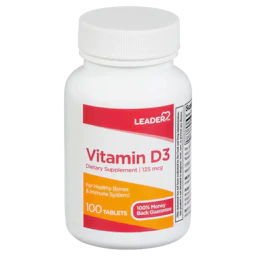
Calcium and vitamin D supplements
Adequate calcium and vitamin D intake is essential for maintaining bone health. If dietary sources are insufficient, supplements may be recommended to ensure an adequate supply.
Lifestyle changes
Regular weight-bearing exercise, a healthy diet with adequate calcium and vitamin D intake, and avoiding smoking and excessive alcohol use can help improve bone health and reduce your risk of fractures.
Prevention
While osteoporosis cannot be completely prevented, there are steps that can be taken to reduce your risk of developing this condition or slow its progression, including the following:
- Getting enough calcium and vitamin D: As mentioned, a diet rich in calcium and vitamin D can help build and maintain strong bones. Calcium-rich foods include dairy products, leafy greens, and fortified foods. Vitamin D is found in fatty fish, egg yolks, and fortified foods. Keep in mind that supplements may also be recommended if you are not getting enough from your diet.
Sunlight exposure for 10-15 minutes daily, 2-3 times a week while wearing sunscreen, can increase your production of vitamin D.
Adults generally require approximately 400-600 IU (international units) of vitamin D daily. Adults that are 70 years or older require approximately 800 IU daily.
- Regular weight-bearing exercise: Weight-bearing exercises can help improve bone density and reduce your risk of fractures.
- Avoiding smoking and excessive alcohol consumption: As mentioned, smoking and excessive alcohol consumption can interfere with your body's ability to absorb calcium and increase your risk of falls.
- Fall prevention measures: Taking steps to prevent falls, such as removing tripping hazards from the home, wearing supportive footwear, and/or using assistive devices as needed, can help reduce your risk of fractures.
- Screening for osteoporosis: If you are at high risk of osteoporosis or have risk factors for this condition, your healthcare provider may recommend bone density testing to identify and monitor the condition.
Related Topics
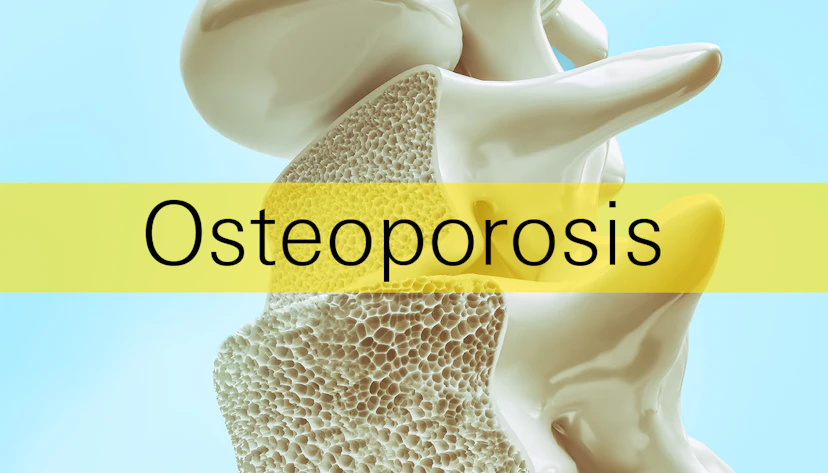
Osteoporosis—Symptoms, Diagnosis & Treatment
Your bone is a living tissue that undergoes continuous deterioration and replacement. Osteoporosis develops when the production of new bone is insufficient to counteract the loss of existing bone.
Read more