Questions? Call us at 800-810-7790

- Prenatal Care: Regular prenatal check-ups are crucial for monitoring the health of both the mother and the baby.
- Common Pregnancy Concerns: Gestational diabetes, preeclampsia, anemia, preterm labor, placenta previa, and ectopic pregnancy are some common pregnancy complications.
- Medication Safety: Certain medications, such as isotretinoin, blood pressure medications, NSAIDs, warfarin, and some antibiotics, can pose risks to the developing fetus.
- When to Seek Medical Attention: Pay attention to symptoms like vaginal bleeding, severe abdominal pain, decreased fetal movement, severe headaches, vision changes, swelling, fluid leakage, high fever, pain during urination, preterm labor symptoms, shortness of breath, persistent vomiting, intense itching, sudden weight gain, and signs of infection.







Overview
Pregnancy is the process during which a fertilized egg develops into a baby inside a woman's uterus. It typically lasts around 40 weeks, starting from the first day of the last menstrual period to the time of birth. These 40 weeks are divided into three trimesters, each representing different stages of fetal development.
- First trimester (Weeks 1–12): During the first trimester, significant changes take place as the fertilized egg implants into the uterus and begins to develop into an embryo. The major organs and body systems start forming, including the heart, brain, and spinal cord. By the end of this stage, the embryo becomes a fetus.
- Second trimester (Weeks 13–26): The second trimester is often considered the most comfortable period for many pregnant women. The fetus grows quickly, and the mother may begin to feel movements. Major developments during this time include the formation of bones, facial features, and the ability to hear. A more noticeable baby bump also begins to form.
- Third trimester (Weeks 27–40): In the final trimester, the fetus gains weight and prepares for birth. The lungs, brain, and other vital organs continue to mature. The baby moves into position for delivery, and labor begins when the body is ready for childbirth.
Pregnancy ends with labor and delivery, typically occurring around week 40, though full-term pregnancies can range from 37 to 42 weeks. Each trimester brings its own unique set of physical, emotional, and developmental changes for both mother and baby.
Symptoms
First Trimester (Weeks 1–12)
- Missed period
- Fatigue during the early weeks as the body works to support the growing embryo
- Nausea and morning sickness. Often starting around the 6th week, nausea (with or without vomiting) is common and can occur at any time of the day
- Breast changes are caused by hormonal changes, which can cause the breasts to become swollen, tender, and sensitive, with darkening of the areolas
- Frequent urination because the growing uterus puts pressure on the bladder, causing an increased need to urinat
- Mood swings that are caused by hormonal fluctuations
- Food cravings and aversions. Some women develop strong cravings for certain foods, while others may suddenly dislike foods they previously enjoyed
- Constipation and bloating that are caused by hormonal changes can slow digestion, leading to bloating and constipation
Second Trimester (Weeks 13-26)
- Less nausea: Morning sickness usually subsides by the start of the second trimester for most women.
- More energy: Many women regain energy during this phase, feeling less fatigued than in the first trimester.
- Visible baby bump.
- Back pain: As the baby grows, added pressure on the back can cause discomfort.
- Round ligament pain: Sharp or jabbing pains in the lower abdomen or hip area may occur due to the stretching of ligaments supporting the uterus.
- Breast enlargement: Breasts continue to grow as the body prepares for breastfeeding.
- Breast enlargement: Breasts continue to grow as the body prepares for breastfeeding.
- Baby movements around weeks 18–22.
- Skin changes: Hormones may cause skin changes like darkening of the skin on the face (melasma) and a dark line down the abdomen (linea nigra).
Third Trimester (Weeks 13-26)
- Shortness of breath: As the uterus grows larger, it can press against the diaphragm, causing breathing difficulties.
- Swelling (Edema) in your feet, ankles, and hands may swell due to fluid retention.
- Braxton hicks contractions: Irregular, mild contractions may occur as the body prepares for labor.
- Heartburn and indigestion: Pressure from the growing uterus can push stomach acids up into the esophagus, leading to heartburn.
- Frequent urination: The baby's position on the bladder may lead to more frequent bathroom trips.
- Difficulty sleeping due to discomfort, frequent urination, and general restlessness may make it harder to sleep in the final weeks.
- Fatigue: As the body works hard to support the baby and prepare for childbirth, fatigue may return.
- Leaky breasts: Colostrum, a thick yellowish fluid, may start leaking from the breasts as they prepare for breastfeeding.
These symptoms, while common, vary greatly from person to person, and some women may experience pregnancy with few symptoms at all, while others may have more pronounced symptoms.
Prenatal Care and Screenings
Regular check-ups and screenings during pregnancy are important for both the mother's and baby’s health. These routine visits allow your doctor to monitor the development of the fetus and detect any potential complications early. Prenatal tests help track the baby's growth, detect congenital conditions, and predict any health challenges that may arise.
First Trimester (Weeks 1–12)
The first trimester is critical for establishing a strong foundation for the pregnancy. Initial appointments usually involve confirming the pregnancy, estimating the due date, and determining how many babies the mother is carrying.
- Maternal serum (blood) tests: These include tests like the First Trimester Screening (usually between weeks 10 and 14) to assess levels of proteins and hormones (hCG). Abnormal levels could suggest a higher risk of genetic conditions.
- Ultrasound for fetal nuchal translucency (NT): This test is done between weeks 11 and 14. It measures the thickness of the fluid at the back of the baby’s neck. Increased thickness may indicate a higher risk of genetic conditions such as Down syndrome.
- Ultrasound for fetal nasal bone: Typically performed at the same time as the NT scan, this ultrasound looks for the presence of the fetal nasal bone, which, if absent, could be another indicator of chromosomal abnormalities.
- Genetic screening: Non-invasive prenatal testing (NIPT) is often offered starting around week 10. It screens for chromosomal conditions such as Down syndrome and other trisomies. Parents may also choose to undergo carrier screening to detect the likelihood of passing on inherited genetic conditions.
This time is also when the baby's due date is estimated based on the size of the fetus during the ultrasounds.
Second Trimester (Weeks 13-27)
During the second trimester, fetal development accelerates, and more detailed screenings are performed for the baby’s health. This is also when the anatomy of the baby is studied more closely.
- AFP screening (Alpha-fetoprotein test): Done between weeks 15 and 20, this blood test screens for neural tube defects such as spina bifida.
- Ultrasound (anatomy scan): Around weeks 18 to 22, a detailed ultrasound is performed to examine the baby’s organs and development. This is also the time when you can learn the sex of the baby and may provide further refinement of the due date.
- Chorionic villus sampling (CVS): Though this test is often done in the first trimester (weeks 10-13), it can still be relevant in early second-trimester pregnancies for mothers who missed the initial window. CVS tests a small sample of the placenta for genetic or chromosomal abnormalities.
Third Trimester (Weeks 28-40)
In the third trimester, the focus shifts to ensuring the baby's readiness for birth and monitoring the mother's health to anticipate any complications.
- Fetal monitoring: Toward the final weeks of pregnancy, fetal non-stress tests (NSTs) may be conducted to assess the baby's heart rate and response to movements, ensuring adequate oxygen levels.
- Glucose screening: Between weeks 24 and 28, a glucose test is administered to screen for gestational diabetes, a condition that can develop during pregnancy and affect both mother and baby if left unmanaged.
- Group B strep culture: Around weeks 35 to 37, a vaginal and rectal swab is taken to test for Group B Streptococcus. If present, antibiotics will be administered during labor to prevent passing the bacteria to the baby, which could cause serious infections.
By following the recommended tests and attending regular prenatal check-ups, both the mother and baby receive the comprehensive care needed for a healthy pregnancy and birth.
Healthy Pregnancy Guidelines
However, supporting a healthy pregnancy goes beyond regular check-ups and medical screenings. Nutrition, exercise, and lifestyle adjustments play an important role in making sure both the mother’s and the baby’s well-being.
Nutrition Tips
A balanced diet provides essential nutrients for the development of the baby and helps keep the mother energized and healthy, that's why the following is recommended:
- Eat a variety of nutrient-dense foods: Focus on eating whole grains, lean proteins, fruits, vegetables, and healthy fats. These provide vitamins, minerals, and fiber that are essential for growth and development.
- Increase folic acid intake: Folic acid is critical during pregnancy as it helps prevent neural tube defects. Aim for at least 400-600 mcg of folic acid daily, which can be found in leafy greens, fortified cereals, and prenatal vitamins.
- Prioritize iron-rich foods: Pregnancy increases the body’s need for iron to support blood volume expansion and prevent anemia. Include iron-rich foods like lean meats, spinach, and lentils, and pair them with vitamin C-rich foods (like citrus fruits) to boost iron absorption.
- Include calcium and vitamin D in your diet: These nutrients are important for the baby’s developing bones and teeth. Pregnant women should aim for 1,000 mg of calcium and adequate vitamin D daily. Sources include dairy products, fortified plant-based milks, and supplements if necessary.
- Stay hydrated: Proper hydration is important for maintaining amniotic fluid levels and overall health. Drink plenty of water throughout the day, aiming for 8-12 cups.
- Limit caffeine and avoid alcohol: Pregnant women should limit caffeine intake to 200 mg or less per day (about one 12-ounce cup of coffee). Alcohol should be avoided entirely, as it poses risks of fetal alcohol syndrome.
Lifestyle Changes
Small but significant lifestyle adjustments can help:
- Quit smoking and avoid secondhand smoke: Smoking during pregnancy increases the risk of preterm birth, low birth weight, and developmental issues. Quitting smoking and avoiding exposure to secondhand smoke is important for the baby’s health.
- Manage stress: High levels of stress can impact both the mother and the baby. Practice stress- lowering techniques such as deep breathing, meditation, or light stretching.
- Get rest: Pregnancy can be physically demanding, and getting enough rest is essential. Aim for 7-9 hours of sleep each night, and consider using pregnancy pillows to support your body in more comfortable sleeping positions, such as lying on your side.
- Limit exposure to harmful chemicals: Avoid exposure to pesticides, certain cleaning products, and personal care items that contain harmful chemicals.
Common Pregnancy Concerns
Pregnancy is typically a healthy, natural process, but it can come with certain risks and complications. Early detection and proper medical care can help manage these complications.
- Gestational Diabetes: This type of diabetes develops during pregnancy when the body cannot produce enough insulin to regulate blood sugar levels It usually appears in the second half of pregnancy. It often has no symptoms but is detected through routine checks.
- Risk factors: Overweight, family history of diabetes, or gestational diabetes in a previous pregnancy
- Potential complications: Increased risk of high birth weight, higher risk of preeclampsia, increased likelihood of developing type 2 diabetes later in life for mother and child.
- Management: Diet, insulin therapy or medication
- Preeclampsia: This is a serious condition characterized by high blood pressure and damage to organs like the kidneys or liver. It typically occurs after 20 weeks.
- Risk factors: First-time pregnancies, carrying multiples, pre-existing conditions like diabetes or kidney disease can increase the risk
- Symptoms: High blood pressure, protein in the urine, swelling in face and hands, severe headaches, vision changes, or upper abdominal pain
- Management: The only cure for preeclampsia is delivering the baby. If caught early, close monitoring and medication may help control blood pressure until a safe delivery
- Anemia: This happens when your red blood cell count is low, limiting oxygen delivery to your body and the baby. Iron-deficiency anemia is the most common type during pregnancy.
- Risk factors: Low iron or folic acid intake, multiple pregnancies, or closely spaced pregnancies can increase the risk
- Symptoms: Fatigue, weakness, pale skin and lips, shortness of breath, or dizziness
- Management: Treated with iron supplements, folic acid, and dietary adjustments. Prenatal vitamins typically contain iron, but additional supplementation may be needed
- Preterm Labor: Labor starting before 37 weeks is considered preterm.
- Risk factors: Previous preterm birth, carrying multiples, infections, or cervical/uterine issues can increase the likelihood
- Symptoms: Regular contractions, lower back pain/pelvic pressure, watery/bloody/mucus-like vaginal discharge
- Management: If detected, medication may help delay delivery and develop the baby's lungs. Bed rest and increased monitoring may also be recommended
- Placenta Previa: This occurs when the placenta partially or completely covers the cervix, potentially causing bleeding during pregnancy or delivery.
- Risk factors: Previous C-sections, multiple pregnancies, or a history of placenta previa increase the risk
- Symptoms: Bright red vaginal bleeding without pain during the second or third trimester
- Management: Bed rest, pelvic rest, and regular monitoring are recommended. Cesarean delivery may be necessary if the placenta remains over the cervix or in case of heavy bleedingd
- Ectopic Pregnancy:This happens when a fertilized egg implants outside the uterus, most commonly in the fallopian tube.
- Risk factors: Previous ectopic pregnancies, infections, or surgery on the fallopian tubes increase the risk
- Symptoms: Sharp abdominal or pelvic pain, vaginal bleeding, dizziness, or fainting
- Management: An ectopic pregnancy cannot be carried to term. Medication or surgery is needed to remove the ectopic tissue and prevent complications
Medications to Avoid
During pregnancy, it’s important to be cautious about which medications are used, as certain drugs can pose risks to the developing baby. Some medications have been linked to birth defects, pregnancy complications, or other adverse outcomes.
- Isotretinoin (Accutane): Used to treat severe acne, isotretinoin is known to cause severe birth defects, including developmental abnormalities in the brain, heart, and face. Women who are pregnant or planning to become pregnant must avoid this medication and any related products (such as tretinoin creams) due to the high risk of teratogenic effects.
- Blood Pressure Medications (ACE Inhibitors and ARBs) These medications can lead to serious complications, especially in the second and third trimesters.
- Non-steroidal Anti-Inflammatory Drugs (NSAIDs): While acetaminophen (Tylenol) is generally safe, NSAIDs like ibuprofen and naproxen should be avoided, particularly in the third trimester. These medications can interfere with fetal heart development and increase the risk of premature closure of a vital blood vessel, as well as complications during labor.
- Warfarin (Coumadin): LThis blood thinner can cause serious birth defects, especially during the first trimester. It may lead to skeletal abnormalities and developmental delays. If a pregnant woman requires blood thinners, her healthcare provider will likely recommend switching to safer alternatives.
- Certain Antibiotics: Doxycycline can cause discoloration of the baby’s teeth and affect bone growth. Quinolone antibiotics, such as ciprofloxacin, are also linked to musculoskeletal abnormalities in the developing fetus.
- Antiepileptics (Phenytoin): Some medications used to treat seizures or mood disorders, such as valproate, can increase the risk of birth defects, including spina bifida and developmental delays.
Always speak with your obstetrician before taking any medications, whether prescription, OTC, or herbal supplements, to make sure they are safe during pregnancy. Many medications that are considered routine or harmless outside of pregnancy can have significant effects on fetal development, and your doctor can suggest safer alternatives if necessary.
When to Contact Your Doctor
During pregnancy, it’s important to monitor your body for any signs or symptoms that could indicate a problem. While many changes are normal, some require immediate medical attention.
Immediate Medical Attention
- Vaginal Bleeding: Heavy bleeding, clots, or bleeding with pain can signal serious issues like miscarriage, ectopic pregnancy, or placental problems.
- Severe Abdominal Pain or Cramps: Severe or persistent pain, especially with bleeding or dizziness, could indicate miscarriage, ectopic pregnancy, or preterm labor.
- Decreased Fetal Movement: A significant decrease in fetal movement can be a sign of fetal distress.
- Severe Headaches, Vision Changes, or Swelling: These symptoms could be signs of preeclampsia.
- Fluid Leaking or Gush of Water: This could indicate ruptured membranes, especially if it occurs before 37 weeks.
- High Fever: A high fever that's not relieved by medication or accompanied by other symptoms could signal an infection.
- Severe Leg Pain or Swelling: This could be a sign of a blood clot.
Consult Your Doctor
- Pain or Burning During Urination: This might indicate a urinary tract infection.
- Preterm Labor Symptoms: Regular contractions, lower back pain, pelvic pressure, or changes in vaginal discharge could be signs of preterm labor.
- Shortness of Breath or Chest Pain: Sudden, severe shortness of breath or chest pain could indicate a serious issue.
- Persistent Vomiting: Severe or persistent vomiting can lead to dehydration or malnutrition.
- Intense Itching: Severe itching, especially on the hands and feet, might be a sign of a liver condition.
- Sudden or Rapid Weight Gain: This could be a sign of preeclampsia, especially when accompanied by swelling, headaches, or visual disturbances.
- Signs of Infection: Redness, swelling, or pain, along with fever or chills, could indicate an infection.
Remember, it's always better to be safe than sorry. If you have any concerns, no matter how small, don't hesitate to contact your healthcare provider. They can provide the necessary guidance and care to ensure a healthy pregnancy.
Related Topics
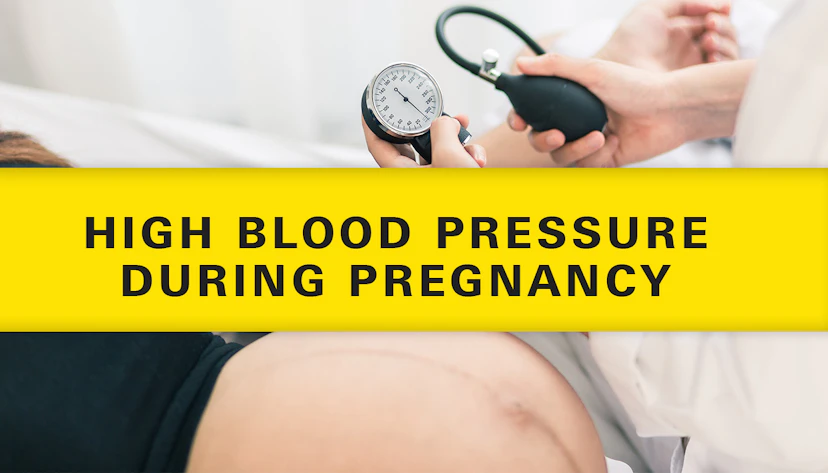
High Blood Pressure During Pregnancy
One of the main concerns with high blood pressure during pregnancy is the development of preeclampsia. This is a condition unique to pregnancy that affects multiple organs in the body.
Read more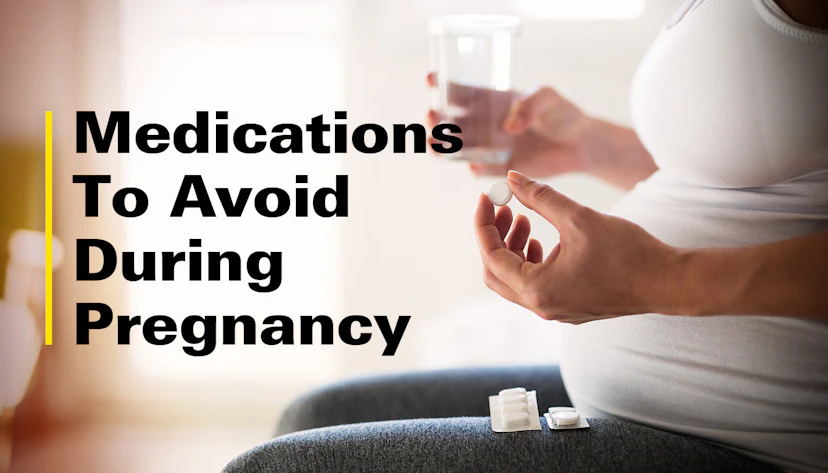
Pregnancy and Prescription Medications
During pregnancy, ensuring the health and safety of both the mother and the developing fetus is crucial. This includes being cautious about the use of prescription medications. Some medications can affect fetal development and may lead to birth defects, preterm birth, or other complications.
Read more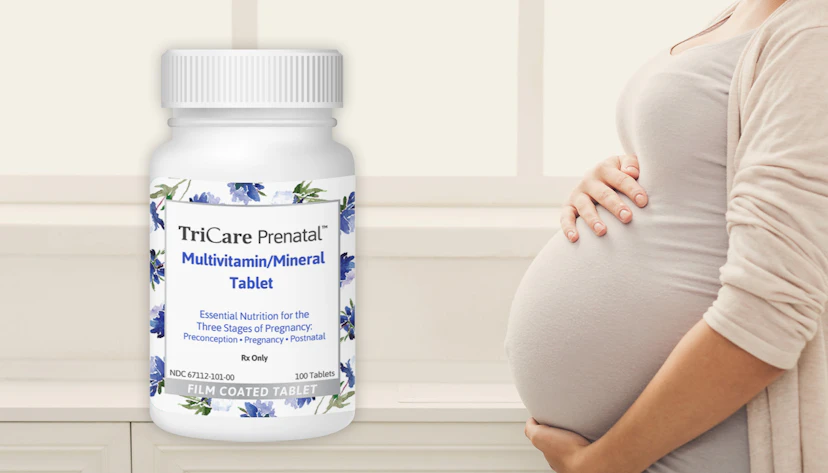
TriCare Prenatal Multi Vitamin/Mineral Tablets: Supporting Both Mom and Baby
TriCare prenatal multi/mineral film-coated tablets are prescription prenatal vitamins created to support the nutritional needs of pregnant women.
Read more