Questions? Call us at 800-810-7790


Your Ultimate Guide to OTC Stomach Relief: What to Pack Before the Big Feast
The holiday season is here; celebrations, family gatherings, and plenty of indulgent meals. From festive dinners to sweet treats, this time of year is a joy for your taste buds but can be tough on your digestive system. Heartburn, bloating, indigestion, and even nausea can sneak up after those big holiday spreads.
Before you dive into the celebrations, make sure your medicine cabinet or travel bag is stocked with the right over-the-counter (OTC) remedies. We've broken down the most popular OTC products—Tums, Rolaids, Pepcid, Prilosec, Gaviscon, Gas-X, and Pepto-Bismol—to help you select the right one fast.
How Each Product Works and What It’s Good For
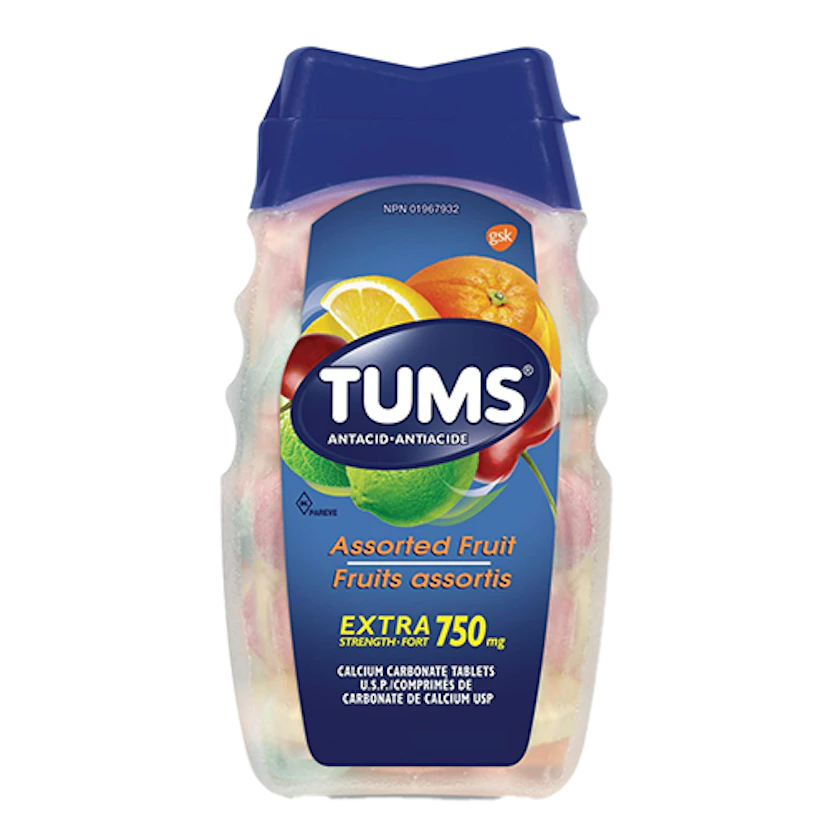
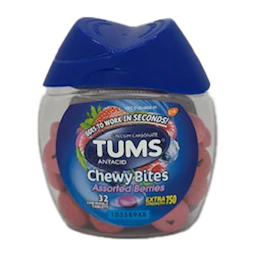
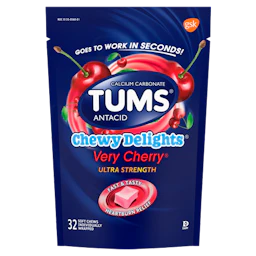
Tums (Calcium Carbonate)
- How it works: Tums is an antacid that neutralizes existing stomach acid for rapid relief of heartburn, sour stomach, and acid indigestion.
- How fast: Works within minutes. Relief lasts up to 2 hours
- Best for: Occasional heartburn, acid indigestion, and mild upset stomach after heavy meals. Great for on-the-spot relief.
- Good to know: Safe during pregnancy; avoid overuse to prevent constipation.
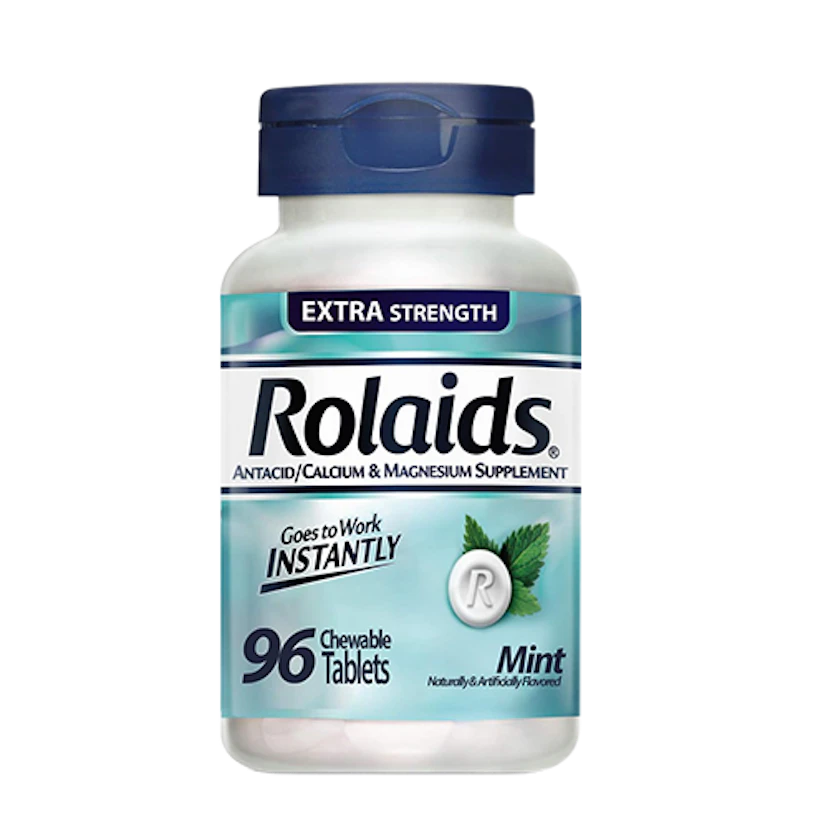
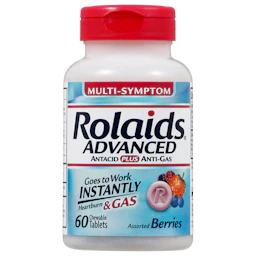
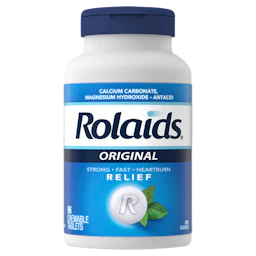
Rolaids (Calcium Carbonate + Magnesium Hydroxide)
- How it works: Similar to Tums, it neutralizeds stomach acid fast. But adds magnesium that can offset constipation caused by calcium.
- How fast: Fast relief, within minutes.
- Best for: Heartburn and acid indigestion, especially for those who want an antacid without as much constipation risk.
- Good to know: May cause mild diarrhea if overused.
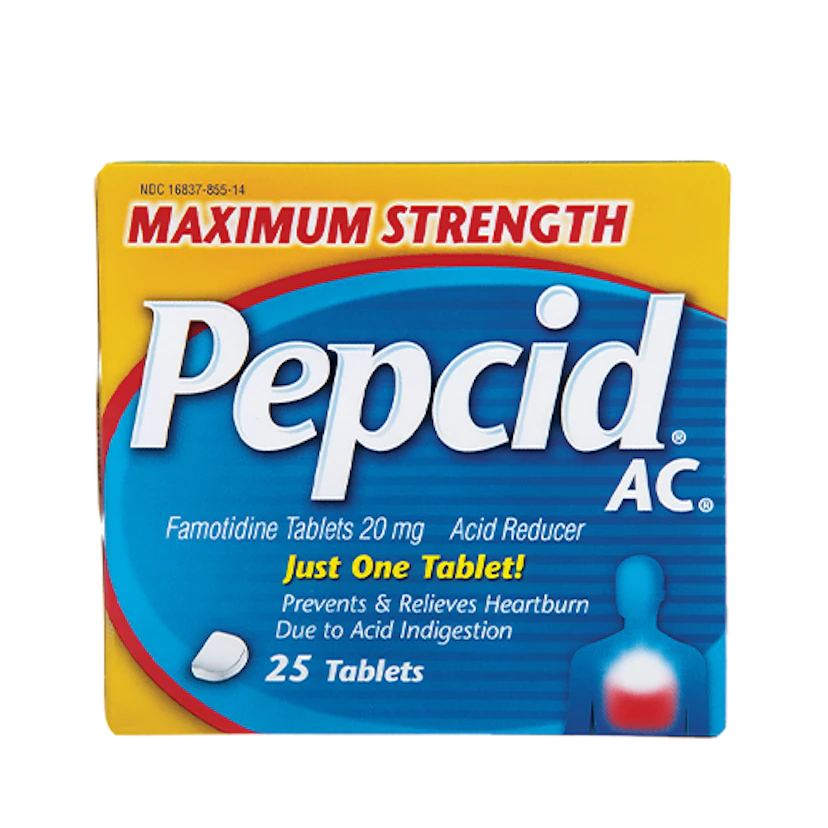
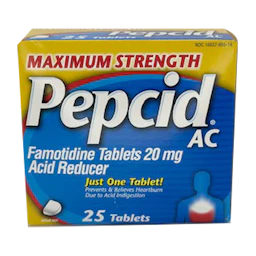
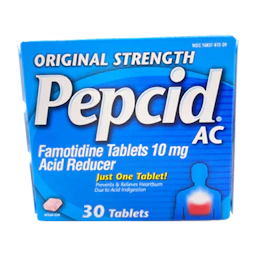
Pepcid (Famotidine)
- How it works: An H2 blocker that reduces acid production in the stomach.
- How fast: Relief within minutes. Lasts up to 12 hours.
- Best for: Heartburn prevention. Take 30-60 minutes before that big meal if you know you’re prone to reflux.
- Good to know: Slower than Tums but longer-lasting. Great for overnight relief, and for those wanting prevention. Not ideal for immediate, severe symptoms.
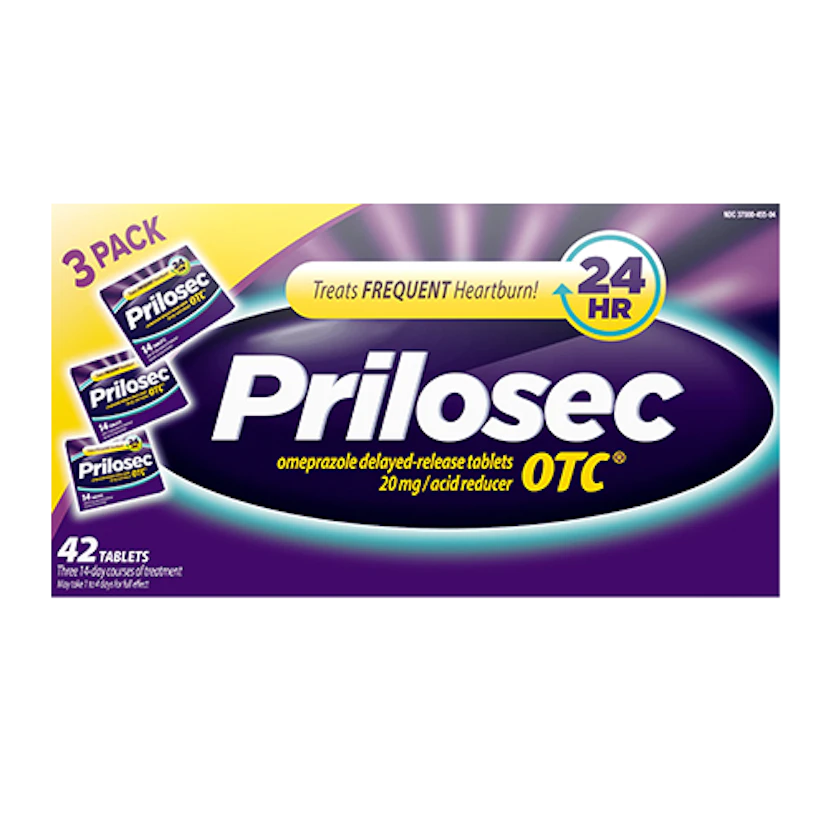
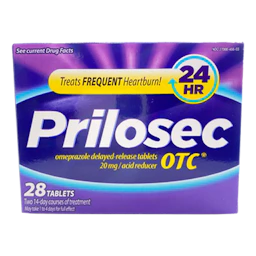
Prilosec (Omeprazole)
- How it works: A proton pump inhibitor (PPI) that blocks acid production at the source, reducing overall stomach acid.
- How fast: Takes 1–4 days for full effect. Relief lasts days if used correctly.
- Best for: Frequent heartburn (2+ times per week), not for immediate relief.
- Good to know: Not for instant relief—think prevention and long-term control. Use for a 14-day course every 4 months, as needed. Long-term use can cause low magnesium, bone problems, and drug interactions.
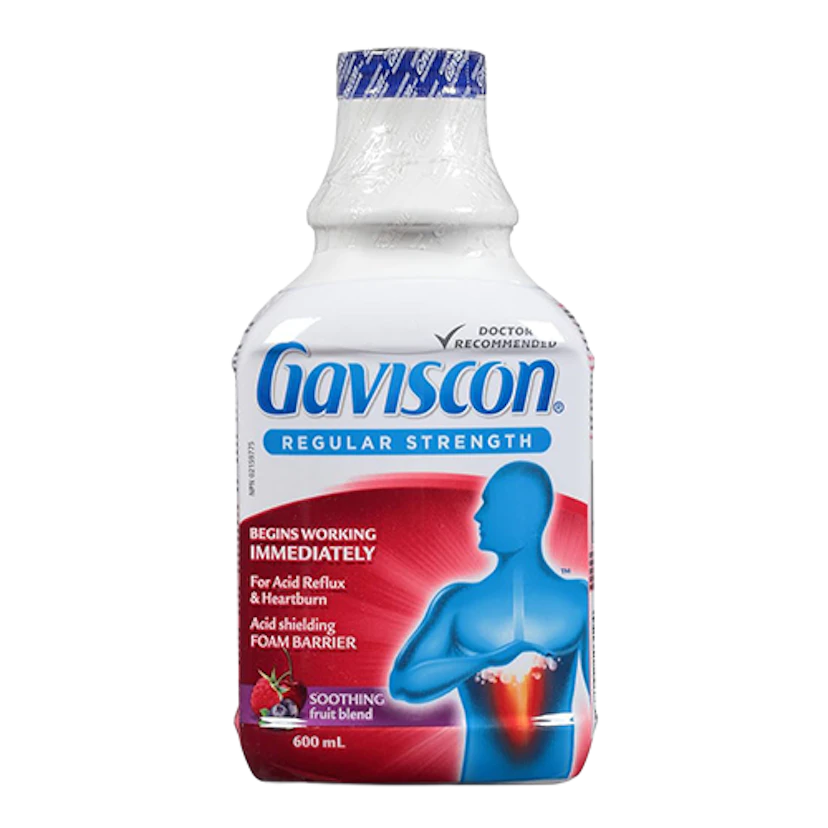
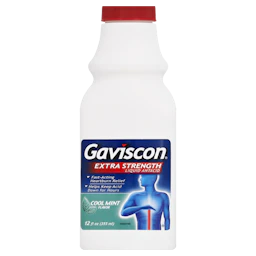
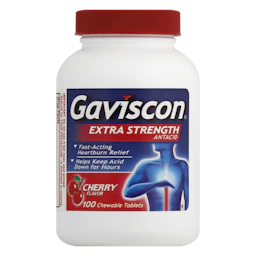
Gaviscon
- How it works: Neutralizes stomach acid, plus creates a foam “raft” to prevent acid from rising into the esophagus.
- How fast: Relief in minutes, lasts up to 4 hours.
- Best for: Heartburn and reflux—especially when you feel acid coming up. Particularly suited for regurgitation symptoms.
- Good to know: Liquid versions work faster than tablets. Not recommended for people on low-sodium diets, pregnant individuals, or those with kidney disease. Check sodium content.
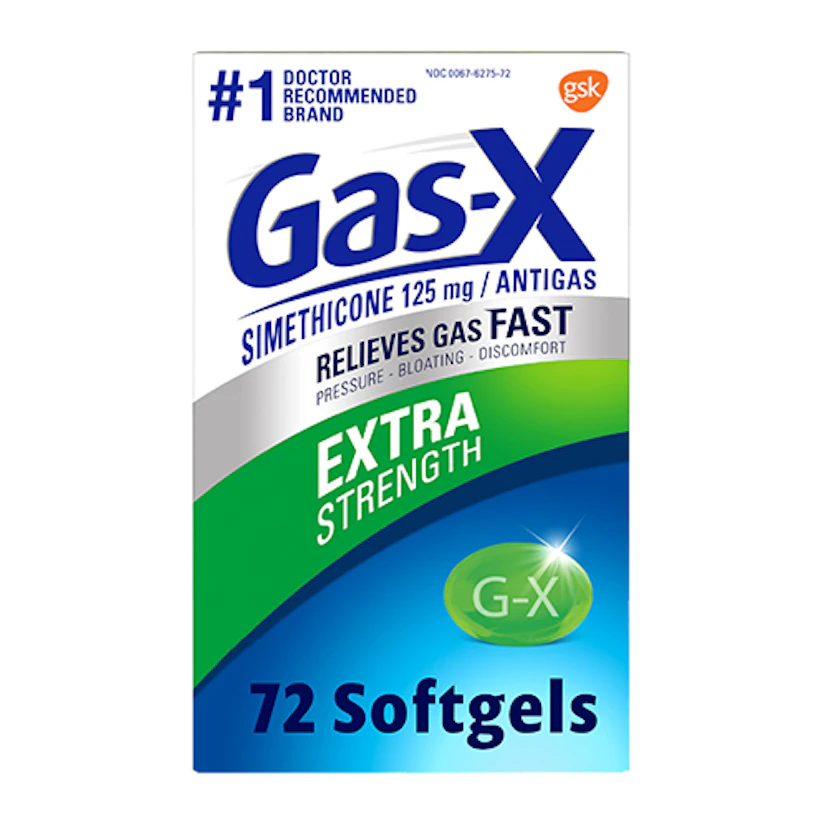
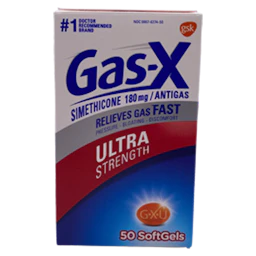
Gas-X (Simethicone)
- How it works: Breaks up gas bubbles in your stomach and intestines to relieve bloating and discomfort from excessive gas.
- How fast: Quick relief within minutes.
- Best for: Bloating, gas pain, and that “too-full” feeling after dinner.
- Good to know: Doesn’t prevent gas—just relieves discomfort. Well-tolerated; not for heartburn or acid indigestion.
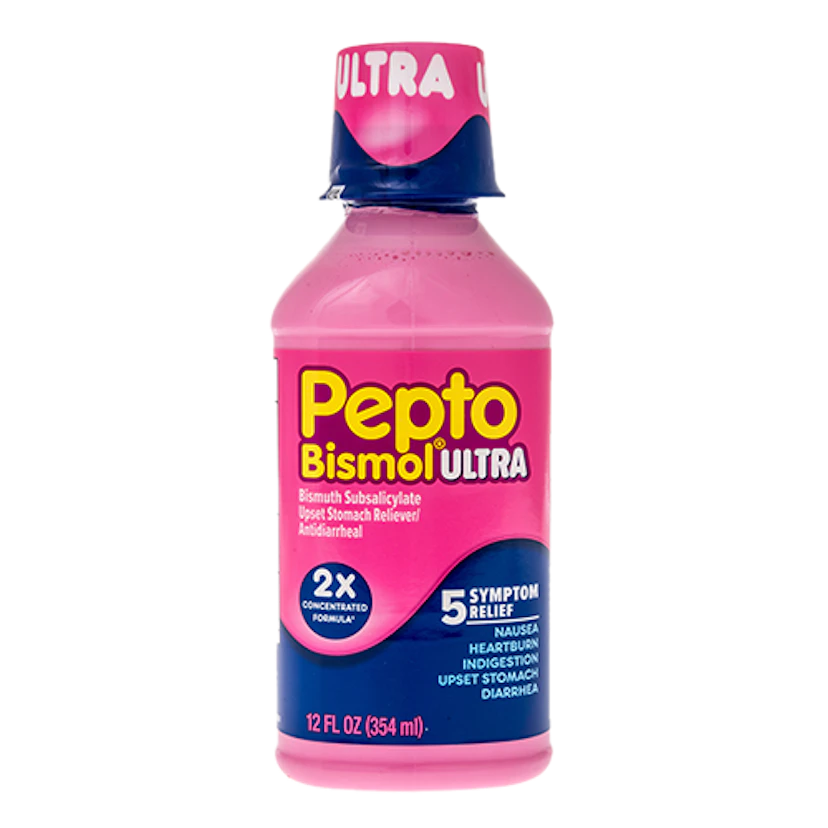
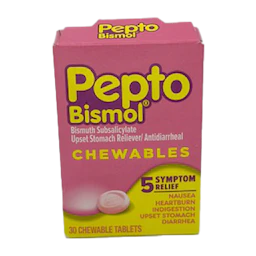
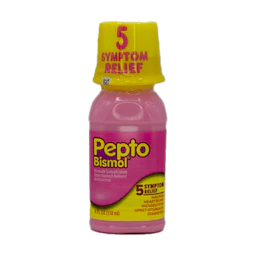
Pepto-Bismol (Bismuth Subsalicylate)
- How it works: Coats the stomach lining and reduces inflammation.
- How fast: Relief within 30–60 minutes.
- Best for: Nausea, diarrhea, heartburn, and general upset stomach.
- Good to know: Queasiness, diarrhea, and general stomachache—not for classic heartburn or gas. Can turn your tongue and stool black (harmless). Avoid in kids under 12.
Quick Symptom Guide: What to Take for What
| Symptoms | Best Options |
|---|---|
| Heartburn (fast relief) | Tums, Rolaids, Gaviscon |
| Heartburn (long relief) | Pepcid (12 hrs), Prilosec (daily) |
| Frequent Heartburn | Prilosec (start before holiday) |
| Indigestion | Gaviscon, Tums, Rolaids |
| Gas & Bloating | Gas-X |
| Nausea | Pepto-Bismol |
| Diarrhea | Pepto-Bismol |
Holiday Travel and Prep Tips
If you know your holiday meal is going to include trigger foods (like coffee, chocolate, or a rich, fatty holiday ham), consider taking Pepcid (H2-blocker) about an hour before you eat to preemptively suppress acid production. Keep Tums/Rolaids (Antacids) on hand for any breakthrough symptoms.
Don’t lie down right after eating. Give your stomach time to digest.
Pack a mini kit if you are traveling. Tums for quick relief, Gas-X for bloating, Pepto for emergencies.
If you suffer from frequent heartburn, stick to your Prilosec (PPI) regimen, even during the holidays. Never chew or crush PPI capsules; swallow them whole.
Safety Tips for Mix-and-Match Dosing
- Don’t double up without guidance: Avoid taking multiple antacids at the same time, as this can raise risks for side effects and drug interactions.
- Time your doses: Take any antacid at least 1 hour before or 4 hours after other medications to avoid interference with absorption.
- Short-term only: None of these products are recommended for continuous use beyond their stated guidelines (usually 2 weeks for antacids, 3 months for Pepcid, 14 days per 4 months for Prilosec).
- Special cases: Pregnant individuals, people with kidney disease, or those on restricted sodium/calcium diets should check with their provider before using antacids or Gaviscon.
Related Topics
Managing Acid Reflux: Omeprazole vs. Pantoprazole
As the food you just ingested reaches your stomach, your LES fails to seal properly, causing acid reflux. Acid backwash then travels up your esophagus, through your throat, and into your mouth, leaving you with a sour taste.
Read about GERD
Lifestyle Tips for GERD
The easiest way to reduce symptoms of GERD is to change your eating habits. Three of the main risk factors involve food and eating, so altering this can greatly change the frequency and intensity of GERD exacerbations.
Read about Lifestyle Tips for GERD
PPIs: Are the Long-Term Risks Worth It?
Even though these medications are incredibly effective and important, like most medications, they have some risks.
Read about Risks of long-term use of PPIs