

Breaking Down the 2025 AACE Dyslipidemia Guidelines: What You Should Know
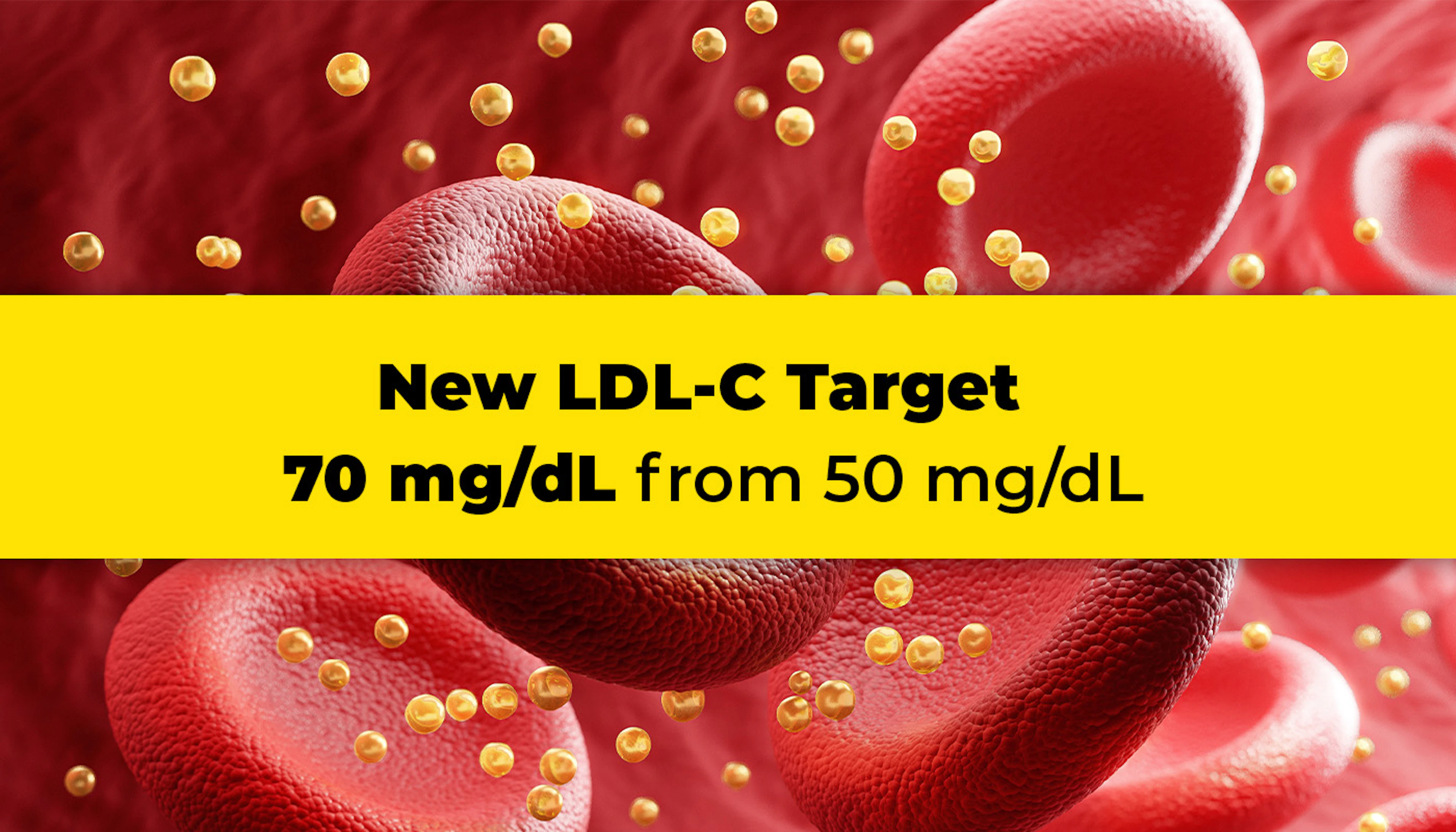
- New guidelines in 2025 recommend a slightly higher LDL target of under 70 mg/dL for adults with heart disease or high risk.
- This is a change from the previous stricter target of under 55 mg/dL.
- The adjustment reflects evidence that pushing LDL-C too low doesn't consistently improve outcomes.
- Concerns about medication costs, access, and potential side effects also contributed to the updated guideline.
- The new approach emphasizes a personalized target, determined collaboratively between patients and doctors.
- While lowering cholesterol remains important, a very low LDL-C level is not necessarily the goal for all individuals.
Heart disease remains the number one cause of death in the United States. In 2021 alone, it claimed nearly 700,000 lives.
A major contributor to heart disease is a condition called atherosclerotic cardiovascular disease (ASCVD). This happens when plaque builds up inside your arteries, increasing your risk of serious problems like heart attacks and strokes.
Doctors often focus on managing cholesterol levels to reduce this risk. In 2025, the American Association of Clinical Endocrinology (AACE) released updated advice on how to manage cholesterol. One of the biggest changes involves the target level for LDL-C ("bad" cholesterol). This is especially important for adults who already have ASCVD or are at higher risk of developing it.
What's the New Advice?
Previously, in 2017, the AACE recommended that adults at very high risk of ASCVD should aim to lower their LDL-C to below 55 mg/dL.
Now, the new 2025 guidelines suggest a slightly higher target of under 70 mg/dL.
Why the Change in the Target?
The earlier recommendation (LDL-C below 55 mg/dL) was largely based on a single study called IMPROVE-IT. This study involved over 18,000 people who had recently experienced heart problems. It looked at whether adding a second medication (ezetimibe) to a statin (simvastatin) provided more benefit than just the statin alone.
The study did show a small decrease in some cardiovascular events, mainly non-fatal heart attacks and strokes (major adverse cardiovascular events or MACE).
However, the lower LDL-C target did not lead to a reduction in deaths or other serious heart-related outcomes. While the difference seen in the study was statistically real, its impact on patients' overall health was considered small.
Since then, researchers have conducted broader analyses looking at the effects of very low LDL-C levels.
- One large review (a meta-analysis by Khan et al.) combined data from multiple studies. It found no significant improvement in survival or major heart events for patients who achieved LDL-C levels below 55 mg/dL compared to those with levels closer to 70 mg/dL.
- Another review in 2019 (by Guedeney et al.) focused on patients taking PCSK9 inhibitors (injectable cholesterol drugs). This review found that patients who lowered their LDL-C to 50 mg/dL or lower did not have a meaningful reduction in heart attacks, strokes, or deaths compared to those with slightly higher LDL-C levels.
Importantly, most of these patients already had ASCVD and were taking statins. Even with very low LDL-C, the extra benefit in preventing serious health problems was minimal.
Based on these more recent findings, the AACE experts re-evaluated their previous advice. They concluded that while pushing LDL-C below 70 mg/dL can certainly lower cholesterol further, it doesn't consistently translate to better protection against life-threatening heart events.
Concerns About Very Low Cholesterol Targets: Medications, Cost, and Access
Lowering LDL-C to under 55 mg/dL often requires more than one medication, including newer drugs that can be expensive or harder to access. Some patients may experience side effects, require more frequent lab monitoring, or need additional visits to manage complex regimens. This can place a burden on both patients and the healthcare system.
In many cases, the benefit of going far below 70 mg/dL does not outweigh the added effort, cost, or risk, especially if the improvement in health outcomes is small or unclear.
The task force also considered the equity implications of setting aggressive targets. Many of the studies that initially suggested the need for very low LDL-C levels mainly included older, White, male participants.
Other groups, such as women, younger adults, Black or African American patients, or those with high blood pressure, were often not well-represented in these studies. Real-world information has already shown that some of these groups are less likely to reach very low LDL-C levels, even when they are prescribed treatments.
This raises important questions about whether aiming for very aggressive LDL-C targets is practical or fair for all people, considering the potential difficulties in access, cost, and the limited evidence of significant benefit in diverse populations.
A More Personalized Target
Based on updated evidence and these concerns, the 2025 AACE guideline recommends a treatment target of under 70 mg/dL for adults with ASCVD or those who are considered high-risk.
This recommendation is considered "conditional," meaning that while the evidence isn't absolute, it suggests that the benefits likely outweigh the risks when patients and their doctors work together to create a treatment plan that fits the individual.
The aim here isn't to stop lowering cholesterol. Instead, it's about making sure the way we approach it is practical, safe, and customized to each person's unique health situation and needs.
What Should You Do If You Have ASCVD?
If your doctor previously told you to aim for an LDL-C level below 55 mg/dL, they might now suggest a target of under 70 mg/dL instead. It's important to understand that this doesn't mean cholesterol is no longer a concern—it absolutely still is. However, for most patients, the greatest benefit in reducing heart risks is typically seen once LDL-C is below 70 mg/dL, and pushing it significantly lower may not lead to better health outcomes.
That being said, every person is different. Some individuals might still benefit from aiming for even lower LDL, especially if they tolerate the necessary treatments well and have access to the required medications.
Others may do very well by maintaining their LDL around 70 mg/dL with a simpler plan. In either case, this new guidance provides a good opportunity for you to discuss your cholesterol goals with your doctor and ensure they still make sense for your health and lifestyle.
References:
- Patel SB, Wyne KL, Afreen S, et al. American Association of Clinical Endocrinology Clinical Practice Guideline on Pharmacologic Management of Adults With Dyslipidemia. Endocr Pract. 2025;31(2):236-262. doi:10.1016/j.eprac.2024.12.001

