

Can Diabetes Increase Glaucoma Risk?
- People with diabetes are twice as likely to develop open-angle glaucoma compared to those without.
- Glaucoma usually has no pain or early symptoms; vision loss often starts at the edges and goes unnoticed.
- High blood sugar causes inflammation and eye pressure that slowly damages the optic nerve.
- Regular eye exams are the only way to catch damage early enough to save your sight.
Diabetes and glaucoma are not often talked about in the same conversation. Yet long‑term studies have repeatedly found that people with diabetes have a higher chance of developing glaucoma over time. This comes from large studies tracking eye health in thousands of patients.
This link can be easy to miss because glaucoma develops slowly and quietly—often without pain or noticeable symptoms.
What is Glaucoma?
Glaucoma is a condition that damages the optic nerve, the “information cable” that sends visual signals from your eye to your brain.
How glaucoma affects vision
- Slow, subtle changes — Side (peripheral) vision often narrows first.
- No early warning signs — Many people feel completely normal for years.
- Optic nerve damage is permanent — Lost vision usually can’t be restored.
- Often found during routine exams, not because symptoms are obvious.
The Link Between Diabetes and Glaucoma
Studies show diabetes raises the risk of glaucoma. A 2017 meta-analysis of cohort studies found people with diabetes have a higher chance of primary open-angle glaucoma (POAG), the most common type. This pattern holds in recent research too.
Recent updates:
- A 2026 study from the UK Biobank followed over 24,000 people with diabetes. It confirmed the higher risk.
- Another 2026 analysis linked diabetic retinopathy to higher risks of high eye pressure and POAG.
- Metabolic factors like obesity increase glaucoma risk by 60%, per a 2026 meta-analysis.
Diabetes doesn't always cause glaucoma, but the two show up together more often than expected.
Why the Connection?
Diabetes can affect your eyes in ways that lead to glaucoma.
- Blood vessel damage: Diabetes affects the tiny blood vessels throughout your body. In the eye, high blood sugar can weaken the vessels that nourish the retina. When these vessels are damaged, the eye becomes more vulnerable to nerve damage.
- Oxidative stress & inflammation: High blood sugar leads to "oxidative stress", a type of biological wear-and-tear. This causes chronic inflammation that can damage the cells responsible for draining fluid from the eye. When fluid can't drain, pressure rises.
- Higher eye pressure: Data shows that people with diabetes frequently have higher internal eye pressure (intraocular pressure). While high pressure isn't glaucoma by itself, it is the leading "stress test" for the optic nerve.
Types of Glaucoma Linked to Diabetes
There are two main ways diabetes interacts with glaucoma:
- Primary open‑angle glaucoma (POAG): The most common form. It develops very slowly over years as the eye’s drainage system becomes less efficient.
- Neovascular glaucoma: A more severe, faster-moving form. In advanced diabetes, the eye may grow "new" abnormal blood vessels that block the drainage channels entirely.
Glaucoma Screening for Diabetic Patients
Because glaucoma is silent early on, regular eye exams matter even when your vision feels normal.
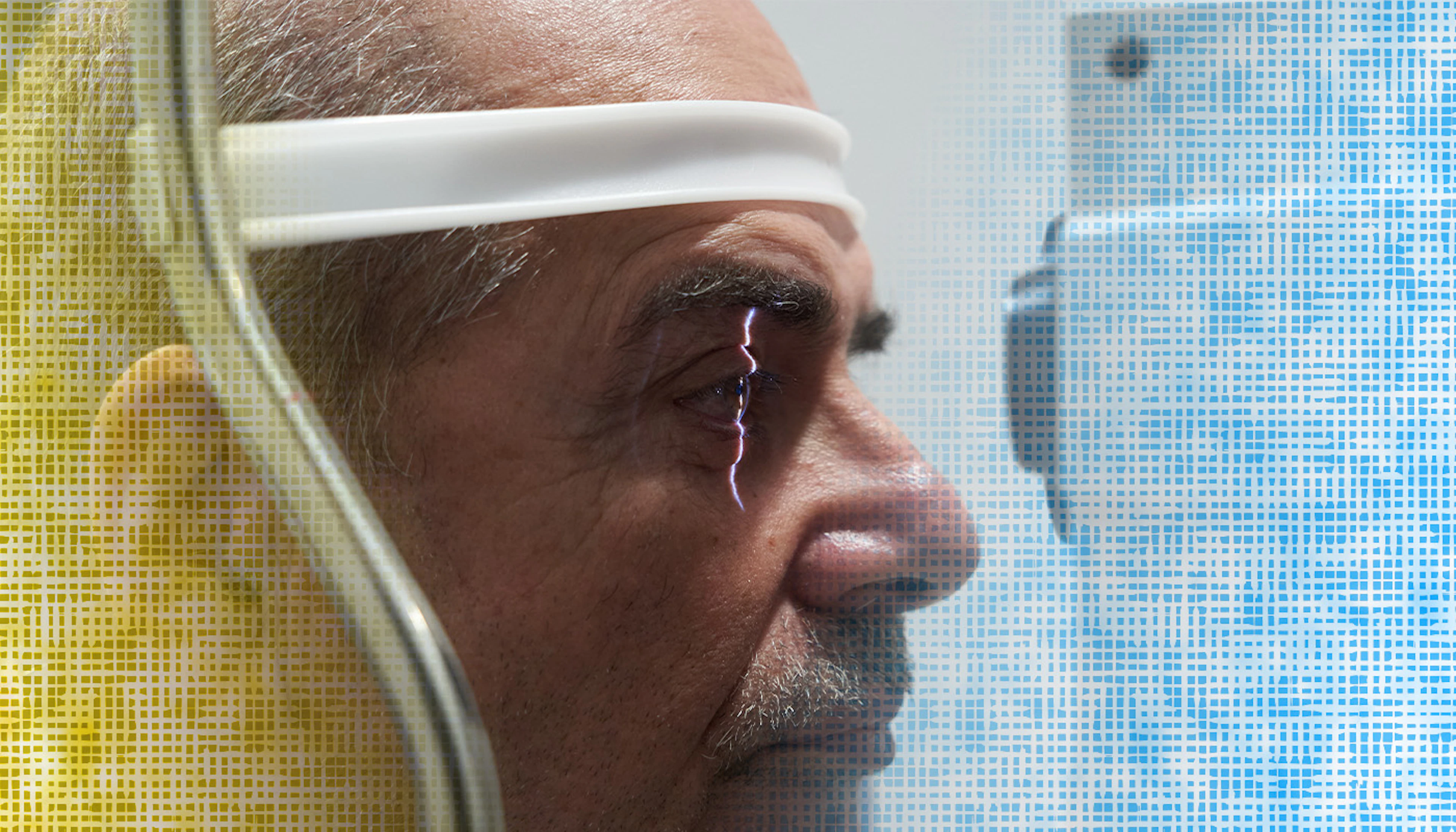
During an eye exam, your doctor checks:
- Eye pressure (IOP)
- Optic nerve health
- Subtle changes over time using imaging equipment
People with diabetes benefit from annual, sometimes more frequent, eye exams. This is often when glaucoma is first found.
Talk to Your Doctor
If you have diabetes, eye care is not a onetime conversation. It comes up again and again, often without any symptoms pushing it forward.
An ophthalmologist or optometrist reviews things you cannot see yourself. Eye pressure. The optic nerve. Small changes over time. These details matter even when vision feels the same day to day.