

How Exercise and Food Choices Support Heart Health
- Balance Your Fats: Replace saturated fats (butter, fatty meats) and trans fats with unsaturated fats (nuts, fish, avocado) to actively lower LDL cholesterol levels.
- Boost "Good" Cholesterol: Regular aerobic exercise—like brisk walking or swimming—is one of the most effective ways to raise HDL, the "good" cholesterol that clears arteries.
- Consistency Over Intensity: Moderate, daily movement impacts your lipid profile more significantly than occasional, high-intensity workouts.
- Reduce Mortality Risk: Since nearly 24% of cardiovascular deaths are linked to high LDL, combining heart-healthy eating with frequent activity is a powerful tool for longevity.
Managing your heart health is a lifelong journey driven by two controllable factors: what you eat and how you move. These elements work in tandem to regulate your lipid metabolism, the way your body processes fats, and protect the structural integrity of your blood vessels.
Why Your Choices Matter
Your heart is a muscle that becomes more efficient with regular "training." While physical activity supports blood flow and reduces strain on the heart, your diet acts as the chemical foundation.
Research shows that nearly 24% of cardiovascular-related deaths are linked to elevated LDL-C levels. This means nearly 1 in 4 heart-related deaths are connected to long-term exposure to high cholesterol, a factor you can influence.
Why Food Matters for Cholesterol and Heart Health
Food choices directly influence cholesterol behavior in the body. Over time, eating patterns rich in fruits, vegetables, whole grains, lean proteins, and healthy fats support lower LDL cholesterol and healthier blood vessels. In contrast, eating mostly saturated fats, added sugars, and refined carbohydrates can raise LDL cholesterol and increase plaque buildup.
How Food Choices Can Lower LDL Cholesterol
One of the biggest drivers of LDL change is the type of fat that appears regularly in your diet. Consistent choices over weeks and months lead to measurable shifts in your blood profile.
Saturated Fats (The "Limit" Category)
Commonly found in animal products and certain plant oils. Regularly eating them is linked to higher LDL.
Common sources:
- Butter, ghee
- Cheese
- Whole milk, cream, and ice cream
- Fatty red meats
- Processed meats (bacon, sausage, hot dogs)
- Baked goods made with butter
- Coconut and palm oils
The American Heart Association recommends limiting saturated fats to no more than 6% of total daily calories. That’s about 13 grams per day for someone eating 2,000 calories.
Trans Fats (The "Avoid" Category)
Trans fats are the most harmful type for heart health. They raise LDL-C and lower HDL-C, creating a double negative effect.
Common sources:
- Packaged baked goods
- Fried foods
- Foods made with partially hydrogenated oils
- Microwave popcorn
- Non‑dairy creamers
- Margarine
- Refrigerated dough products
Even though many manufacturers have reduced trans fats in recent years, small amounts can still appear in processed foods. Avoiding trans fats completely is best for heart health.
Unsaturated Fats (The "Healthy" Category)
These are the heart-friendly fats. Replacing saturated or trans fats with unsaturated ones helps lower LDL and improve your overall cholesterol profile.
Common sources:
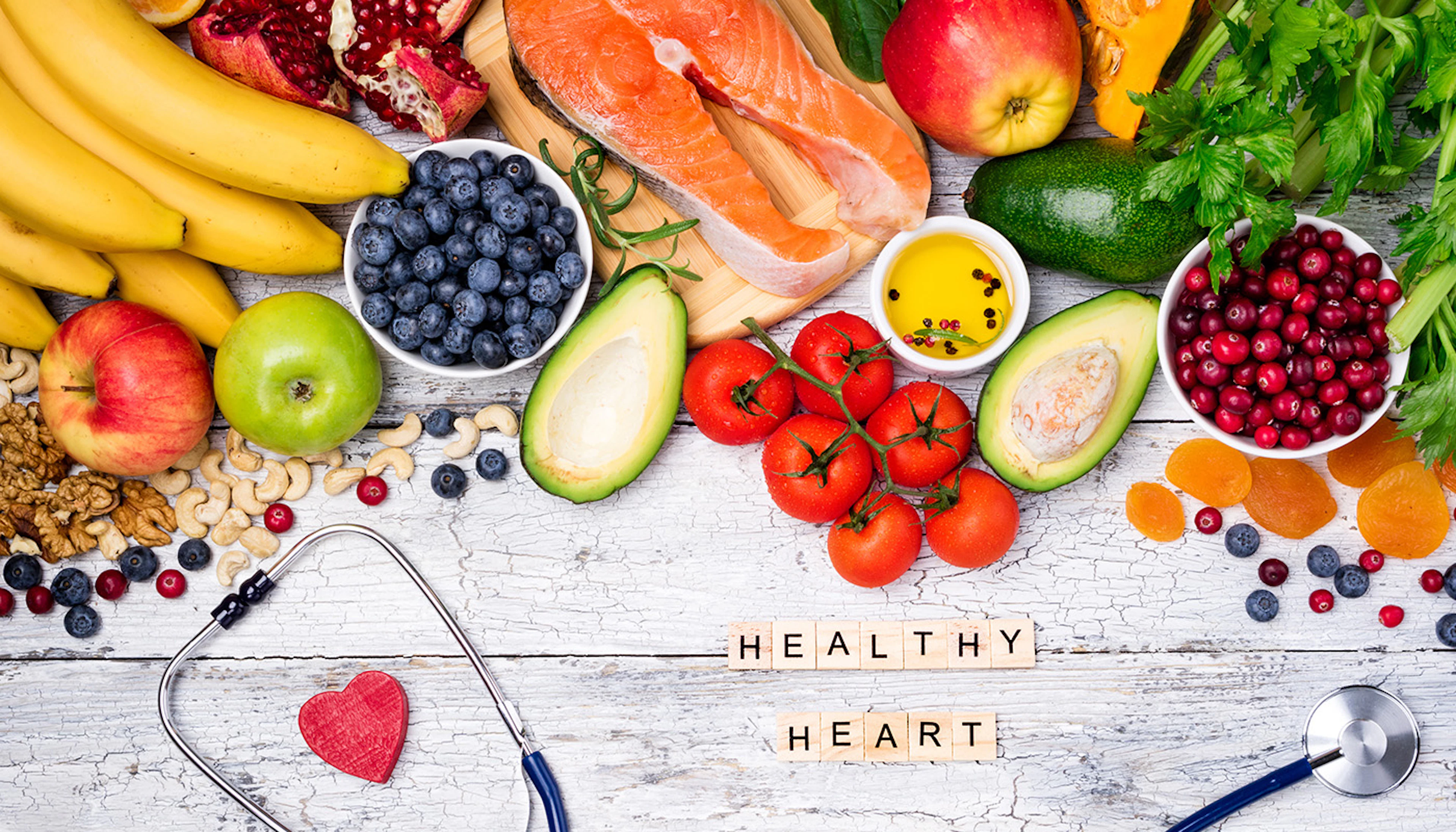
- Avocados
- Nuts and seeds (chia, sesame, flax)
- Olive, canola, and soybean oils
- Fatty fish (salmon, trout, sardines)
Replacing harmful fats with these healthier choices leads to gradual, meaningful improvements in LDL cholesterol.
| Saturated Fats (Limit) |
|---|
|
| Trans Fats (Avoid) |
|
| Unsaturated Fats (Healthy) |
|
The key is substitution, not elimination. For example, using olive oil instead of butter or choosing grilled fish instead of processed meats can steadily improve cholesterol over time.
How Physical Activity Affects LDL Cholesterol
Moving your body changes how cholesterol is handled inside your bloodstream. While food manages what enters your system, exercise manages how your body clears it out.
Movement increases enzymes that help transport LDL from the bloodstream to the liver, where it’s broken down. Over time, this helps reduce LDL levels while increasing HDL.
The HDL-C Boost
One of the most consistent findings across studies is that physically active people have higher HDL cholesterol compared to those who are largely sedentary. Exercise also helps lower triglycerides, another type of blood fat linked with arterial plaque buildup.
Aerobic Exercise Has the Biggest Impact
- Brisk walking
- Jogging
- Cycling
- Swimming
- Rowing
- Dancing
These movements keep your heart rate elevated for extended periods, encouraging your muscles to use fat as energy and supporting better lipid metabolism.
Consistency Over Intensity
You don’t need extreme workouts to see results. Regular, moderate exercise, like 30 minutes of brisk walking most days, produces more consistent cholesterol benefits than occasional intense sessions. As activity becomes a part of your daily routine, circulation improves, the heart pumps more efficiently, and cholesterol patterns shift in a healthier direction.
Putting It All Together
Heart health thrives on balance. Choosing unsaturated fats over saturated ones, eating more fiber-rich plant foods, and keeping up with regular aerobic activity all reinforce one another. These small, everyday habits strengthen your heart, improve cholesterol, and reduce inflammation.

