


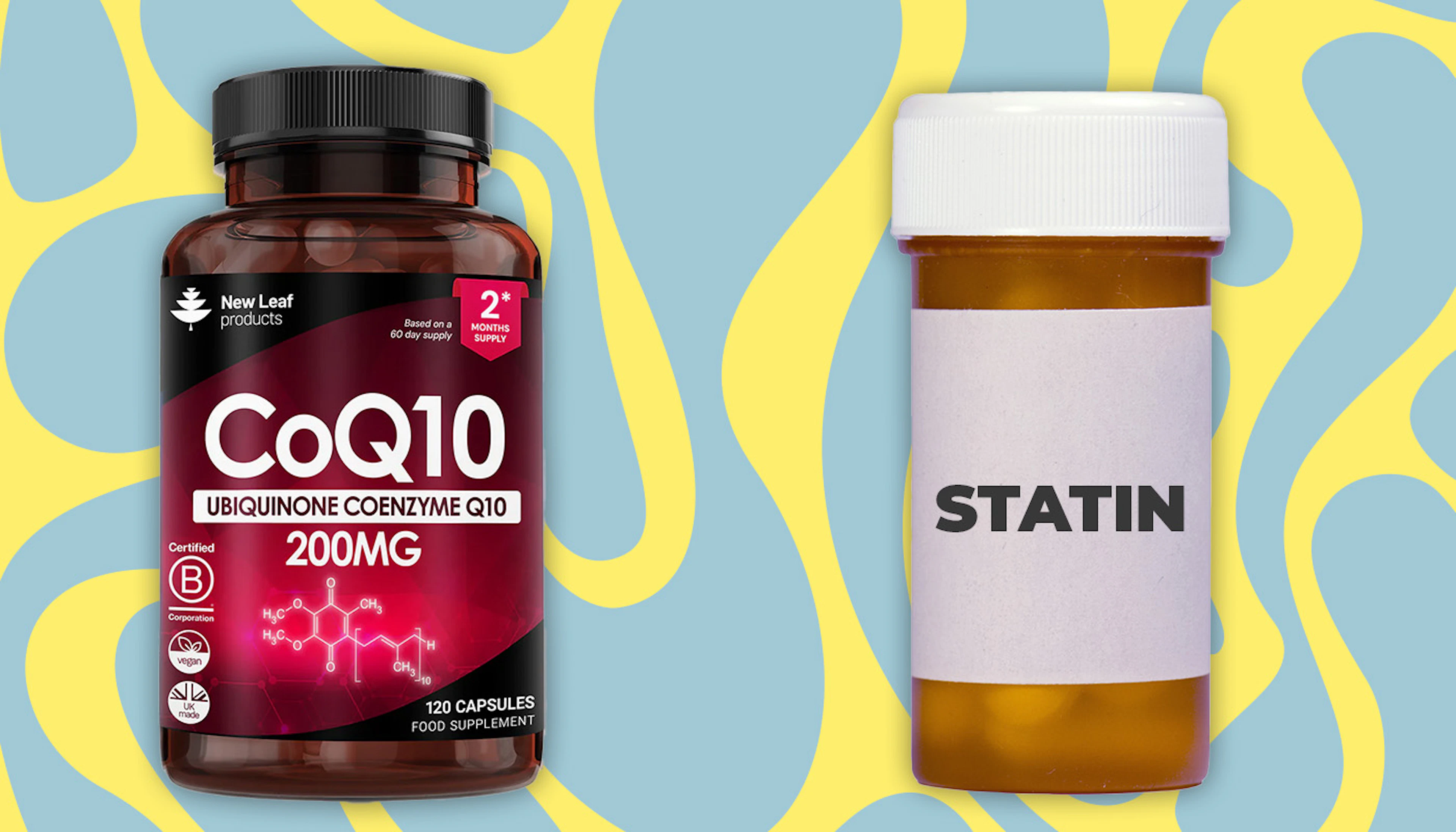
How Vitamin D May Help Reduce Statin-Related Muscle Pain
- Statin-associated muscle pain (myalgia) is common but often mild and not always caused by the statin itself.
- Clinical trials show that true statin-induced muscle symptoms occur in fewer than 10% of users.
- Low vitamin D links to muscle aches in some patients, yet a major 2023 trial showed supplements don't reduce statin pain.
- Talk to your doctor. Check vitamin D, adjust dose, or switch statins before quitting.
If you're taking a statin to lower cholesterol, you might notice some muscle aches. Maybe your thighs feel sore, your calves are heavy, or your shoulders are stiff in the morning. This kind of muscle discomfort, known as myalgia, is one of the most common reasons people stop taking statins.
But here’s something you might not know: the statin itself may not always be the cause. In some cases, low levels of vitamin D could be playing a role.
What Is Statin-Associated Myalgia?
Myalgia simply means muscle pain. When it occurs while taking a statin, it’s often referred to as statin-associated myalgia. People describe it in different ways, such as:
- A dull ache or tenderness in large muscles (like thighs, shoulders, or upper arms)
- A feeling of stiffness or heaviness, especially after activity
- Mild cramping or burning without swelling
Note: Unlike serious muscle damage, myalgia usually doesn’t break down muscle tissue. But it can still be bothersome enough to make you want to stop your medicine.
How Common Is It?
Muscle symptoms are frequently reported by people on statins, but research shows that statins may not be the true cause in most cases:
- In clinical trials, fewer than 10% of patients report muscle symptoms. It is primarily observed during the first year of starting the medication.
- The SAMSON study, a randomized clinical trial, found that over 90% of reported muscle pain happened even with a sugar pill — not the statin.
- Other factors (like low vitamin D, age, or exercise) may contribute to these symptoms.
The Role of Vitamin D in Muscle Health
Vitamin D is essential for healthy muscles. It helps with muscle strength, function, and calcium balance. When vitamin D levels are low, muscles can feel weak, tired, or sore—even without any medications involved.
The Hypothesis (Observational Studies)
Some studies have found that people who report muscle pain on statins are more likely to have low vitamin D levels than those who don’t have symptoms. For example:
- One study showed vitamin D deficiency was more common in patients with statin-related muscle pain.
- Another small study found that some patients felt better after correcting low vitamin D levels.
The Conclusion (Randomized Clinical Trial)
- The VITAL trial (large-scale, randomized, placebo-controlled) found that taking a daily vitamin D supplement (2000 IU of cholecalciferol) did not prevent or reduce muscle pain more than a placebo.
- Bottom line: Low vitamin D may contribute to muscle discomfort in some people, but it’s not proven to fix statin-related muscle pain for everyone.
What About Switching Statins?
If vitamin D correction doesn’t help, switching to a different statin may be an option. For example, ZYPITAMAG® (pitavastatin) has been shown in clinical trials to be well-tolerated:
- In studies, only about 3.1% of patients on the highest dose reported muscle pain, compared to 1.4% on placebo.
- Very few patients (0.5%) had to stop taking it due to muscle symptoms.
Compared to some other statins, Zypitamag may be a great option for those who struggle with statin tolerability.
What Should You Do If You Have Muscle Pain on a Statin?
Do not stop taking your statin due to muscle pain without talking to your healthcare provider, as the benefits of statins far outweigh the small risks of muscle side effects.
- Talk to Your Doctor: Discuss all your symptoms. Because most of the pain is not statin-related, your doctor will check for other common causes, such as vitamin D deficiency or thyroid issues.
- Statin Strategy: If the statin is suspected to be the cause, your doctor may try stopping the statin briefly and then restarting it, often at a lower dose or with a different type of statin. This approach is often effective in managing the symptoms.
References:
- Hlatky MA, Gonzalez PE, Manson JE, et al. Statin-Associated Muscle Symptoms Among New Statin Users Randomly Assigned to Vitamin D or Placebo. JAMA Cardiol. 2023;8(1):74-80. doi:10.1001/jamacardio.2022.4250.
- Minissian M, Agarwal M, Shufelt C, et al. Do women with statin-related myalgias have low vitamin D levels? BMC Res Notes. 2015;8:449. doi:10.1186/s13104-015-1356-9.
- Fadah K, Mares A, Lange RA. Statin-Associated Muscle Symptoms and Vitamin D Supplementation. Curr Opin Cardiol. 2025;40(4):215-220. doi:10.1097/ HCO.0000000000001222.
- Duell PB, Connor WE. Vitamin D Deficiency Is Associated With Myalgias in Hyperlipidemic Subjects Taking Statins. Circulation. 2008;118(suppl_18):S470.
- Riche KD, Wright RM. Impact of Vitamin D Status on Statin-Induced Myopathy. J Clin Lipidol. 2016;10(3):572-579. (PMCID: PMC5644425)
- Bytyçi I, Penson PE, Mikhailidis DP, et al.; on behalf of the Lipid and Blood Pressure Meta-Analysis Collaboration (LBPMC) Group and the International Lipid Expert Panel (ILEP). Prevalence of statin intolerance: a meta-analysis. Eur Heart J. 2022;43(34):3213-3223. doi:10.1093/eurheartj/ehac015.
- Cholesterol Treatment Trialists’ Collaboration. Effect of statin therapy on muscle symptoms: an individual participant data meta-analysis of large-scale, randomised, double-blind trials. Lancet. 2022;400(10355):832-845. doi:10.1016/S0140-6736(22)01545-8.