
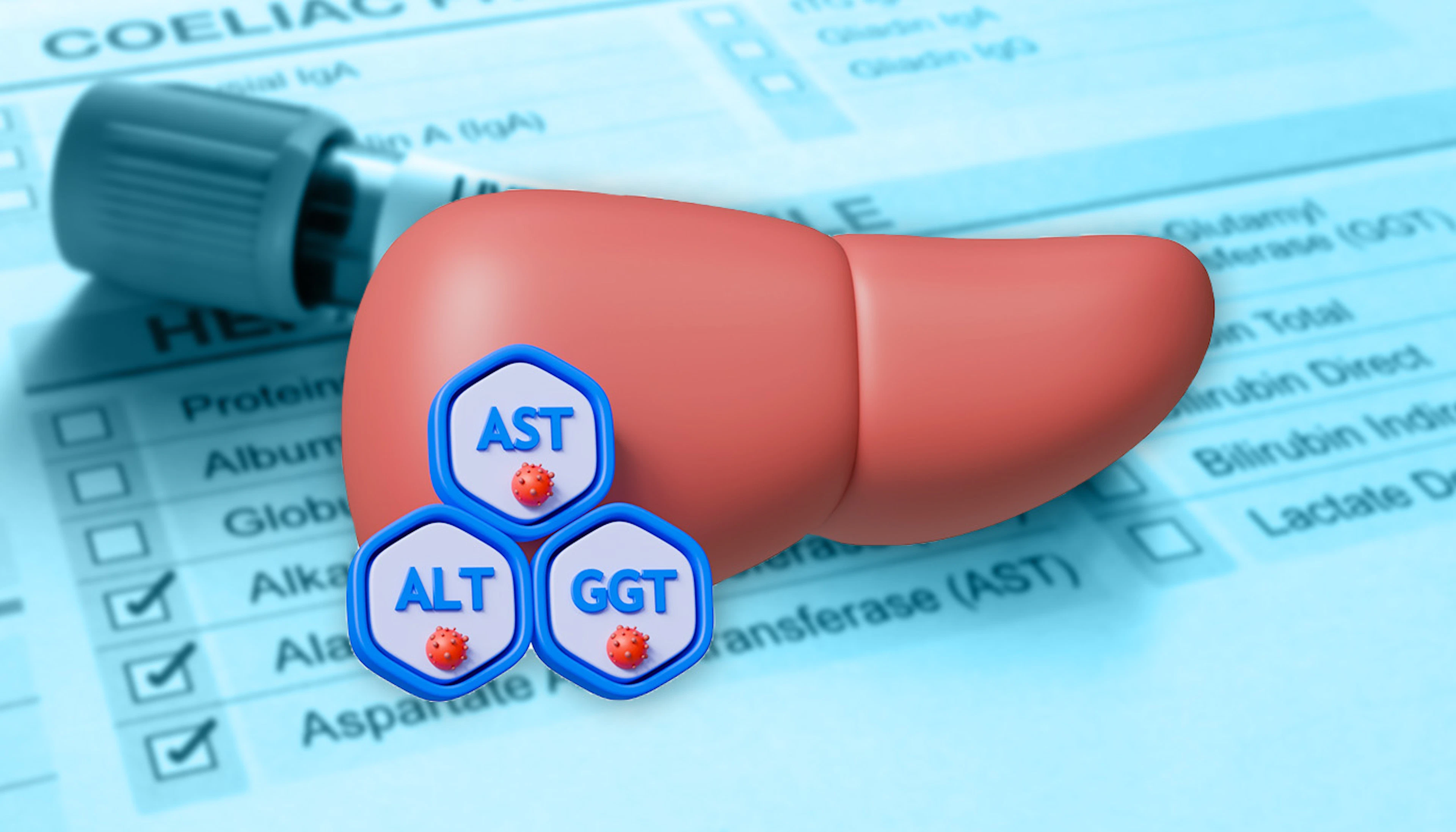


What Liver Function Tests Can Show
- Liver function tests (LFTs) measure enzymes and proteins to check liver inflammation, injury, or bile flow issues.
- Common markers include ALT, AST (cell injury), ALP & GGT (bile issues), bilirubin (waste buildup), albumin & total protein (liver production).
- High or low results can signal hepatitis, cirrhosis, blockages, medications, alcohol, or other conditions.
- Follow-up testing is done for abnormal results, changing trends, symptoms, known disease, or medication monitoring.
The liver is one of the body’s most important organs. It performs hundreds of vital tasks every day.
It helps the body process nutrients from food, filters toxins from the blood, and produces bile to aid digestion. It also helps store energy, control cholesterol, and manage how medicines are broken down.
When the liver is working well, it quietly supports nearly every system in the body. But if it become inflamed, injured, or overworked, symptoms can slowly appear; and that’s when liver blood tests help reveal what’s happening inside.
What are Liver Function Tests?
Despite the name, these tests don't just measure "performance." They measure the levels of specific enzymes and proteins in your blood.
When liver cells are stressed, irritated, or damaged, these substances can leak into your bloodstream in unusual amounts. By looking at a single blood sample, doctors can check for inflammation, cell damage, or blockages in your bile ducts.
A single blood sample gives several results at once.
Each number tells a different story; some reflect liver cell health, while others show how well bile is flowing or how the body is processing waste.
Although they are called “function” tests, LFTs also point to issues such as inflammation, bile flow problems, or blockages in the bile ducts.
When Liver Function Tests Are Ordered
Your liver is a "silent" organ; it often doesn't hurt even when it is struggling. Doctors order LFTs for these main reasons:
When you have symptoms that suggest a liver problem
Your doctor may order LFTs if you have symptoms that could signal liver stress. These symptoms are not specific to one condition, but they suggest the liver may need evaluation.
- Extreme fatigue or low energy
- Jaundice (yellowing of the eyes or skin)
- Pain in the upper right side of your belly
- Dark urine or pale stool
- Itching without a clear cause
- Nausea or vomiting
These signs can appear when liver enzymes rise in the bloodstream due to irritated or damaged liver cells.
Even without symptoms, your health provider might order these tests during routine checkups to detect early or silent liver problems.
To screen for liver conditions
Screening can help find liver conditions before they cause damage. Tests are often ordered if you:
- May have been exposed to hepatitis viruses
- Have risk factors for liver disease (such as heavy alcohol use, obesity, or diabetes)
- Have a family history of liver problems
- Screening for fatty liver disease, which is increasingly common due to metabolic factors like diabetes or weight.
These tests can identify liver inflammation, infections, or early signs of cirrhosis.
To check for medication-related liver effects
The liver processes almost every medicine you take. In certain people, these medications can irritate liver cells or cause enzyme changes.
Your doctor may check your liver function before starting these medications and test again during treatment to make sure your liver stays healthy.
Examples include certain antibiotics, cholesterol medicines, pain relievers, and medications for cancer or autoimmune conditions.
Common Markers in Liver Function Tests
Liver function tests (LFTs) report a group of values measured from a single blood sample.
Each value reflects a different activity of the liver. Your lab report will include a reference range beside each number, since these ranges can vary slightly between laboratories.
ALT (Alanine Aminotransferase)
- What it is: An enzyme found mostly in the liver
- What it checks: It is the primary "red flag" for liver injury. When liver cells are damaged, ALT leaks into the blood
- Reference range: 0 to 32 IU/L (units per liter)
- High Results: May suggest hepatitis, cirrhosis, or liver tumors
- Low Results: Usually normal and not a concern
AST (Aspartate Transaminase)
- What it is: An enzyme found in the liver, heart, and muscles
- What it checks: Because it is found in other organs, doctors compare it to your ALT levels to determine if the problem is specifically in the liver
- Reference range: 0 to 40 IU/L
- High Results: May suggest liver inflammation, injury, or diseases such as hepatitis or cirrhosis
- Low Results: Usually normal
ALP (Alkaline Phosphatase)
- What it is: An enzyme found in the liver, bones, and kidneys
- What it checks: It is a key indicator of bile flow
- Reference range: 39 to 117 IU/L
- High Results: If ALP and bilirubin are higher than AST and ALT, this may point to a bile flow issue such as obstruction or reduced bile excretion
- Low Results: May be caused by malnutrition or a zinc deficiency
GGT (Gamma-Glutamyl Transferase)
- What it is: A very sensitive enzyme found in the liver and bile ducts
- What it checks: It helps confirm if a high ALP level is coming from the liver or the bones. If GGT is high, the liver is the likely source
- Reference range: 6 to 50 IU/L
- High Results: Often signals bile duct issues or alcohol-related liver stress
- Low Results: Usually normal
Bilirubin
- What it is: A yellow waste product created when old red blood cells break down
- What it checks: It measures how well the liver is "cleaning" your blood and moving waste into your bile
- Reference range: 0 to 1.2 mg/dL
- High Results: Can cause jaundice (yellow skin/eyes). Conditions such as hepatitis, cirrhosis, anemia, gallstones, or reactions to medication
- Low Results: Usually normal
Albumin
- What it is: A major protein made by the liver
- What it checks: It reflects how well the liver is producing essential proteins
- Reference range: 3.8 to 4.8 g/dL
- High Results: Possible dehydration
- Low Results: Liver or kidney disease, inflammation, infection, or poor nutrition
Total Protein
- What it checks: This test measures the overall amount of protein in the blood, including albumin and other types that help with immunity and clottin
- Reference range: 6.0 to 8.5 g/dL
- High Results: Chronic inflammation, infections, or certain blood disorders
- Low Results: Liver or kidney disease or poor nutrient absorption
| Marker | Reference range | Possible causes of abnormal results |
| ALT (Alanine Aminotransferase) | 0 - 32 IU/L | Hepatitis, cirrhosis, tumors |
| AST (Aspartate Transaminase) | 0 - 40 IU/L | Hepatitis, cirrhosis, tumors |
| ALP (Alkaline Phosphatase) | 39 - 117 IU/L | Bile flow problem, zinc deficiency, malnutrition |
| GGT (Gamma Glutamyl Transferase) | 6 - 50 IU/L | Bile duct or liver problem |
| Bilirubin | 0 - 1.2 mg/dL | Hepatitis, cirrhosis, medication reactions, cancer, anemia, gallstones |
| Albumin | 3.8 - 4.8 g/dL | Liver disease, kidney conditions, infection, inflammation, poor nutrition |
| Total Protein | 6.0 - 8.5 g/dL | Liver/kidney problems, poor absorption of nutrients, chronic inflammation, infections, certain blood disorders |
When is Follow-Up Needed?
Follow-up testing is often recommended when liver test results fall outside the normal range or change over time.
One abnormal number does not always mean you have a disease. Your doctor will look for patterns and trends over time.
Follow-up is usually recommended if:
- One or more markers are abnormal without a clear cause
- Results continue to change between blood tests
- Symptoms persist even if initial results are only mildly abnormal
- Ongoing liver disease requires routine monitoring
- A medication may be affecting liver function
If unusual results persist or worsen, your doctor may recommend more detailed tests. These might include specialized blood work, imaging such as an ultrasound, or referral to a liver specialist.
The goal is to identify the cause, monitor liver health, and guide any needed treatment.

