

Over-the-Counter Vs. Prescription Cold Sore Treatments
- Cold sores are common, contagious blisters caused by HSV-1, and can recur throughout life.
- Over-the-counter creams and balms help mild cases, but prescription antivirals are best for frequent or severe outbreaks.
- Early treatment at the first tingle can shorten healing time.
- Good hygiene and avoiding sharing items help prevent spreading the virus.
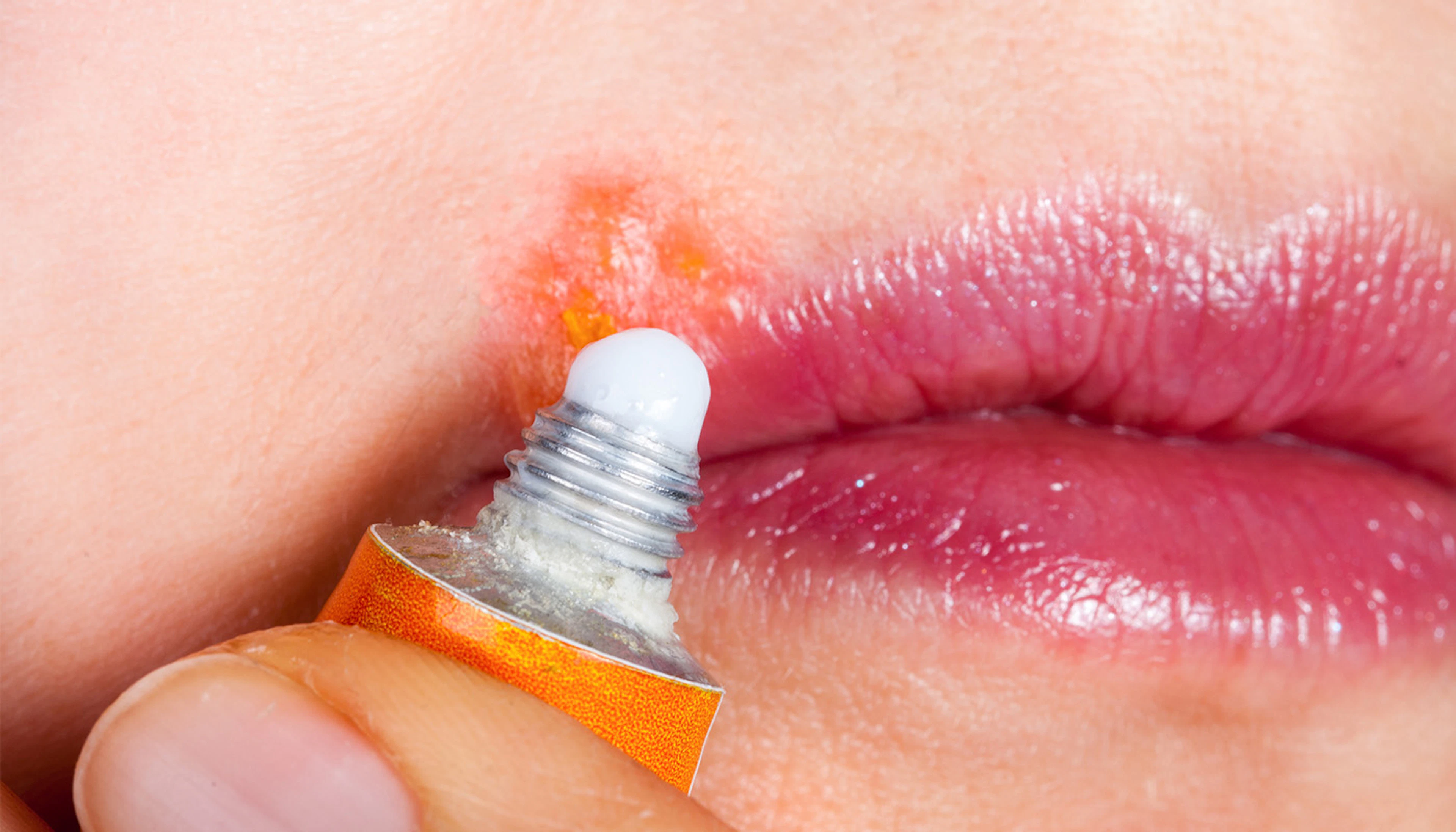
Cold sores are small, painful blisters that usually appear around the lips. They are caused by the herpes simplex virus type 1 (HSV-1). This virus is extremely common, about 64% of people under 50 worldwide carry HSV-1.
The virus spreads through close contact, such as kissing or sharing utensils, and remains in the body for life, sometimes staying dormant and sometimes triggering visible outbreaks.
Outbreaks can be triggered by stress, illness, sun exposure, or hormonal changes. Symptoms often start with tingling or itching, followed by fluid-filled blisters that crust over and heal in about a week. Some people rarely get them, while others experience frequent flare-ups.
While HSV-1 mainly causes cold sores around the mouth, HSV-2 is usually linked to genital herpes. However, both viruses can infect either area. There’s no cure, but early treatment and avoiding triggers can help manage outbreaks.
When Are Cold Sores Contagious?
Cold sores are contagious from the very first tingle until the skin is completely healed, usually about 7 to 10 days. The virus can spread even before blisters appear and remains infectious until the area is fully recovered.
To prevent spreading HSV-1, avoid sharing items like lip balm, drinks, or utensils, and wash your hands frequently during an outbreak. Most flare-ups occur in the same spot.
When Should You Treat Cold Sores?
Most cold sores heal on their own without medication, but treatment can help if outbreaks are painful, last longer than usual, or are especially bothersome. Early treatment may also shorten the duration of symptoms.
If you have a weakened immune system, due to conditions like HIV or certain medications, cold sores may be larger, slower to heal, or appear in multiple places. In these cases, or if a sore is near your eye, seek medical attention right away, as HSV can cause serious complications.
When to be extra cautious
Take extra care around babies, young children, pregnant women, and anyone with a compromised immune system. In these groups, cold sores can lead to more serious health problems. For newborns, HSV infection can be dangerous and requires immediate medical attention.
Over-the-Counter Cold Sore Relief
Cold sores often start with a tingle or mild burn. Catching them early can make a difference. Several OTC products can help ease symptoms and may shorten healing time:
- Docosanol (Abreva): The only FDA-approved OTC antiviral cream. It helps block the virus from entering healthy skin cells. Apply 5 times a day at the first sign of symptoms. Use a cotton swab or clean finger, and wash hands afterward. For ages 12 and up.
- Campho-Phenique: Contains camphor and phenol to dry out the sore and reduce discomfort. Apply up to 3 times daily. Stop use and consult a provider if symptoms worsen or last more than a week.
- Orajel Touch-Free: Offers pain relief with benzocaine or helps reduce infection risk with benzalkonium chloride. For ages 2 and up, up to 3 applications per day.
- Herpecin L: A lip balm with SPF 30, lysine, lemon balm, and vitamins. It doesn’t shrink sores but helps protect lips and may reduce outbreaks.
When is OTC enough?
If your cold sore is mild and heals within 10 days, OTC treatments are usually sufficient. They’re ideal for occasional outbreaks.
Prescription Antivirals
For more severe or frequent outbreaks, prescription antivirals can help:
- Valacyclovir (Valtrex): Converts to acyclovir in the body and blocks the virus from multiplying. Best taken at the first sign of symptoms. Approved for ages 12+. Can be taken with or without food.
- Acyclovir (Zovirax): Available as pills or cream. It blocks a key viral enzyme. Needs multiple doses per day and works best when started early.
- Famciclovir (Famvir): Used in adults only. Converts to penciclovir in the body. Most effective when taken at the first sign of an outbreak.
- Penciclovir (Denavir): A topical antiviral for patients 12 and older. Safe during pregnancy with provider approval. Apply early for best results.
When to consider prescription treatment:
If cold sores are frequent, painful, last more than 2 weeks, or interfere with daily life, talk to your healthcare provider about antiviral options.
When Should You Consider a Prescription?
If you experience frequent or severe cold sores, prescription antiviral medication may be a better option than OTC treatments. Consider seeing your healthcare provider if:
- You get cold sores 5 or more times a year. Frequent outbreaks may need more than just over-the-counter care.
- The pain interferes with daily life. If eating, sleeping, or talking becomes difficult, stronger relief may help.
- The sore spreads toward your nose or eyes. These areas are more prone to complications—see a provider right away.
- You have a weakened immune system. Healing may take longer, and antiviral medication can help control the virus.
Prescription antivirals like valacyclovir, acyclovir, and famciclovir are most effective when taken at the first sign of symptoms, usually tingling or burning. They don’t cure the virus, but they can shorten outbreaks and reduce how long you’re contagious.
Tips for Managing and Preventing Spread
Even without a visible blister, HSV-1 can still spread. Good hygiene and early action make a big difference:.
- Avoid kissing or sharing food, drinks, or lip products during an outbreak.
- Don’t touch the sore. If you do, wash your hands right away.
- Use a cotton swab or clean finger to apply creams, then toss anything that touched the sore.
- Replace lip balm or makeup used during an outbreak.
If something feels off or looks different, don’t wait. A quick check-in with your doctor can help you decide what to do next.
Commonly Asked Questions about Cold Sores
Click the questions below to see the answer.
What causes cold sores?
Cold sores are caused by the Herpes simplex virus (HSV). Once you are infected once, the virus stays in the body in a dormant (non-active) state. The virus can become reactivated by triggers like stress, illness, sun exposure, hormonal changes and/or a weakened immune system.
These triggers increase the likelihood of you getting a cold core, but do not mean that you will get one. You can also get a cold sore outbreak for no reason at all – just bad luck.
Why are cold sores most commonly on lips?
Cold sores are caused by the Herpes simplex virus (HSV). This virus spreads by direct contact through cuts of breaks in the skin. This most commonly occurs at the mouth by sharing items like razors, towels, or lip products.
After the initial infection, the virus lies dormant in nerve cells near the site of infection. And when reactivated, the virus spreads from the nerve cell which is most commonly located near the mouth, or the same location as the first infection.
How long does a cold sore last?
Usually cold sores heal on their own within 7 to 10 days, although, some can take up to 2 to 3 weeks to fully resolve without treatment.
What treatments help a cold sore?
Topical antiviral creams (like acyclovir or penciclovir) and oral antivirals (such as valacyclovir) can reduce healing time if started early — ideally at the first tingling or blister stage.
Are cold sores contagious?
Yes. Cold sores can spread from the first tingling sensation until the sore is fully healed and the scab has fallen off. Avoid kissing or sharing items like lip balm, towels, or utensils.
Can I prevent future cold sore outbreaks?
While there’s no cure, you can reduce recurrences by identifying and avoiding your triggers (like UV exposure, stress, illness), using lip balm with sun-protection, and starting treatment early when you feel a tingling coming on.
When should I see a healthcare provider for a cold sore?
See a doctor if the sore hasn’t healed within about 10 days, is very large or painful, spreads near your eye, or if you have a weakened immune system.
References:
- World Health Organization. (2024, March 15). Herpes simplex virus. https://www.who.int/ news-room/fact-sheets/detail/herpes-simplex-virus