

How To Use Pimecrolimus For Eczema
- Pimecrolimus cream is used short-term for mild to moderate eczema when other treatments have not worked.
- Common side effects include burning at the application site, headache, or cough; rare cases of skin cancer and lymphoma have been reported.
- Avoid sun exposure to treated skin and talk to a healthcare provider before using with other creams.
- Buy pimecrolimus for $102 cash price from Marley Drug.
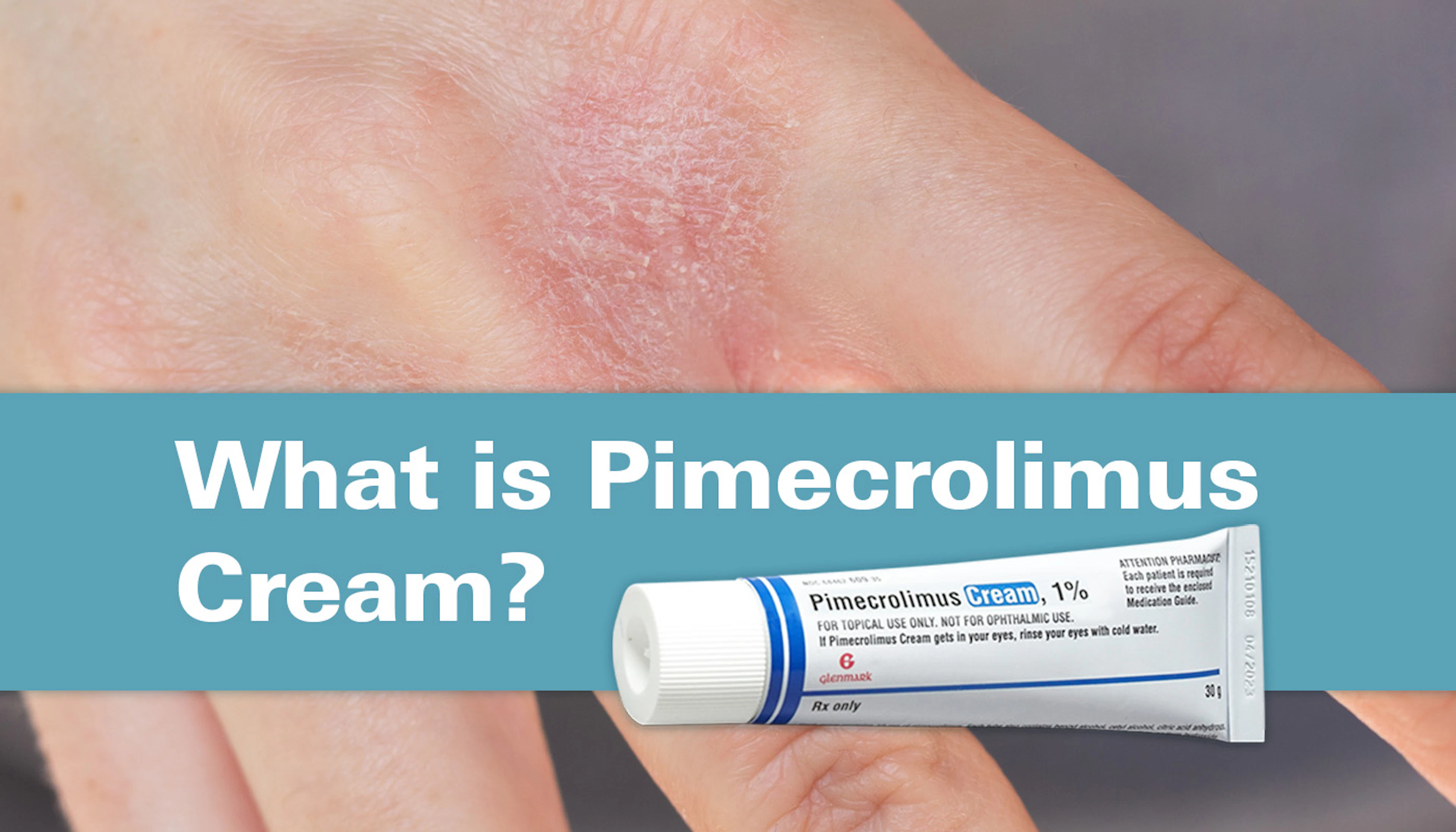
Pimecrolimus (pim-uh-KROH-luh-mus) is a prescription topical cream used to treat mild to moderate eczema (atopic dermatitis) in patients aged 2 years and older. It is a second-line treatment, typically prescribed when first-line therapies, such as topical corticosteroids, have not been effective or are not suitable due to side effects.
Pimecrolimus cream (brand name Elidel) is applied as a thin layer to affected skin areas twice daily to reduce symptoms like redness, itching, and inflammation. Improvement is often seen within one week, but if no improvement occurs after 3 weeks, speak to your healthcare provider.
Usage Guidelines:
- Approved for short-term or intermittent long-term use in non-immunocompromised patients.
- Not recommended for children under 2 years of age.
- Should not be used on areas of active viral infections (e.g., herpes or chickenpox).
How to Use
- Wash the affected area with soap and water, then pat dry before applying.
- Apply a thin layer only to areas affected. Rub in gently.
- Use twice daily, morning and evening.
- Do not apply to eyes, mouth, nose, or mucous membranes. If accidental contact occurs, rinse thoroughly with water.
- Wash hands after application unless treating the hands to avoid unintentional spread to other areas.
- Moisturizers may be used after the medication to lessen dryness.
- Do not cover treated areas with airtight dressings unless instructed; this can increase systemic absorption.
Get pimercrolimus cream for $102
How Pimecrolimus Cream Works for Eczema
Pimecrolimus belongs to a class of drugs called calcineurin inhibitors. While its exact mechanism is not fully understood, it works by suppressing the immune system’s overactive response in the skin, which is a key contributor to eczema symptoms.
Eczema involves inflammation triggered by an immune response. Pimecrolimus inhibits T-cell activation and reduces the release of inflammatory substances, helping to alleviate itching, redness, and skin lesions associated with eczema.
How It Helps:
- Reduces inflammation and itchiness in affected areas.
- Helps prevent flare-ups when used as part of a long-term management plan.
- Offers an alternative to steroids, minimizing risks like skin thinning.
Side Effects
Pimecrolimus Cream, 1% may cause side effects, especially with prolonged or inappropriate use. It is intended for short-term and intermittent treatment only.
Common Side Effects:
- Burning sensation at the application site
- Headache
- Cough
These effects often lessen with continued use. If any side effects are severe, persistent, or concerning, talk to your doctor or pharmacist.
Rare but Serious Concerns:
- Cancer risk: The FDA notes rare reports of skin cancer and lymphoma in patients using pimecrolimus. A direct causal link has not been established, but the FDA advises caution and regular skin monitoring.
- Other rare side effects: Allergic reactions (e.g., rash, hives, or swelling) or worsening eczema symptoms.
Important Warnings and Precautions
- Avoid sunlight and tanning: Treated skin may be more sensitive to sunlight. Direct sun exposure, sunlamps, or tanning salons should be avoided. If outdoor activities are necessary, wear protective clothing over treated areas.
- Consult before other skin products: Always ask a healthcare provider before applying other creams or lotions to the same area while using pimecrolimus cream.
- Do not use with occlusive dressings: This can increase drug absorption and side effects; only apply as directed.
Who Should Avoid Pimecrolimus Cream
- Those with a history of skin cancer.
- Individuals who have Netherton’s syndrome (a rare genetic disorder), as it may increase drug absorption and risks..
- Patients receiving light (UV) therapy on their skin.
- Pregnant or breastfeeding women, unless deemed necessary by a healthcare provider, as safety data is limited.
- People with active viral skin infections (e.g., herpes, chickenpox, or warts) on treated areas.