
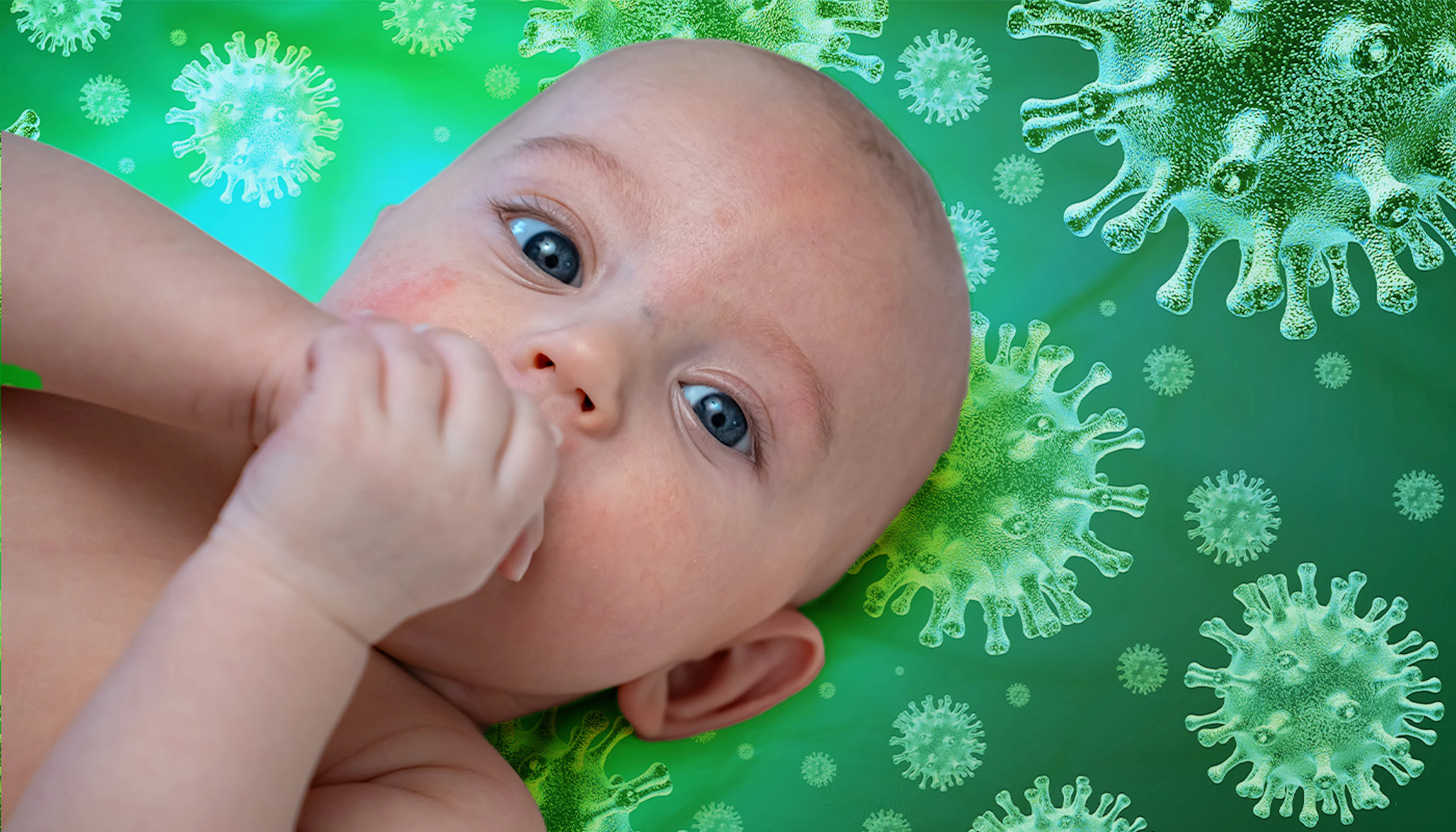

Protecting babies from RSV: What parents should know
- RSV is a very common virus that almost all children get by age 2. It ocauses cold-like symptoms such as a runny nose, cough, or mild fever.
- Infants under 1 year, especially premature babies or those with health conditions, are at the greatest risk of severe RSV illness.
- Warning signs in babies include fast or labored breathing, pauses in breathing, poor feeding, unusual sleepiness, or blue lips and fingertips.
- There’s no cure. Most babies recover at home, but some need hospital care; prevention includes handwashing, avoiding sick contacts, and protective options like Beyfortus (nirsevimab).
Respiratory syncytial virus (RSV) is a very common virus that affects the lungs and breathing passages. Almost every child will have RSV by the time they are 2 years old.
For most children and adults, RSV feels like a regular cold, with symptoms like runny nose, cough, and maybe a mild fever. But RSV can sometimes cause more serious illness, especially in babies and older adults.
RSV is the leading cause of bronchiolitis (inflammation of the small airways in the lungs) and can also cause pneumonia (lung infection). In the U.S., RSV sends about 58,000 to 80,000 children under age 5 to the hospital each year.
RSV is most common during the winter months, with cases peaking from late fall to early spring, though it can spread at any time of year.
Why Are Iinfants More at Risk?
Babies under 12 months, especially newborns, are more likely to get very sick from RSV. Here’s why:
- Their immune system is still developing. The first time they get RSV, their immune system may struggle to respond effectively.
- Babies have tiny airways, so even a little swelling or mucus can make breathing difficult.
- RSV often starts with mild symptoms like a runny nose or cough, but in babies, it can worsen to:
- Wheezing or noisy breathing
- Fast or labored breathing
- Trouble feeding or decreased appetite
In serious cases, RSV can cause bronchiolitis or pneumonia. Research shows that about 2 to 3 out of every 100 babies younger than 6 months will need hospital care for RSV each year.
In the hospital, treatment usually focuses on supporting breathing and hydration. Babies may receive oxygen, IV fluids, or, in very rare cases, help from a breathing machine. Most recover enough to go home in just a few days.
Which Babies Are at Higher Risk for Severe RSV?
- Premature birth (lungs and immune system are less developed)
- Chronic lung disease
- Heart problems
- Weakened immune system
- Neuromuscular disorders (trouble clearing mucus)
Signs to Watch for
RSV often starts like a simple cold with symptoms like runny nose, sneezing, or a mild cough. Fever may happen, but not always.
In babies, these mild symptoms can get worse instead of better. Watch for these warning signs:
- Breathing changes – Fast, noisy, or hard breathing. You may see the skin pulling in between the ribs or under the chest.
- Pauses in breathing – Especially in babies under 6 months.
- Feeding problems – Drinking less milk or refusing to eat.
- Behavior changes – Very sleepy, hard to wake, or unusually fussy.
- Color changes – Lips, tongue, or fingertips look bluish. This is an emergency.
RSV can worsen quickly. A baby who seems only a little congested one day may struggle to breathe the next.
When to Call a Doctor
Call your pediatrician right away if your baby:
- Is breathing faster than usual, working hard to breathe, or wheezing
- Is feeding poorly or having fewer wet diapers
- Has a fever (any fever in a baby under 3 months)
- Seems very tired, hard to wake, or unusually irritable
For emergencies, such as severe breathing trouble or blue lips, tongue, or fingertips, call 911 or go to the nearest emergency room immediately. These signs indicate that your baby may not be getting enough oxygen and needs urgent care.
How Does RSV Spread?
RSV spreads very easily when an infected person coughs or sneezes, releasing tiny droplets into the air or onto hands and surfaces. Babies can catch it by touching contaminated objects or being kissed or held by someone who is sick.
The virus can survive for hours on hard surfaces like toys, tables, or crib rails, and for shorter times on soft materials like blankets or clothing. This makes daycare and family gatherings common places for it to spread.
Examples of how RSV spreads:
- A sibling with a runny nose touching the baby’s toys or pacifier
- A caregiver not washing hands after wiping their nose, then feeding a baby
- A relative kissing a baby while they “just have a little cold”
- Shared toys in group settings during winter months
Most people with RSV are contagious for about a week, even if symptoms are mild. However, babies and those with weakened immune systems can spread RSV for several weeks, even after they start to feel better.
Way to Protect Your Baby
While it’s impossible to completely prevent RSV, you can take steps to reduce the risk of your baby getting sick or spreading the virus.
- Use soap and water for at least 20 seconds, and ask everyone who handles your baby to do the same.
- Disinfect toys, bottles, pacifiers, and crib rails regularly, as RSV can live on hard surfaces for hours.
- Keep anyone with cold-like symptoms away from your baby.
- During RSV season (late fall to early spring), try to avoid busy places like indoor play areas.
- If a sibling is sick, limit their close contact with the baby until they’re better.
Preventive Option: Beyfortus (Nirsevimab)
The CDC recommends a preventive treatment called Beyfortus (nirsevimab), a monoclonal antibody that helps protect against severe RSV illness. It’s not a vaccine but a single injection that provides temporary protection.
Who may benefit:
- Babies younger than 8 months born during or just before RSV season (fall to early spring), especially if their mother didn’t receive the RSV vaccine during pregnancy.
- Babies born within 2 weeks of their mother getting the RSV vaccine, as they may not have received enough antibodies.
- Some children 8 to 19 months old at higher risk for severe RSV (e.g., those with certain medical conditions) entering their second RSV season.
When it’s given:
- For babies born during RSV season (October to March), it’s typically given in the first week of life, often before leaving the hospital.
- For babies born outside RSV season or high-risk toddlers, it’s given just before the RSV season starts in the fall.
- It’s usually a single injection in the thigh, and one dose is enough for most babies.
Beyfortus is not recommended for babies whose mothers received the RSV vaccine during pregnancy, unless special circumstances apply; or children over 19 months.
Treatment and Care
There’s no specific cure for RSV, but most babies recover with supportive care at home or, in more serious cases, in the hospital. The goal is to keep your baby comfortable, help them breathe easier, and prevent dehydration.
At Home
- Use a cool-mist humidifier: This can help ease breathing by keeping the air moist.
- Clear a stuffy nose: Use saline drops and a gentle suction bulb to remove mucus.
- Offer frequent, small feedings: Breast milk or formula can help keep your baby hydrated, even if they take smaller amounts.
- Hold your baby upright: This can make breathing easier, as lying flat may be harder for them.
- Ask about fever medicine: If your baby is old enough, your doctor may recommend medication to manage fever.