Questions? Call us at 800-810-7790

- Chronic obstructive pulmonary disease (COPD) is a chronic respiratory condition that makes it difficult to breathe.
- COPD is most common in individuals over the age of 40, and it affects men and women equally.
- Cigarette smoke is the leading cause of COPD, accounting for approximately 80% of all cases.
- There is currently no cure for COPD, and treatment options aim to manage symptoms and improve your quality of life

Overview
Chronic obstructive pulmonary disease (COPD) is a chronic respiratory condition that makes it difficult to breathe. This condition is a progressive disease and one of the leading causes of death worldwide.
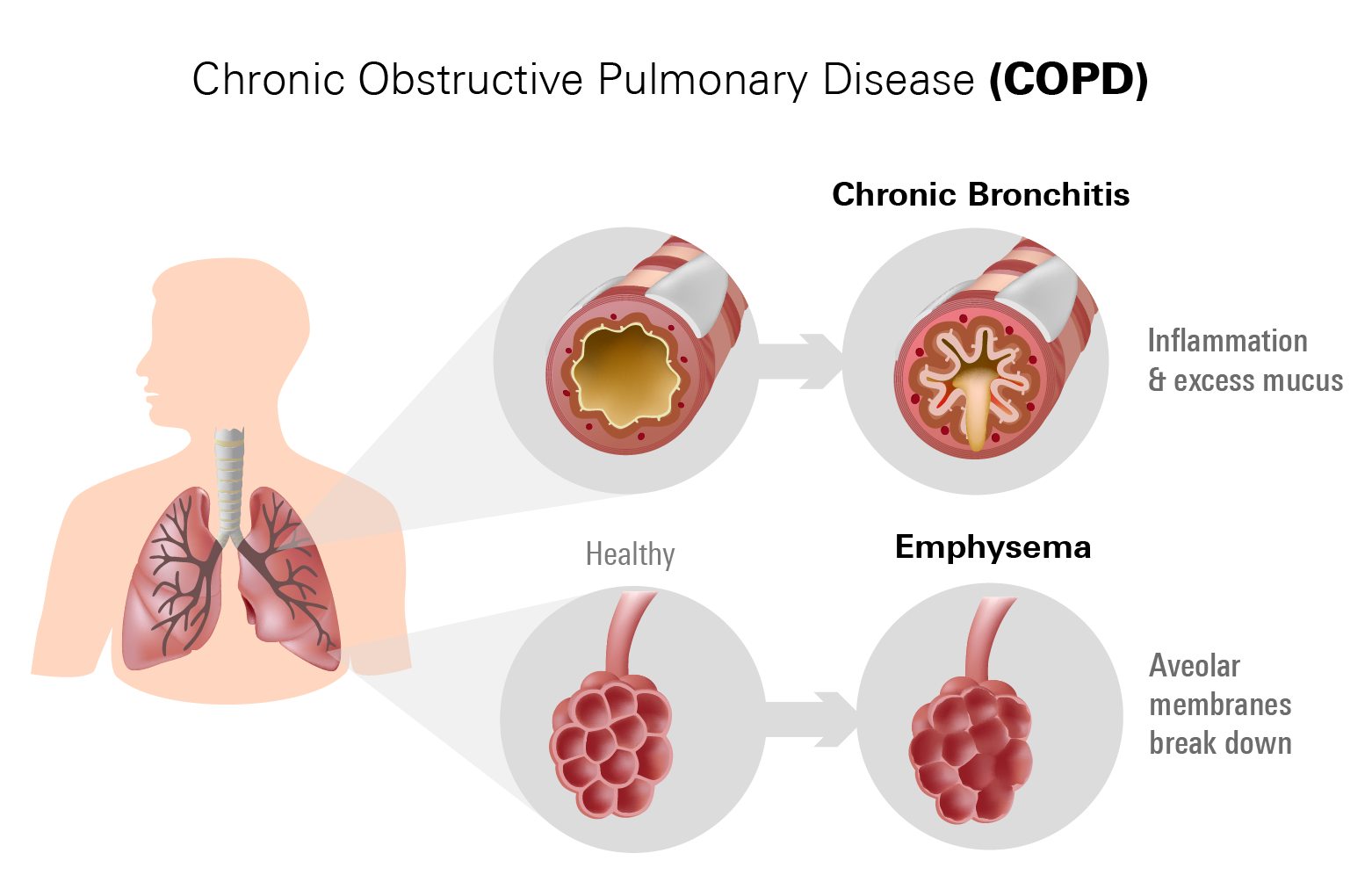
It typically involves 2 conditions:
- Emphysema involves damage to the air sacs (alveoli) in your lungs. This damage reduces the surface area available for oxygen to enter your bloodstream and carbon dioxide to leave your bloodstream, making it harder to breathe.
- Chronic bronchitis is characterized by inflammation and irritation of the bronchial tubes, which carry air to and from the lungs. This inflammation causes the bronchial tubes to narrow and produce excess mucus, leading to coughing and difficulty breathing.
Many individuals with COPD have a combination of chronic bronchitis and emphysema. In addition to these 2 main types, there are other conditions that may fall under the COPD umbrella, such as asthma-COPD overlap syndrome (ACOS), bronchiectasis, and chronic obstructive airway disease. Treatment for COPD typically involves a combination of medications, lifestyle changes, and pulmonary rehabilitation programs.
Prevalence
According to the World Health Organization (WHO), COPD is the third leading cause of death worldwide, responsible for approximately 3.2 million deaths annually.
In the United States, it’s estimated that over 16 million Americans have been diagnosed with COPD, and it’s also believed that millions more have the disease but have not been diagnosed
COPD is most common in individuals over the age of 40, and it affects men and women equally. COPD is more common in individuals who smoke or have a history of smoking, but it can also be caused by exposure to other lung irritants, such as air pollution, chemical fumes, or dust. Those with a genetic condition called alpha-1 antitrypsin deficiency are also at increased risk of developing COPD.
Symptoms
Chronic obstructive pulmonary disease (COPD) is characterized by inflammation of the airways, lung tissue damage, and breathing difficulties. Some common signs and symptoms of COPD may include the following:
- Shortness of breath, especially during physical activity or exertion
- Wheezing or whistling sound when breathing
- Chest tightness
- Chronic cough with or without sputum production
- Frequent respiratory infections
- Fatigue or lack of energy
- Unintended weight loss
- Bluish tint to your lips or fingernail beds
- Swelling in ankles, feet and/or legs
- Reduced exercise tolerance
These symptoms can vary in severity and may worsen over time, leading to significant disability and impaired quality of life. It’s important to seek medical attention if you experience any of these symptoms, especially if you have a history of smoking or exposure to lung irritants.
Causes
Cigarette smoke is the leading cause of COPD, accounting for approximately 80% of all cases. The toxic chemicals in cigarette smoke irritate your lungs and airways, leading to chronic inflammation, damage to your air sacs (emphysema), and narrowing of your bronchial tubes, also called chronic bronchitis. The longer you smoke and the more cigarettes you smoke, the greater your risk of developing COPD.
Exposure to other lung irritants can also contribute to the development of COPD. Air pollution, both outdoor and indoor, is a significant risk factor, particularly in developing countries where solid fuels are used for cooking and heating. Exposure to chemical fumes, dust, and secondhand smoke can also damage your lungs and increase your risk of COPD.
In rare cases COPD can be caused by genetic factors such as alpha-1 antitrypsin deficiency. This rare genetic disorder affects the production of a protein called alpha-1 antitrypsin, which helps to protect your lungs from damage. Individuals with this deficiency are at increased risk of developing emphysema, even if they have never smoked or been exposed to lung irritants.
Other Risk Factors
- Age: The risk of developing COPD increases with age, and the disease is more common in individuals over the age of 40.
- Gender: COPD affects both men and women, but women may be at increased risk due to the effects of hormones and smaller lung size.
- Respiratory infections: Repeated respiratory infections, especially in childhood, can increase your risk of developing COPD later in life.
- Asthma: Those with asthma may be at increased risk of developing COPD, particularly if their asthma is poorly controlled or they have other risk factors such as smoking.
- Family history: Having a family history of COPD may increase your risk of developing this disease.
It’s important to know that not everyone who is exposed to these risk factors will develop COPD, and some individuals without any risk factors may still develop the disease. However, reducing exposure to these risk factors, particularly smoking, can significantly decrease your risk of developing COPD.
Treatment
There is currently no cure for COPD, and treatment options aim to manage symptoms and improve your quality of life. The treatment plan for COPD varies depending on the severity of the disease, and may include the following:
Medication Options
Bronchodilators and corticosteroids are commonly used to manage COPD symptoms. Bronchodilators help to relax the muscles around the airways, making it easier to breathe. Corticosteroids reduce inflammation in the airways, which can also help to improve breathing.
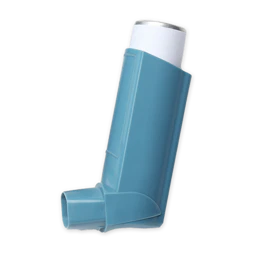
A variety of bronchodilator medications are available as inhalers including the following:
- Short-acting beta-2 agonist (SABA)
- Short-acting beta-2 agonist (SABA)
- Levalbuterol (Xopenex, Xopenex HFA)
- Epinephrine (Primatene mist)
- Short-acting muscarinic antagonist (SAMA)
- Ipratropium Bromide (brand: Atrovent HFA)
- Ipratropium Bromide + Albuterol (available as a brand: Combivent Respimat)
- Long-acting beta-2 agonists
- Salmeterol (Serevent Diskus)
- Salmeterol + Fluticasone (Advair Diskus, Wixela Inhub)
- Formoterol (Perforomist)
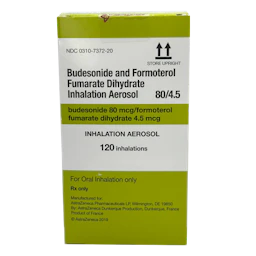
- Formoterol + Budesonide (Symbicort)
- Formoterol + Aclidinium (Duaklir Pressair)
- Formoterol + Glycopyrrolate (Bevespi Aerosphere)
- Arformoterol (Brovana)
- Indacaterol (Arcapta Neohaler)
- Olodaterol (Striverdi Respimat)
- Vilanterol + Fluticasone (Breo Ellipta)
- Vilanterol + Umeclidinium (Anoro Ellipta)
- Vilanterol + Umeclidinium/Fluticasone (Trelegy Ellipta)
- Long-acting muscarinic antagonists (LABA)
- Aclidinium (Tudorza Pressair)
- Glycopyrrolate (Seebri Neohaler)
- Revefenacin (Yupelri)
- Umeclidinium (Incruse Ellipta)
- Tiotropium (Spiriva Handihaler, Spiriva Respimat)
- Inhaled Corticosteroids (ICS)
- Beclomethasone (QVAR RediHaler)
- Budesonide (Pulmicort Flexhaler, Pulmicort Respules)
- Ciclesonide (Alvesco)
- Fluticasone (Flovent HFA)
- Fluticasone + Salmeterol (Advair Diskus, Advair HFA, AirDuo RespiClick, Wixela Inhub)
- Mometasone (Asmanex HFA, Asmanex Twisthaler)
Oxygen therapy
If your COPD has progressed to the point where your blood oxygen levels are low, your doctor may prescribe oxygen therapy to help you breathe.
Pulmonary rehabilitation
Pulmonary rehabilitation is a comprehensive program that includes exercise, education, and support to help those with COPD manage their symptoms and improve their quality of life.
Surgery
In some cases, surgery may be recommended to treat COPD. This can include a lung transplant or a procedure called lung volume reduction surgery, which removes damaged lung tissue to help improve breathing.
Lifestyle changes
This can include quitting smoking, avoiding air pollutants, eating a healthy diet, and staying physically active.
It’s highly recommended to work closely with your doctor to develop a treatment plan that is tailored to your specific needs and goals. With the right treatment and self-care strategies, individuals with COPD can live full and active lives.
Complications
Chronic obstructive pulmonary disease (COPD) is a progressive respiratory condition that can lead to various complications. Some of the common complications associated with COPD may include the following:
- Respiratory infections: COPD increases your risk of pneumonia and bronchitis, which can worsen breathing difficulties and lead to hospitalization.
- Pulmonary hypertension: COPD can cause high blood pressure in the arteries that supply blood to your lungs, which can lead to heart failure and other cardiovascular complications.
- Depression and anxiety: COPD can cause feelings of anxiety, depression, and/or social isolation, which can further worsen your symptoms and reduce your quality of life.
- Chronic respiratory failure: COPD can eventually lead to chronic respiratory failure, where your lungs are no longer able to provide enough oxygen to your body, leading to severe breathing difficulties and the need for supplemental oxygen.
- Lung cancer: Individuals with COPD have a higher risk of developing lung cancer, especially if they continue to smoke.
- Sleep apnea: COPD can cause interruptions in breathing during sleep, leading to sleep apnea, which can further worsen your symptoms of COPD.
- Osteoporosis: Those with COPD have a higher risk of developing osteoporosis, a condition that causes your bones to become weak and brittle, increasing your risk of fractures.
It’s important to manage COPD effectively and seek medical attention if any complications arise to minimize their impact on your overall health and quality of life.
Prevention
While there is no guaranteed way to prevent COPD, there are several measures that can reduce your risk of developing this condition. Some tips for preventing COPD include the following:
- Quit smoking: As mentioned, smoking is the leading cause of COPD, and quitting smoking is the best way to prevent this condition. If you are a smoker, talk to your doctor about smoking cessation options.
- Avoid exposure to air pollutants: As mentioned, air pollution, dust, and chemical fumes can irritate your lungs and increase your risk of developing COPD. Avoid exposure to these pollutants as much as possible.
- Exercise regularly: Regular exercise can improve lung function and reduce your risk of COPD. Aim for at least 30 minutes of moderate-intensity exercise most days of the week.
- Maintain a healthy diet: A healthy diet can help improve lung function and reduce your risk of COPD. Eat a diet rich in fruits, vegetables, and whole grains, and limit your intake of processed foods and saturated fats.
- Get vaccinated: Certain respiratory infections, such as pneumonia and the flu, can worsen COPD symptoms. Get vaccinated to reduce the risk of these infections.
Related Topics
Medications for COPD
Effective treatments can control your symptoms, delay disease progression, lower your risk of complications and exacerbations, and improve your ability to lead an active life, even for more advanced stages of COPD.