Questions? Call us at 800-810-7790

- Hepatitis D is a severe liver infection that can only occur in people who already have hepatitis B. It cannot replicate alone and worsens HBV infection.
- It spreads like hepatitis B: through blood and body fluids, including injection drug use, unprotected sex, and unsafe tattoo or piercing practices.
- Symptoms are often stronger than hepatitis B alone and may progress to serious liver disease. It is uncommon in North America; worldwide affects ~5% of chronic HBV cases.
- The best prevention is hepatitis B vaccination, which indirectly protects against hepatitis D.

Overview
Hepatitis D is an infection that causes inflammation of the liver. The liver is responsible for filtering toxins, processing nutrients, and supporting digestion. When the liver becomes inflamed, these functions slow down, leading to fatigue, nausea, or other symptoms.
Hepatitis D is caused by the hepatitis D virus (HDV), an unusual virus because it cannot multiply on its own. It requires the hepatitis B virus (HBV) to survive and replicate. This means hepatitis D only occurs in people who already have hepatitis B.
Chronic hepatitis D develops in individuals living with long-term hepatitis B and is considered the most severe form of chronic viral hepatitis. It progresses faster and carries a higher risk of liver scarring (cirrhosis), liver failure, and liver cancer compared to hepatitis B alone.
How common is it?
Hepatitis D is rare in the United States, and the actual number of cases is uncertain because HDV is not routinely tested. Most identified cases occur in people who already have chronic hepatitis B.
Globally, hepatitis D affects an estimated 5% of people living with chronic hepatitis B, meaning millions of individuals are affected worldwide. It may also contribute to about 1 in 5 cases of severe liver disease and liver cancer among patients with hepatitis B.
Types & Spread
The timing of when you encounter the virus changes how the disease behaves.
- Coinfection: Occurs when you contract Hepatitis B and Hepatitis D at the same time. This often causes sudden, intense symptoms, but most people recover completely without the infection becoming chronic.
- Superinfection: Happens when a person already has hepatitis B and later becomes infected with hepatitis D. This is more dangerous and usually leads to chronic Hepatitis D, which greatly increases the risk of cirrhosis, liver failure, and liver‑related death.
Chronic hepatitis D is considered the most severe form of chronic viral hepatitis due to rapid progression toward advanced liver disease and liver cancer.
How does it spread?
HDV spreads the same way HBV spreads, through contact with infected blood or other body fluids.
- Contact with infected blood
- Unprotected sex with an infected partner
- Sharing needles or syringes
- Transmission from mother to baby during childbirth (less common)
- Tattoos or piercings done with non‑sterile equipment
Symptoms
Symptoms can vary widely. Some people feel fine for years, while others notice changes sooner. Hepatitis D often causes stronger or faster-onset symptoms than hepatitis B alone, typically appearing 3–7 weeks after infection.
Early or mild symptoms (may be easy to miss):
- Persistent fatigue
- Fever
- Discomfort or pain in the upper right abdomen
- Nausea or loss of appetite
- Dark urine
- Clay‑colored stools
- Yellowing of eyes or skin (jaundice)
As liver damage progresses (more serious signs):
- Swelling in the abdomen or legs
- Bruising or bleeding more easily
- Confusion or difficulty thinking clearly
- Increasing weakness and reduced ability to carry out daily activities
If you have hepatitis B and notice new or worsening symptoms, contact a healthcare provider promptly. Early monitoring can help manage progression.
Risk Factors
The main risk is already having hepatitis B. Other factors that increase the chance of getting hepatitis D include:
- Living with chronic hepatitis B
- Injecting drugs or sharing needles/equipment
- Multiple sexual partners or unprotected sex
- Tattoos, piercings, or medical procedures with non-sterile equipment
- Come from or travel to regions where HDV is more common
- Have frequent exposure to blood (e.g., healthcare workers, dialysis patients)
Diagnosis
Testing for hepatitis D is only done after hepatitis B has been confirmed, since HDV can exist only in people who already have HBV.
Once HBV infection is known, doctors may order:
- Anti‑HDV antibody test: Detects past or current HDV exposure.
- HDV RNA (viral load) test: Confirms active infection and measures the amount of virus in the blood.
These tests help distinguish coinfection from superinfection, assess severity, and guide treatment decisions. Clinicians consider HDV testing when a patient with hepatitis B shows unexplained liver inflammation or has risk factors for exposure.
Treatment
Treatment for hepatitis D focuses on controlling the virus, slowing liver damage, and managing symptoms. For many years, treatment options were limited. While progress is being made, managing HDV remains challenging.
Pegylated Interferon‑α (Older Standard Treatment)
For many years, this was the only treatment available. However, it has significant drawbacks:
- Low success rate: Only 20–30% achieve long-term response.
- Relapses: The virus often returns once the medication is stopped.
- Side effects: It can cause flu-like symptoms, mood changes, and fatigue that many find hard to tolerate.
Because of these limitations, interferon therapy is not effective for most people with chronic hepatitis D.
Newer Treatment: Bulevirtide
This is a newer, more targeted medication that works by "locking the door" to liver cells, making it harder for the virus to enter and spread.
- Given as a once‑daily injection under the skin.
- Blocks HDV entry into liver cells.
- Studies show it reduces HDV RNA levels and improves liver enzymes in many patients.
- Often used long-term; research aims to determine optimal duration and whether combining it with interferon improves results.
Prevention
There is no vaccine for hepatitis D, but HDV cannot exist without hepatitis B. Therefore, prevention is focused on stopping hepatitis B infection.
- Hepatitis B vaccination: This automatically protects against hepatitis D by preventing HBV in the first place
- Other ways to reduce risk (especially if you have chronic hepatitis B):
- Avoid contact with infected blood
- Use sterile needles and equipment for injections, tattoos, or piercings
- Practice safer sex
- Ensure proper safety precautions when exposed to blood in healthcare or community settings
These steps are especially important for individuals already living with hepatitis B, who are the only people capable of developing hepatitis D.
Related Topics
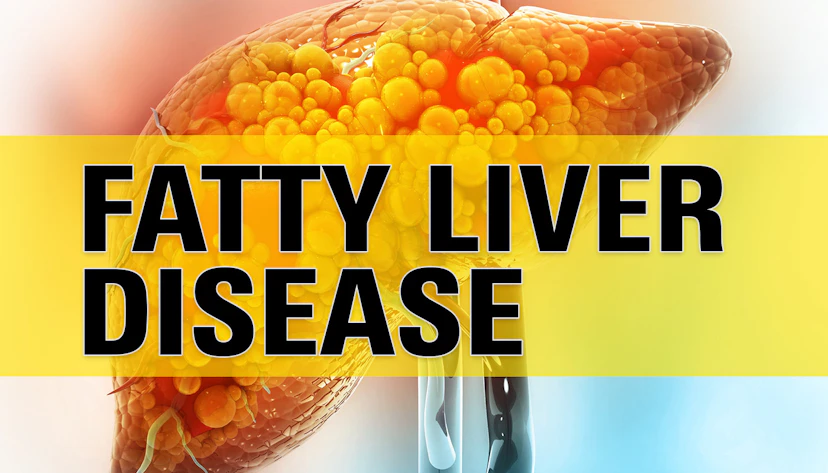
Fatty Liver Disease
Fatty liver disease is increasingly common—over 25%. It also impacts children, with prevalence rates ranging from 7% to 34%. This condition has important implications for overall health.
Read more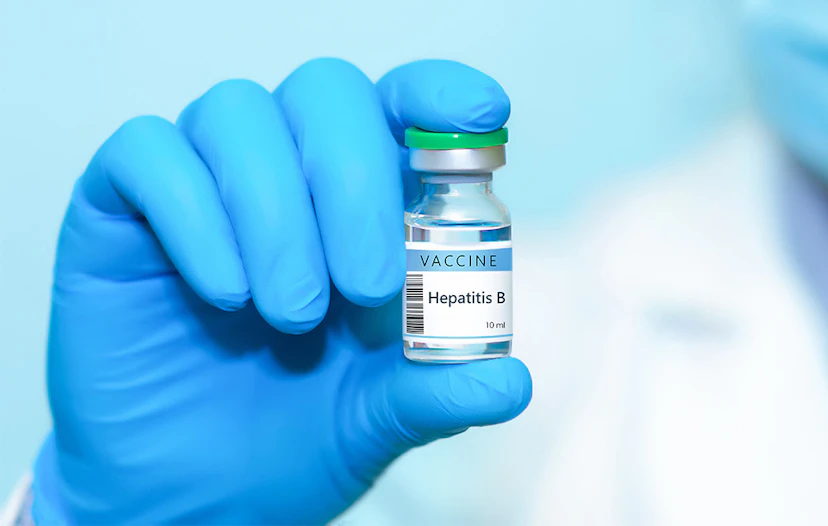
Hepatitis B
Hepatitis B is a viral infection that primarily affects the liver. It's caused by the hepatitis B virus (HBV). It spreads through contact with infected blood or body fluids, such as during unprotected sex, sharing needles, or from mother to baby at birth.