Questions? Call us at 800-810-7790

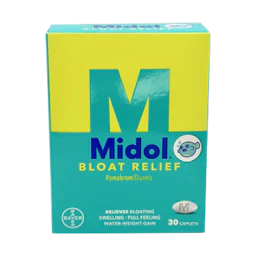
- Menorrhagia is abnormally heavy or prolonged menstrual bleeding that can interfere with daily life.
- Common symptoms include excessive bleeding, frequent pad/tampon changes, prolonged periods, passing large blood clots, anemia, and pelvic pain.
- Risk factors include age (adolescents and perimenopausal women), hormonal imbalances (e.g., PCOS, thyroid disorders), family history, lifestyle factors, pregnancy complications, and certain medical conditions.
- Treatment options vary based on the cause and severity, including NSAIDs, hormonal therapy, tranexamic acid, procedures like endometrial ablation, uterine artery embolization, myomectomy, and in severe cases, hysterectomy.
- Prevention is limited, but maintaining a healthy lifestyle and using hormonal birth control can help in some cases.
Overview
Menorrhagia is a medical term for abnormally heavy or prolonged menstrual bleeding. This condition can significantly interfere with a woman’s quality of life. Typically, a menstrual period lasts about 3 to 7 days. However, in cases of menorrhagia, periods often extend beyond 7 days and involve much heavier bleeding than usual. The duration and severity of menorrhagia can vary from person to person, depending on the underlying cause and the effectiveness of any treatments being used.
Prevalence
Menorrhagia is a common condition in the United States, affecting a substantial proportion of women of reproductive age. Estimates suggest that between 10% and 30% of women experience some level of menorrhagia during their menstrual cycles. The severity of menorrhagia can vary widely among individuals. While some women may experience mild to moderate symptoms, others may face more severe and incapacitating episodes of heavy bleeding.
Symptoms
Menorrhagia is characterized by several noticeable signs and symptoms. While the severity of these symptoms can vary greatly from person to person, some common indicators include:
- Excessive Bleeding: his is the primary symptom of menorrhagia. It involves significantly heavier menstrual bleeding than what is considered normal for the individual. This often means soaking through tampons or pads quickly, frequently within an hour or two.
- Frequent Pad or Tampon Changes: Women with menorrhagia often need to change their sanitary protection every hour or two during the heaviest flow days of their period.
- Prolonged Periods: Menstrual bleeding that lasts longer than seven days is a common characteristic of menorrhagia.
- Passing Blood Clots: Women experiencing menorrhagia may pass blood clots during their period, some of which may be larger than a quarter.
- Anemia: Due to prolonged heavy bleeding, anemia can develop. Symptoms of anemia include fatigue, weakness, pale skin, and shortness of breath.
- Pelvic Pain or Discomfort: While not always present, some women with menorrhagia experience pelvic pain or discomfort during their period.
- Restriction of Activities: The heavy bleeding and associated symptoms can interfere with normal activities, work, school, and social life, causing significant inconvenience and distress..
The experience of menorrhagia can vary widely. Some women may have only a few of these symptoms, while others may experience multiple symptoms that significantly impact their overall well-being.
Risk Factors
Several factors can increase a woman's risk of developing menorrhagia. It's important to note that having a risk factor doesn't guarantee the development of the condition, and many women with menorrhagia have no identifiable cause.
- Age: Women at the beginning or end of their reproductive years, such as adolescents and those approaching menopause (perimenopausal women), are more likely to experience menstrual irregularities, including heavy bleeding.
- Hormonal Changes: Conditions affecting hormone levels, such as polycystic ovary syndrome (PCOS) or thyroid disorders, can contribute to menorrhagia.
- Family History: A family history of menorrhagia or bleeding disorders may increase the risk.
- Lifestyle Factors: Extreme stress, significant weight fluctuations (including obesity), and excessive physical activity can disrupt the menstrual cycle and potentially lead to heavier bleeding.
- Pregnancy Complications: Complications such as miscarriage or ectopic pregnancy can cause heavy bleeding that may resemble a menstrual period.
- Medical Conditions: Certain medical conditions, including liver or kidney disease, can affect hormone balance and menstrual regularity.
- Uterine Fibroids and Polyps: These non-cancerous growths in the uterus can cause heavy bleeding.
- Adenomyosis: This condition occurs when the uterine lining tissue grows into the muscular wall of the uterus, leading to heavy bleeding.
Although these risk factors can increase the likelihood of experiencing menorrhagia, not all women with these risk factors will develop the condition. There are numerous instances of menorrhagia without a discernible cause, a condition referred to as idiopathic menorrhagia.
Treatment
The treatment for menorrhagia depends on several factors, including the underlying cause, severity of symptoms, and the woman's age and desire for future fertility.
Medical Treatments
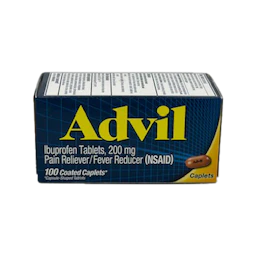
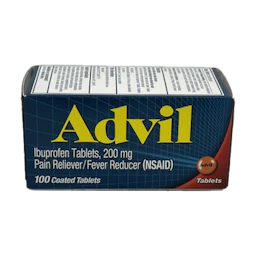
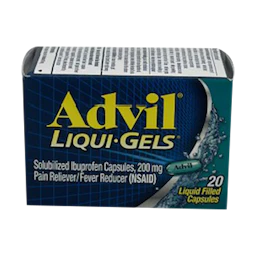
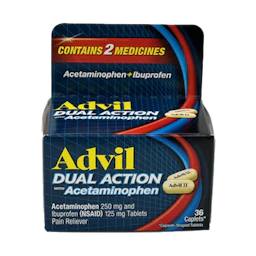
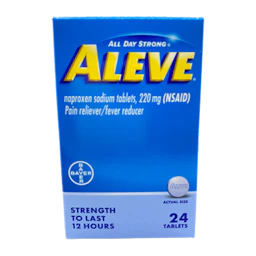
- Nonsteroidal Anti-Inflammatory Drugs (NSAIDs): Over-the-counter NSAIDs like ibuprofen can help reduce menstrual bleeding and alleviate associated pain.
- Hormonal Therapies: Birth control pills, hormonal injections, or intrauterine devices (IUDs) containing hormones can regulate menstrual cycles and reduce bleeding. These are often effective for hormonal imbalances or conditions like PCOS.
- Tranexamic Acid: This antifibrinolytic medication helps reduce excessive bleeding during menstruation by preventing the breakdown of blood clots in the uterus.
Procedural Treatments
- Endometrial Ablation: This minimally invasive procedure removes or destroys the lining of the uterus, significantly reducing or eliminating heavy bleeding. It is not suitable for women desiring future pregnancy.
- Uterine Artery Embolization (UAE): This procedure blocks blood vessels supplying the uterus, often used for fibroid-related menorrhagia.
- Myomectomy: Surgical removal of uterine fibroids may be considered if fibroids are the underlying cause of menorrhagia. This procedure preserves the uterus and is an option for women who want to maintain fertility.
- Hysterectomy: In severe cases when other treatments have failed or are not appropriate, a hysterectomy (removal of the uterus) may be recommended. This is a permanent solution and is typically reserved for situations where no other option is viable or when there is a serious medical concern.
Other Treatments
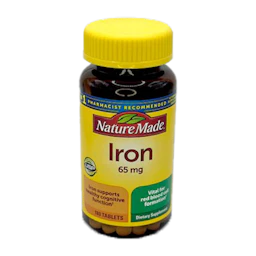
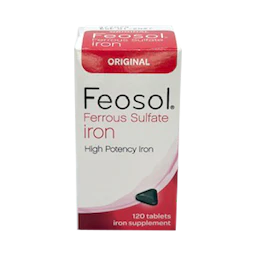
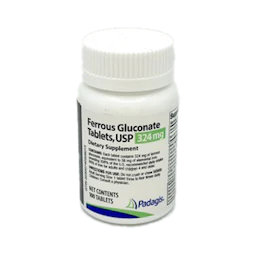
- Iron Supplements: For women with anemia resulting from chronic heavy bleeding, iron supplements may be prescribed to correct the iron deficiency.
- Treatment of Underlying Conditions: If menorrhagia is caused by an underlying medical condition, such as uterine fibroids or adenomyosis, treating that condition can help alleviate heavy bleeding.
Selecting an appropriate treatment plan relies on several factors, such as the underlying cause of your condition, your age, your future fertility plans, and your overall health. It’s important to seek professional guidance by consulting with your doctor, which will involve a comprehensive evaluation and a discussion of available treatment options.
Prevention
While it's not always possible to completely prevent menorrhagia, adopting certain lifestyle practices and considering specific treatment options can help reduce its severity or frequency.
- Lifestyle Factors: Maintaining a healthy weight, engaging in regular exercise, and following a balanced diet can contribute to overall reproductive health and potentially decrease the risk of severe menstrual bleeding.
- Hormonal Birth Control: Certain hormonal birth control methods, such as birth control pills, can help regulate menstrual cycles and reduce bleeding for some individuals.
However, the effectiveness of these preventive measures varies from person to person. It’s essential to consult with your healthcare provider for personalized advice and management if you are experiencing menorrhagia or have concerns about your menstrual health.
Related Topics
8 Signs You Could Have Polycystic Ovary Syndrome
The cysts seen in PCOS are small follicles in the ovaries that have not developed properly and contain immature eggs. They are a result of disrupted hormone levels that can contribute to irregular menstrual cycles.
Read more
Hormonal vs Non-Hormonal Birth Control: Which is For Me?
There are two main types: combination and progestin-only. Combination hormonal birth control combines estrogen and progesterone, while progestin-only methods do not contain estrogen.
Read more
Anemia
Anemia is a medical condition characterized by a lack of hemoglobin (Hgb), hematocrit (Hct), or red blood cells (RBC), resulting in reduced oxygen-carrying capacity to your muscles, organs, and other tissues.
Read more