Questions? Call us at 800-810-7790

- Ovarian cysts are fluid-filled sacs that develop on or inside the ovaries.
- Most cysts are harmless and resolve on their own without causing symptoms. The majority of ovarian cysts are not cancerous.
- Common types include functional cysts, endometriomas, dermoid cysts, and cystadenomas.
- Complications can include rupture, ovarian torsion, infection, and impact on fertility.
- Treatment options range from monitoring and medications to surgical interventions, depending on the cyst type and symptoms.
- Regular pelvic exams can help detect ovarian cysts early and manage potential complications.
Overview
Ovarian cysts are fluid-filled sacs that develop on or inside the ovaries, which are part of the female reproductive system. They are common and usually form during ovulation, when the ovary releases an egg each month. Most ovarian cysts are harmless and go away on their own without causing symptoms.
However, about 5-10% of women with ovarian cysts may require surgical intervention. Additionally, some cysts can cause symptoms such as pain, bloating, or pressure in the lower abdomen. In rare cases, ovarian cysts can be cancerous, particularly in postmenopausal women.
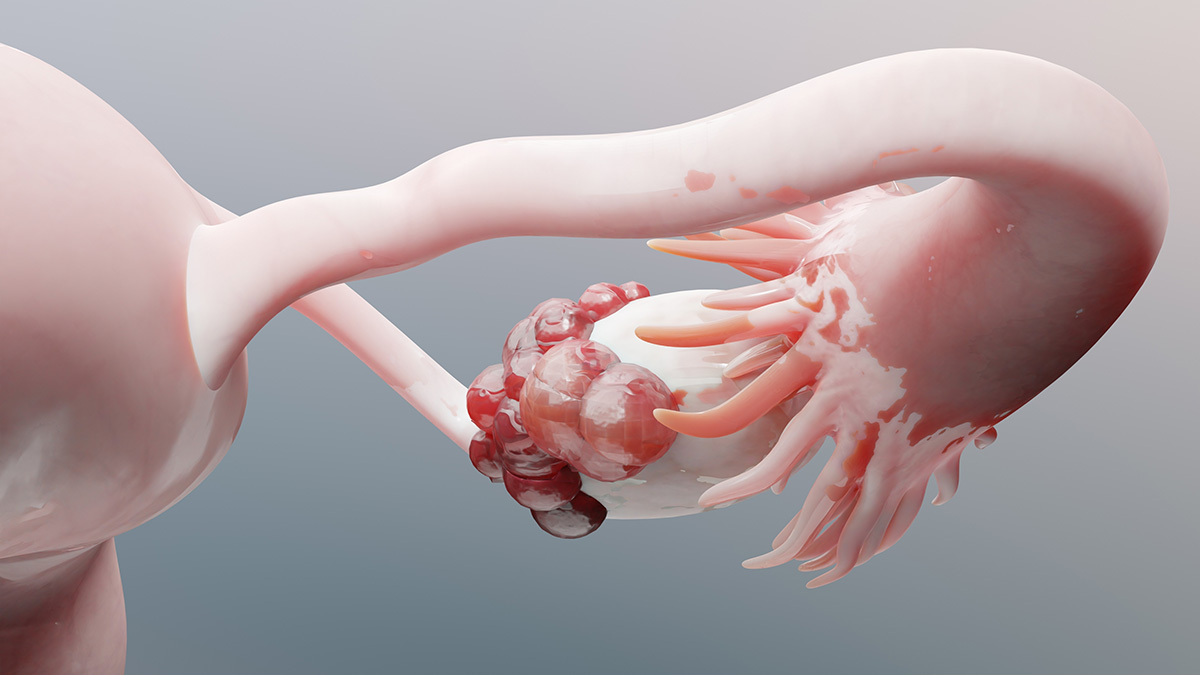
Ovarian cysts are usually diagnosed during a pelvic exam or ultrasound. Treatment depends on the type of cyst, your age, and your symptoms. Most cysts go away on their own without treatment. However, surgery may be necessary if the cyst is large, doesn't go away, or is cancerous.
Types of Ovarian Cysts
Functional Cysts

Functional cysts are the most common type, occurring as part of the normal menstrual cycle. Each month, an egg develops within a small, fluid-filled sac called a follicle. Functional cysts form when this normal process is disrupted.
- Follicular Cysts: Form when a follicle does not release an egg during ovulation and continues to grow. They are usually painless, small, and tend to disappear on their own within a few menstrual cycles.
- Corpus Luteum Cysts: After releasing an egg, the follicle becomes a structure called the corpus luteum, which produces hormones for early pregnancy. If the corpus luteum does not shrink properly, it can fill with fluid and form a cyst. These may cause pelvic pain but often resolve without treatment.
Endometriosis

Develop in women with endometriosis, a condition where tissue similar to the uterine lining grows outside the uterus. These cysts are filled with thick, dark blood, giving them the nickname "chocolate cysts." They can cause chronic pelvic pain, especially during menstruation or sexual activity, and may affect fertility.
Dermoid Cysts (Teratomas)

These cysts develop from embryonic cells and can contain various tissues like hair, skin, teeth, or fat. Dermoid cysts are typically benign and grow slowly, but they may require surgical removal if they become large or cause symptoms such as pain or pressure.
Cystadenomas
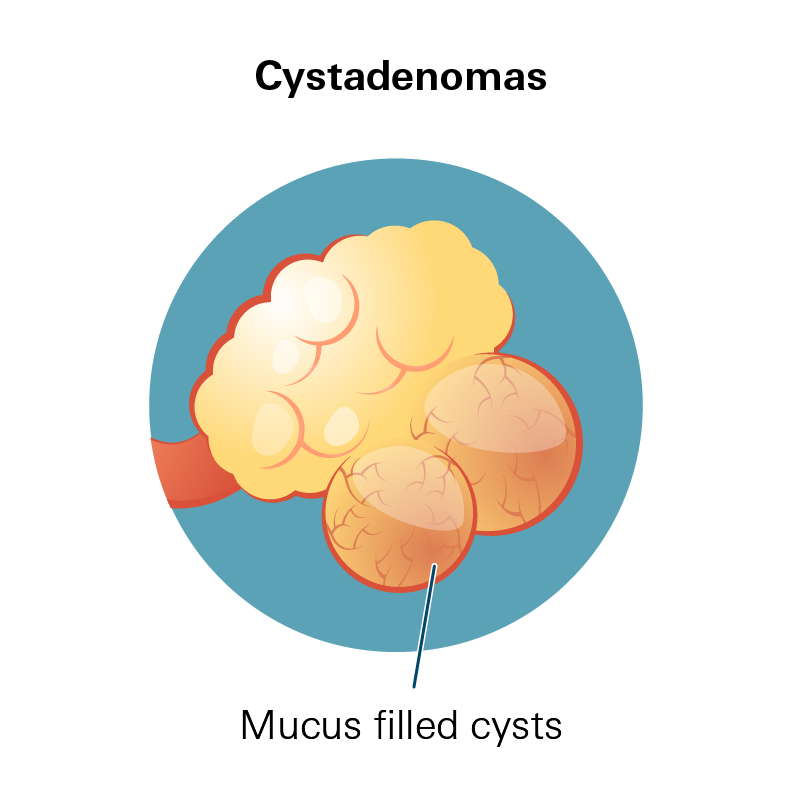
These are growths on the ovary's surface that can develop due to cellular changes and may fill with fluid or mucous-like material.
- Serous Cystadenomas: Filled with a watery fluid, these cysts are usually small and benign.
- Mucinous Cystadenomas: Filled with a thicker, mucous-like fluid, these can grow to a very large size and may require surgical removal to prevent complications. While generally non-cancerous, they should be monitored closely.
Polycystic Ovaries

Commonly seen in polycystic ovary syndrome (PCOS), these cysts are caused by hormonal inbalances. Unlike other types of cysts, the small, fluid-filled sacs seen in PCOS are immature follicles that do not release eggs during ovulation. While these follicles are not harmful individually, PCOS can lead to symptoms such as irregular periods, excessive hair growth, acne, and difficulties with fertility.
It's important to note that having polycystic ovaries doesn't automatically mean you have PCOS. PCOS is diagnosed based on a combination of symptoms and hormonal testing.
Pathological Cysts

These are less common.
- Benign Cysts: These can grow on or within the ovary and may require removal, especially if they cause pain or grow significantly.
- Malignant Cysts (Ovarian Cancer): Although rare, ovarian cancer can sometimes present as cysts. These require immediate medical evaluation and treatment.
Symptoms
Most ovarian cysts do not cause symptoms and are only discovered during routine exams. However, when symptoms occur, they may include the following:
- A dull or sharp ache or pain in your pelvic region.
- Bloating or abdominal fullness.
- Pain during intercourse.
- Changes in the menstrual cycle, including irregular periods, heavier bleeding, or spotting.
- Frequent urination, which is generally caused by a larger cyst pressing on your bladder.
- Sudden, severe pain: This could indicate a ruptured cyst or ovarian torsion, which is a twisting of the ovary, and requires immediate medical attention.
- Nausea or vomiting, which is often associated with severe pain or ovarian torsion.
- Back or thigh pain, and can radiate to other areas of the body.
- Feeling full quickly due to a larger cyst pressing on your stomach, causing a sensation of fullness after eating only a small amount.
Causes
Ovarian cysts can form for several reasons, often associated with normal hormonal changes during the menstrual cycle. The most common cause is the development of functional cysts, which occur as part of the ovary’s natural process of preparing and releasing an egg.
Each month, an egg develops within a small, fluid-filled sac called a follicle. In some cases, the follicle may fail to release the egg, or after releasing the egg, it may not shrink as it should. This leads to the formation of either a follicular cyst or a corpus luteum cyst. Both types are generally harmless and resolve on their own.
Other causes of ovarian cysts are less common but include underlying conditions.
- Endometriosis can lead to the formation of endometriomas, where tissue similar to the lining of the uterus grows outside the uterus and forms cysts filled with blood.
- Hormonal imbalances, such as those seen in PCOS, can result in the presence of multiple small, underdeveloped follicles on the ovaries.
- Cystadenomas, growths on the ovary’s surface, can develop due to cellular changes and may fill with fluid or mucous-like material.
- Infections in the pelvic area can also result in abscesses or cyst-like structures near the ovaries.
Ovarian Cysts vs. PCOS
Ovarian cysts and Polycystic Ovary Syndrome (PCOS) are often confused, but they are distinct conditions.
Ovarian Cysts
- Fluid-filled sacs that develop on or inside the ovaries.
- Usually harmless and often form as a normal part of the menstrual cycle.
- Many cysts go away on their own without causing issues, but some can grow larger, cause pain, or require medical attention.
PCOS
- A hormonal condition affecting how the ovaries work.
- Women with PCOS often have multiple small, immature follicles on their ovaries that are mistaken for cysts, but these are not true cysts.
- Caused by hormonal imbalances leading to irregular periods, increased levels of androgens (male hormones), and symptoms such as excess hair growth, acne, weight gain, and fertility challenges.
- Linked to insulin resistance.
Key Differences
- Ovarian cysts are individual growths that may come and go, while PCOS is a long-term condition affecting hormone levels and ovulation.
- A woman can have ovarian cysts without having PCOS, and not all women with PCOS will develop large cysts.
Since PCOS is a hormonal disorder rather than a condition caused by cysts themselves, treatment focuses on managing hormone levels rather than removing cysts.
Diagnosis
Ovarian cysts are discovered during a routine pelvic exam or when discussing symptoms such as pelvic pain, bloating, or irregular periods. A gynecologist, a doctor specializing in women's reproductive health, typically diagnoses and manages ovarian cysts. They may use several tools and tests to confirm the presence of a cyst and determine its size, type, and whether treatment is necessary.
Possible tests may include the following:
- Pelvic ultrasound: This is the most common diagnostic tool, using sound waves to create images of the ovaries. It helps determine the cyst's size, and shape, and whether it is fluid- filled, solid, or mixed.
- Blood tests: If there’s concern about the cyst being cancerous or related to a hormonal imbalance, blood tests, such as a CA-125 test, may be ordered.
- Laparoscopy: A procedure where a small camera is inserted into the abdomen through a small cut to directly view the ovaries. It can also be used to treat the cyst if needed.
- Pregnancy test: To rule out pregnancy-related cysts, such as a corpus luteum cyst, a pregnancy test may be performed.
Risk Factors
While ovarian cysts can develop in any woman with ovaries, certain factors may increase the likelihood of their formation, including the following:
- Hormonal imbalances: Conditions that affect hormone levels, such as PCOS, can increase your risk of developing multiple small cysts on your ovaries.
- Pregnancy: Some ovarian cysts, like corpus luteum cysts, are more likely to form during pregnancy as the body supports early fetal development.
- Endometriosis: Women with endometriosis have a higher chance of developing endometriomas, which are cysts formed when uterine-like tissue grows outside the uterus.
- History: Women who have had ovarian cysts in the past may be more prone to developing them again.
- Pelvic infections: Severe infections that spread to the ovaries and fallopian tubes can increase your risk of cyst formation.
- Fertility treatments: Medications that stimulate ovulation, such as Clomid, can lead to the formation of multiple cysts.
- Age: While ovarian cysts can occur at any age, functional cysts are more common in women of reproductive age due to their connection with the menstrual cycle.
Complications
While most ovarian cysts are harmless and disappear on their own, some can lead to complications that require medical attention, and in certain cases, immediate treatment. These complications include:
- Rupture: When an ovarian cyst bursts, it can cause sudden, sharp pelvic pain, often accompanied by abdominal bloating or bleeding. Depending on the size and type of cyst, a rupture may lead to internal bleeding and require emergency care.
- Ovarian Torsion: Large cysts can cause the ovary to twist around the surrounding tissues, cutting off its blood supply. This condition leads to severe abdominal pain, nausea, and vomiting, and is considered a medical emergency that typically requires surgery to untwist or remove the ovary.
- Infection: In rare cases, an ovarian cyst may become infected, especially if caused by a pelvic infection. This can result in fever, severe pelvic pain, and the risk of the infection spreading to other areas of the body.
- Impact on Fertility: Certain types of ovarian cysts, such as endometriomas and cysts caused by PCOS, can affect fertility. Endometriomas are associated with endometriosis, which may cause scarring and interfere with the reproductive organs.
- Cancer: Although rare, some ovarian cysts can be cancerous. The risk of malignancy is higher in women who are postmenopausal or have a family history of ovarian cancer.
Ovarian Cysts and Fertility
Ovarian cysts can impact fertility, but this depends on their type and underlying cause.
- Endometriomas can lead to scarring and inflammation that may damage the ovaries or fallopian tubes, making conception more difficult.
- PCOS is a hormonal condition that affects ovulation, often leading to irregular cycles or anovulation, which can make pregnancy harder without medical intervention.
- Large or complex cysts may also impact fertility by affecting ovarian function, and cysts caused by pelvic infections can lead to scarring that blocks the fallopian tubes.
Despite these potential challenges, many women with ovarian cysts can still conceive. Functional cysts are typically not a problem, and even women with PCOS or endometriosis can get pregnant with appropriate treatment.
Medications that stimulate ovulation, such as Clomid, can help women with PCOS, while surgical removal of endometriomas or cysts caused by scarring may improve fertility outcomes.
In cases where large cysts interfere with ovulation or ovarian function, your gynecologist may recommend monitoring or surgical intervention if necessary.
If you’re trying to conceive and ovarian cysts are present, a fertility specialist or gynecologist can provide guidance on the best approach based on your condition and reproductive health.
Treatment
Many ovarian cysts don't require treatment and resolve on their own. However, when intervention is necessary, several options are available:
- Watchful Waiting: If the cyst is small, causes no symptoms, and appears benign, your doctor may recommend monitoring it with periodic ultrasounds to check for changes. This approach is common for functional cysts, as they often disappear within a few menstrual cycles.
- Medications
- Hormonal Birth Control: Birth control pills or other hormonal contraceptives may be prescribed to regulate the menstrual cycle and help prevent new cysts from forming. They don't shrink existing cysts but can reduce the risk of future ones.
- Pain Relievers: Over-the-counter or prescription pain medications can be used to manage discomfort associated with cysts.
- Surgery
- Laparoscopy: If a cyst is large, causing symptoms, or suspected to be cancerous, a laparoscopic procedure may be performed to remove it. This minimally invasive surgery uses small incisions and a camera to guide the procedure, resulting in less pain and quicker recovery. This option is often used for dermoid cysts, endometriomas, or other non-cancerous cysts that don't resolve on their own.
- Laparotomy: In cases where the cyst is very large or cancer is suspected, open surgery (laparotomy) may be necessary to remove the cyst or ovary. This procedure involves a larger incision and a longer recovery period. If malignancy is confirmed, additional treatment, such as chemotherapy, may be needed.
- Treating Underlying Conditions: If the cyst is caused by an underlying condition like endometriosis or PCOS, managing the root cause is essential. For example, hormonal treatments or lifestyle changes may help with PCOS-related cysts, while endometriosis may require additional surgical or medical interventions.
- Emergency Treatment: For complications like a ruptured cyst or ovarian torsion, emergency surgery may be needed to stop internal bleeding, repair damage, or untwist the ovary.
Prevention
There is no certain way to prevent ovarian cysts, but some measures may help lower your chances of developing them, especially those caused by hormonal imbalances or underlying conditions.
Since functional cysts form as a natural part of the menstrual cycle, they often cannot be avoided entirely. However, hormonal birth control is sometimes used to regulate ovulation and reduce your risk of new cysts forming.
Managing conditions such as PCOS or endometriosis with appropriate treatments may also help minimize cyst-related complications.
Regular check-ups with your gynecologist can help detect changes in the ovaries early, allowing for timely monitoring or treatment if needed.
Related Topics
8 Signs You Could Have Polycystic Ovary Syndrome
PCOS is primarily caused by an imbalance of hormones, specifically high levels of androgens (male hormones) and insulin. This hormonal imbalance disrupts the normal functioning of the ovaries.
Read moreWhat You Need to Know About Endometriosis?
Endometriosis is a painful, chronic condition defined by the presence of tissue similar to the uterine lining (endometrium) growing outside the uterus.
Read moreManaging Endometriosis: Navigating the Path to Diagnosis and Treatment
Endometriosis is a significant medical concern due to its widespread prevalence, impact on the lives of biological women, diagnostic challenges, association with infertility, ongoing research needs, and the importance of advocacy and support.
Read more