Questions? Call us at 800-810-7790

- The menstrual cycle prepares the uterus for a potential pregnancy each month. If pregnancy does not occur, the uterine lining sheds, resulting in a period.
- The cycle includes four main phases: menstrual, follicular, ovulation, and luteal. It typically lasts about 28 days, but can range from 21 to 35 days.
- Hormones like estrogen and progesterone regulate the cycle.
- Regular cycles are a sign of overall health, while irregularities can indicate potential health issues.
Overview
The menstrual cycle is a natural monthly process where the uterus prepares for a possible pregnancy. If pregnancy doesn't occur, the thickened lining of the uterus is shed, which is known as menstruation or a "period."
This cycle typically begins during puberty, usually between the ages of 10 and 15, but it can start as early as 8 or as late as 16.
Throughout the cycle, hormones trigger the ovaries to release an egg. At the same time, these hormones cause the uterine lining to thicken, preparing to support a fertilized egg.
If the egg isn't fertilized, the body no longer needs the thickened lining. It breaks down and is released from the body as menstrual bleeding.
The menstrual cycle starts on the first day of a period and usually lasts about 28 days, though it can be shorter or longer.
The menstrual cycle is important not only for reproduction but also as an indicator of overall health. Changes in the cycle can signal potential health issues, including hormonal imbalances.
Phases of the Menstrual Cycle
The menstrual cycle is a complex process involving four main phases, each playing a vital role in preparing the body for potential pregnancy:

Menstrual Phase (Period)
This phase begins on the first day of menstruation and lasts 3 to 7 days. During this time, the thickened uterine lining, called the endometrium, is shed because pregnancy did not occur, and flows out of the vagina.
During this phase, levels of estrogen and progesterone are at their lowest. The drop in these hormones signals the brain to start the next phase of the cycle.
Follicular Phase
This phase starts on the first day of the cycle and overlaps with the menstrual phase.
- The pituitary gland in the brain releases follicle-stimulating hormone (FSH), which signals the ovaries to begin developing several follicles. Each follicle contains an immature egg.
- One follicle typically becomes dominant and matures, while the others stop growing. As the dominant follicle grows, it produces estrogen, which helps rebuild and thicken the uterine lining to prepare it for a potential pregnancy.
- The rise in estrogen also sends feedback to the brain, suppressing FSH to prevent multiple eggs from maturing at the same time.
Ovulation Phase
Around the middle of the cycle, a surge of luteinizing hormone (LH) from the pituitary gland triggers ovulation, the release of a mature egg from the ovary. This egg travels into the fallopian tube, where it can be fertilized by sperm.
- The LH surge is a direct response to the high estrogen levels produced by the mature follicle. FSH levels also briefly increase during this phase to support ovulation.
- This phase is the most fertile time of the cycle.
Luteal Phase
After ovulation, the empty follicle in the ovary transforms into a structure called the corpus luteum. The corpus luteum produces progesterone, which works to maintain the thickened uterine lining in case pregnancy occurs.
- Estrogen levels also remain elevated but are lower than in the follicular phase.
- If the egg is not fertilized, the corpus luteum breaks down after about 10 to 14 days. As it breaks down, progesterone and estrogen levels drop, causing the uterine lining to shed, which marks the beginning of a new cycle.
Menstrual Cycle Changes Throughout Life
The menstrual cycle evolves throughout a woman's life, with age-related changes being common:
- Adolescence: During the first few years after menstruation begins, cycles are often irregular as the body adjusts to hormonal changes. Periods may vary in length or heaviness but stabilize over time.
- Reproductive Years: During this phase, cycles are generally more predictable, lasting between 21 and 35 days. Factors such as pregnancy, birth control, or medical conditions may temporarily disrupt this pattern.
- Perimenopause and Menopause: In the years leading up to menopause, hormone levels fluctuate, causing cycles to become irregular. Women may experience missed periods, heavier or lighter bleeding, and symptoms such as hot flashes. Menopause is confirmed when periods stop entirely for 12 months.
Symptoms
Symptoms during the menstrual cycle can vary, but many women experience physical and emotional changes due to hormonal shifts.
Common Symptoms
- Cramps: Mild to severe abdominal pain caused by the uterus contracting to shed its lining.
- Mood Changes: Irritability, sadness, heightened emotions, or mood swings related to hormonal shifts.
- Fatigue: A feeling of tiredness or low energy, often linked to hormonal changes or blood loss.
- Bloating: A feeling of fullness or swelling, particularly in the abdomen, due to fluid retention.
- Breast Tenderness: Sensitivity or discomfort in the breasts, often occurring in the days leading up to menstruation.
- Headaches or Migraines: Hormone-related pain that can occur before or during menstruation.
- Acne: Skin changes triggered by hormonal fluctuations during the cycle.
Symptoms That May Indicate a Problem
- Severe Pain: Intense cramps that don't respond to over-the-counter pain relievers.
- Heavy Bleeding: Menstrual flow so heavy that you need to change pads or tampons every hour, or bleeding that includes large clots.
- Irregular Bleeding: Spotting or bleeding between periods, or any bleeding after menopause.
- Missed Periods: Skipping periods without being pregnant or having another known cause.
- Severe Mood Changes: Depression, anxiety, or mood swings that significantly affect your daily life.
- Severe Fatigue: Extreme or debilitating fatigue.
These symptoms could be linked to conditions such as endometriosis, fibroids, polycystic ovary syndrome (PCOS), or hormonal imbalances. If these occur, speaking with your doctor is recommended for further evaluation and management.
Fertility and the Menstrual Cycle
The menstrual cycle is crucial for fertility, as it prepares the body each month for a potential pregnancy.
- Ovulation: A key event in this process is ovulation, which occurs about halfway through the cycle. During ovulation, one of the ovaries releases a mature egg, which then travels into the fallopian tube.
- Fertilization: If sperm are present, the egg can be fertilized in the fallopian tube. This is why the days leading up to ovulation, along with the day of ovulation, are considered the "fertile window," the time when pregnancy is most likely to happen.
- Fertile Window: This fertile window usually lasts about 6 days because sperm can survive in the body for up to 5 days, while the egg is only viable for about 12 to 24 hours after ovulation.
Hormonal Role in Fertility
Hormones play a significant role in regulating the menstrual cycle and fertility:
- FSH: Follicle-stimulating hormone (FSH) helps the egg grow and mature inside the ovary.
- LH: Luteinizing hormone (LH) causes the egg to be released during ovulation.
- Estrogen: Estrogen helps thicken the uterine lining, creating a supportive environment for a fertilized egg to attach and grow.
- Progesterone: After ovulation, progesterone is released to maintain the thickened uterine lining in case pregnancy occurs.
Fertilization and Menstruation
- Fertilization: If the egg is fertilized, it will travel to the uterus and attach to the lining, beginning the early stages of pregnancy.
- Menstruation: If the egg is not fertilized, hormone levels drop, and the thickened lining of the uterus breaks down and is shed as a period, starting the cycle over again.
Irregular Menstrual Cycles
For some women, irregular menstrual cycles can make it harder to predict ovulation and the fertile window. Irregular cycles can be caused by various factors, including:
- PCOS: Polycystic ovary syndrome
- Thyroid Disorders
- Stress
These irregularities can create challenges for conception, as it becomes more difficult to determine the best time to try for pregnancy. In such cases, tools like period tracking apps, ovulation predictor kits, or monitoring changes in body temperature can help identify when ovulation is occurring.
Normal vs. Irregular Menstrual Cycles
Menstrual cycles vary from woman to woman, and even within the same woman, cycles can change over time.
A "normal" menstrual cycle typically lasts between 21 and 35 days, with menstrual bleeding lasting 3 to 7 days. However, some variations are common and don't necessarily indicate a problem.
Normal Menstrual Cycle Variations
- Cycle Length: A cycle may occasionally be shorter or longer than usual. Stress or changes in routine can temporarily affect cycle length.
- Flow: The amount of menstrual bleeding can vary from lighter to heavier.
- Symptoms: Menstrual symptoms like cramps, mood changes, or fatigue can differ in intensity or duration from cycle to cycle.
Normal Menstrual Cycle Variations
An irregular cycle is one that falls outside the normal range or varies significantly from month to month.
- Short Cycles (less than 21 days): These can be caused by hormonal imbalances or conditions like Polycystic Ovary Syndrome (PCOS).
- Long Cycles (more than 35 days): These are often linked to delayed ovulation or hormonal conditions such as thyroid disorders or PCOS.
- Skipped Periods (Amenorrhea): This can result from pregnancy, excessive exercise, significant weight loss, or stress.
- Heavy Bleeding: Excessive bleeding lasting longer than 7 days may indicate issues like uterine fibroids or hormonal imbalances.
- Spotting: This can be caused by hormonal fluctuations, contraceptives, or conditions like infections or uterine abnormalities.
Factors Influencing the Menstrual Cycle
Several factors can influence the regularity and characteristics of a woman's menstrual cycle.
- Polycystic Ovary Syndrome (PCOS): This hormonal condition causes the ovaries to produce higher levels of androgens (male hormones), disrupting normal ovulation. This often leads to irregular periods, missed cycles, or heavier bleeding. PCOS can also cause acne, weight gain, and increased hair growth.
- Endometriosis: In endometriosis, tissue similar to the uterine lining grows outside the uterus. This can result in painful periods, heavy bleeding, and spotting between cycles. Endometriosis may also cause chronic pelvic pain and fertility challenges.
- Amenorrhea (Absence of Menstruation): Primary amenorrhea occurs when menstruation hasn't started by age 15. Secondary amenorrhea refers to missed periods for three or more months after regular cycles have begun.
- Premenstrual Dysphoric Disorder (PMDD): A more severe form of premenstrual syndrome (PMS), PMDD involves intense emotional and physical symptoms, such as severe mood swings, depression, anxiety, and extreme fatigue. These symptoms can interfere with daily functioning and often require medical management.
- Poor Nutrition: Inadequate nutrition, extreme calorie restriction, or deficiencies in key nutrients can disrupt hormone levels and lead to irregular cycles or missed periods.
- Stress: High stress levels can affect the hormones that regulate the menstrual cycle, potentially delaying or causing missed periods. Chronic stress may also intensify symptoms like cramps or mood changes.
- Excessive Exercise: Intense or excessive exercise can suppress hormone production, leading to missed periods or lighter cycles. This is often seen in athletes or individuals with low body fat percentages.
Related Topics
8 Signs You Could Have Polycystic Ovary Syndrome
PCOS is primarily caused by an imbalance of hormones, specifically high levels of androgens (male hormones) and insulin. This hormonal imbalance disrupts the normal functioning of the ovaries.
Read more
What You Need to Know About Endometriosis?
Endometriosis is a painful, chronic condition defined by the presence of tissue similar to the uterine lining (endometrium) growing outside the uterus.
Read more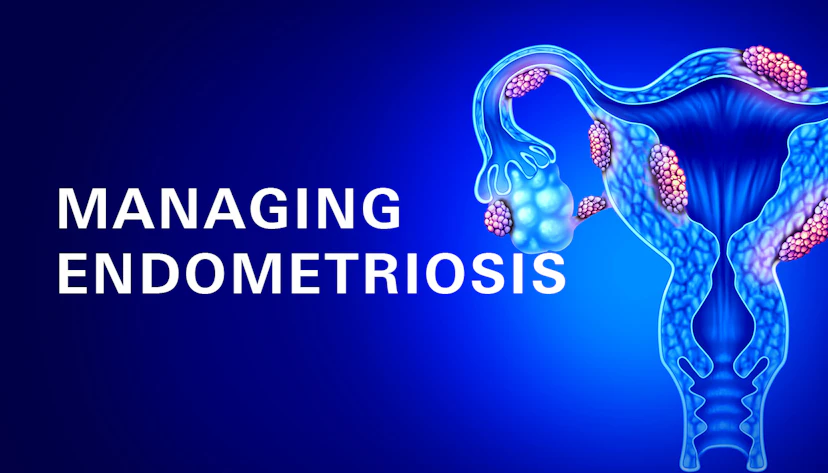
Managing Endometriosis: Navigating the Path to Diagnosis and Treatment
Endometriosis is a significant medical concern due to its widespread prevalence, impact on the lives of biological women, diagnostic challenges, association with infertility, ongoing research needs, and the importance of advocacy and support.
Read more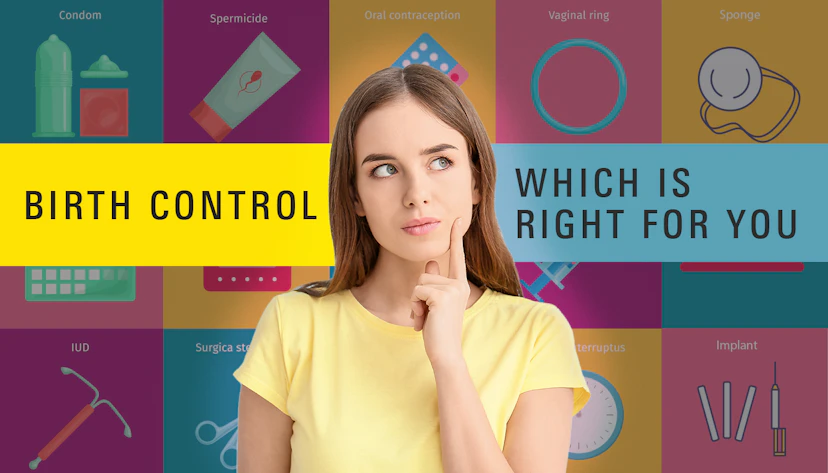
Types of Birth Control: Which Birth Control is Best?
Birth control is a form of contraception that is 99% effective at preventing pregnancy when taken regularly every day. There are various forms of birth control, including nonhormonal and hormonal.
Read more