Questions? Call us at 800-810-7790

- Shingles is a painful rash caused by the reactivation of the chickenpox virus, usually affecting one side of the body.
- About 1 in 3 people will get shingles, with risk increasing significantly after age 50 or in those with weakened immune systems.
- Early symptoms include tingling or burning, followed by a stripe of blisters that last 2–4 weeks.
- The rash is contagious only when blisters are present, and the fluid can spread chickenpox to unvaccinated individuals.
- The Shingrix vaccine is over 90% effective at preventing shingles and its complications and is recommended for adults 50+ or those with weakened immunity.
Overview
Shingles (herpes zoster) is a viral infection that causes a painful rash, usually appearing as a stripe of blisters on one side of the body. The condition is caused by the varicella-zoster virus, the same virus that causes chickenpox.
After someone recovers from chickenpox, the virus stays dormant in the nerve cells. It can reactivate years later as shingles, especially if the immune system becomes weaker.
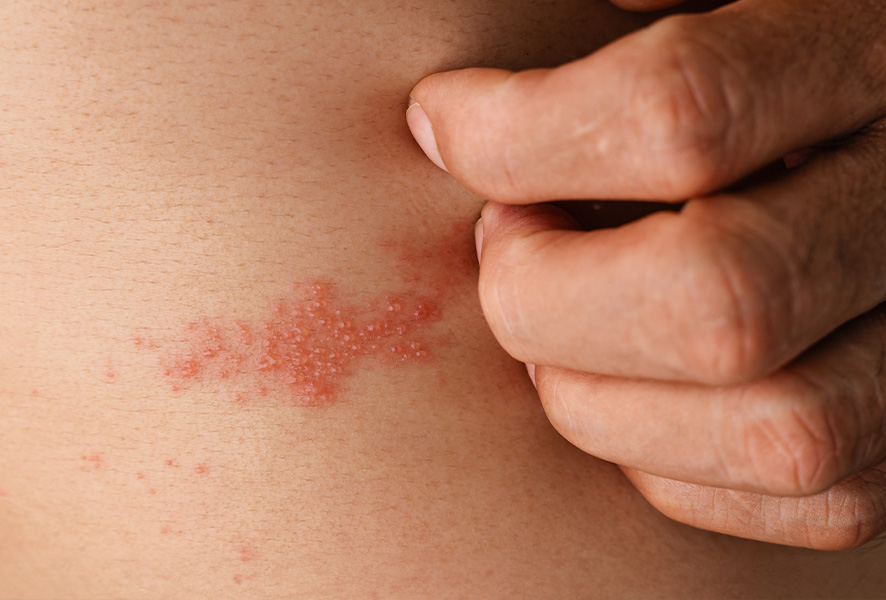
When VZV reactivates, it travels along the nerve, causing inflammation in both the nerve and the skin it supplies. The first symptom is typically a sensation of tingling, stinging, or numbness in a specific area of skin. This is followed by a line or cluster of small, clear blisters. The blisters will ooze, sting, and then crust over within about a week. A shingles outbreak generally lasts 2 to 4 weeks from the initial tingle to complete skin healing.
Why Does It Hurt So Much?
Shingles affects nerves, which is why the pain can be intense, even before the rash appears. Some people continue to feel pain long after the skin heals. This lingering pain is called post-herpetic neuralgia (PHN) and is the most common complication.
Who Can Get Shingles?
Anyone who has had chickenpox can develop shingles. This includes people who received the chickenpox vaccine, though their risk is much lower. You cannot get shingles if you have never had chickenpox or the chickenpox vaccine.
Prevalence
Shingles is fairly common. About 1 in 3 people in the United States will develop it during their lifetime. Each year, around 1 million new cases are reported.
The risk increases with age. After age 60, about 1 in 100 people will get shingles each year. By the time people reach their mid-80s, about half will have had at least one episode.
Shingles rarely causes death, fewer than 100 deaths occur each year in the U.S.—but it can still have a serious impact. The most common long-term problem is nerve pain that can last for months or even years after the rash heals.
Symptoms
Early Signs (Before the Rash)
Shingles often starts with unusual skin sensations in one small area, usually on one side of the body. This can happen 1 to 7 days before any rash appears. People often describe:
- Burning or tingling
- Sharp, stabbing pain
- Itching or numbness
Some may also feel tired, have a mild fever, or get a headache. These flu-like symptoms are not contagious.
The Rash Stage
- Where it appears: Usually on one side of the body, following the path of a single nerve. Common areas include the Where it appears: Usually on one side of the body, following the path of a single nerve. Common areas include the ribs, lower back, or face..
- How it develops:
- Starts as red, raised bumps
- Turns into clear, fluid-filled blisters within 1–2 days
- Blisters dry out and form scabs in 7–10 days
- How long it lasts: Most rashes heal in 2 to 4 weeks.
Pain and Nerve Symptoms
The affected nerve can keep sending pain signals even after the rash heals. This lingering pain, called postherpetic neuralgia (PHN), is the most common complication. Some people also report itching or a pins-and-needles feeling as the skin recovers.
Special Cases
If the rash appears near the eye (ophthalmic zoster) or ear (Ramsay Hunt syndrome), it can affect vision or hearing. These cases require urgent medical attention.
Is Shingles Contagious?
You can’t catch shingles from someone else. But the fluid in the blisters contains live virus. If it touches someone who has never had chickenpox or the chickenpox vaccine, it can give them chickenpox, not shingles.
When Are You Contagious?
- Only while blisters are present and open
- This period usually lasts 7 to 10 days
- Once all blisters have dried and scabbed, the virus is no longer contagious
What Spreads, and What Doesn’t
- Spreads: Fluid from open blisters
- Doesn’t spread: Redness, tingling, fever, or fatigue before the rash
- Prevention: Keep the rash covered. Avoid touching or scratching it. Wash your hands often.
Causes
Shingles is caused by the varicella-zoster virus (VZV), the same virus that causes chickenpox.
When you first get chickenpox, the virus stays in your body even after you recover. It hides in bundles of nerve cells near your spine, in areas called dorsal root ganglia. Years later, the virus can reactivate in one of those nerves and travel to the skin, causing shingles.
The fluid in the blisters contains live virus. If it touches someone who has never had chickenpox or the chickenpox vaccine, it can give them chickenpox, not shingles. Once the blisters dry and scab over, the person is no longer considered contagious.
Reactivation is more likely when the immune system is weakened. But in many cases, no clear trigger is found.
Who Is at Risk?
Shingles tends to appear when the immune system is under stress or not working at full strength. Common risk factors include:
- Age over 50: The immune system naturally weakens with age, making reactivation more likely.
- Weakened immunity: Conditions like cancer, HIV, or treatments like chemotherapy, steroids, or organ transplant medications can lower immune defenses.
- Major stress or recent illness: Physical or emotional stress can temporarily reduce immune function.
- Nerve trauma: Injury or surgery near a nerve can sometimes trigger shingles in that area.
Even if you don’t have these risk factors, shingles can still occur, but it’s less likely when your immune system is strong and healthy.
Complications
Most cases of shingles heal within a month, but the virus can sometimes cause lasting problems. Quick treatment helps lower the risk of these complications:
Post-Herpetic Neuralgia (PHN)
Even after the rash fades, the affected nerve can stay irritated. This can cause burning, throbbing, or numbness in the same area for months or even longer. PHN affects about 1 in 6 people with shingles and is more common in adults over 60, especially if the rash was large or very painful.
Eye Problems (Herpes Zoster Ophthalmicus)
If shingles appears on the eyelid, brow, or tip of the nose, the virus may have reached the eye. This can lead to swelling, blurred vision, or corneal damage. Any signs of eye involvement require same-day medical care to prevent vision loss.
Ear and Facial Problems (Ramsay Hunt Syndrome)
When shingles affects the ear or nearby facial nerves, it can cause:
- Facial weakness or paralysis
- Ringing in the ear (tinnitus)
- Hearing loss
- Vertigo (spinning sensation)
This condition (Ramsay Hunt syndrome) can lead to long-term facial or hearing issues if not treated quickly.
Widespread Rash
In people with weakened immune systems, shingles can spread beyond the original nerve area, affecting larger parts of the body. In rare instances, the virus can enter the bloodstream and reach organs like the lungs, brain, or liver, leading to serious conditions such as pneumonia, encephalitis (brain inflammation), or hepatitis (liver inflammation).
Skin Infection
Open blisters are vulnerable to bacterial infections. Signs of a secondary bacterial infection include the affected area becoming redder, warmer, and oozing, which indicates that antibiotics are needed.
Diagnosis
Shingles is usually diagnosed based on how the rash looks. A narrow strip of fluid-filled blisters that follows the path of a single nerve and stays on one side of the body is a strong clue. This pattern is called a dermatomal distribution.
Your provider will ask when symptoms started, whether the pain is on one side, and if you’ve had chickenpox. Often, a quick look at your skin and a few questions are all that’s needed. Lab tests are mainly used when the rash is faint, in a sensitive area (like the eye), or in patients with weakened immune systems.
When Tests Are Needed
If the rash is unusual, very mild, or hasn’t appeared yet, lab tests can help confirm the diagnosis. Your provider may:
- Swab a blister to test for varicella-zoster virus (VZV)
- Scrape the base of a blister for a rapid test
- Order a blood test to check for VZV antibodies
Special Cases
In children, teens, or young adults, shingles can be so mild it looks like bug bites or eczema. Without clear blisters, diagnosis can be tricky. Doctors may monitor the area or use lab tests. The same applies if symptoms are limited to tingling or pain without a rash.
Treatment
Antiviral medicines work best when started within 72 hours of the first tingle or rash. Early treatment can make the outbreak smaller, help blisters heal faster, and lower the risk of long-term nerve pain or eye complications.
- Acyclovir: 800 mg, 5 times a day for 7–10 days. Blocks viral DNA replication.
- Valacyclovir: 1 gram, 3 times a day for 7 days. Converts to acyclovir in the body.
- Famciclovir: 500 mg, 3 times a day for 7 days. Converts to penciclovir, which stops viral replication
Your provider will choose the best option based on cost, convenience, and your health needs.
Pain management: Antivirals target the virus, but you may still need pain relief as the skin heals. Options include over-the-counter pain relievers, cool compresses, or prescription nerve-pain medications.
Prevention
The best way to prevent shingles is with the two-dose Shingrix vaccine.
Who Should Get It?
- All adults age 50 and older, even if they’ve had shingles before
- Adults 19 and older with weakened immune systems due to illness or medications
Shingrix is highly effective. In adults 50–69, it reduces the risk of shingles by about 97%; in those 70 and older, by about 91%. It also lowers the chance of developing post-herpetic neuralgia, the most common and painful complication.
How to Get It
Shingrix is given as two injections. For most people, the second dose is administered 2 to 6 months after the first. If your immune system is already weak, your doctor might shorten this gap to 1 to 2 months.
What the Shot Does (and Doesn't Do)
The vaccine trains your immune system to recognize and fight the varicella-zoster virus before it can reactivate and cause shingles.
It does not prevent you from getting chickenpox for the first time, but it greatly reduces the chance of shingles developing later in life.
Related Topics
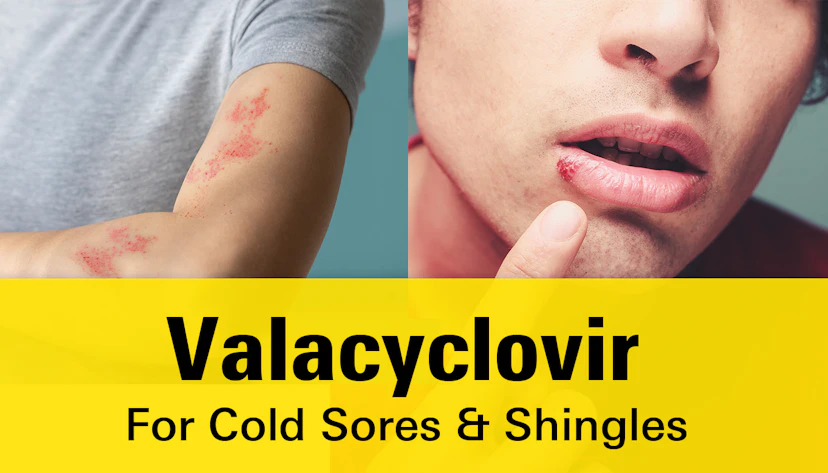
Valacyclovir: A Medication to Treat Cold Sores and Shingles
Valacyclovir, commonly known by its brand name Valtrex, is an antiviral medication that helps manage infections caused by specific types of viruses. It is used to treat several viral infections, with treatment guidelines varying between adults and children.
Read more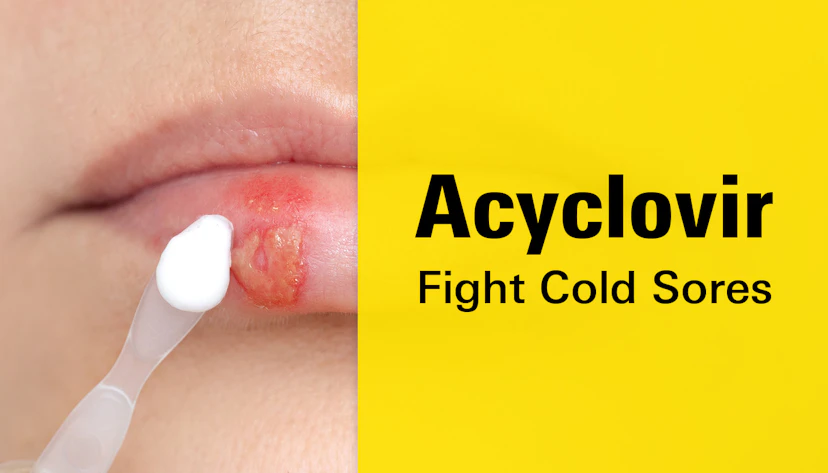
Acyclovir Cream
Acyclovir cream is a topical medication used to treat cold sores. It is one of several treatment options for cold sores, which also include oral medications.
Read more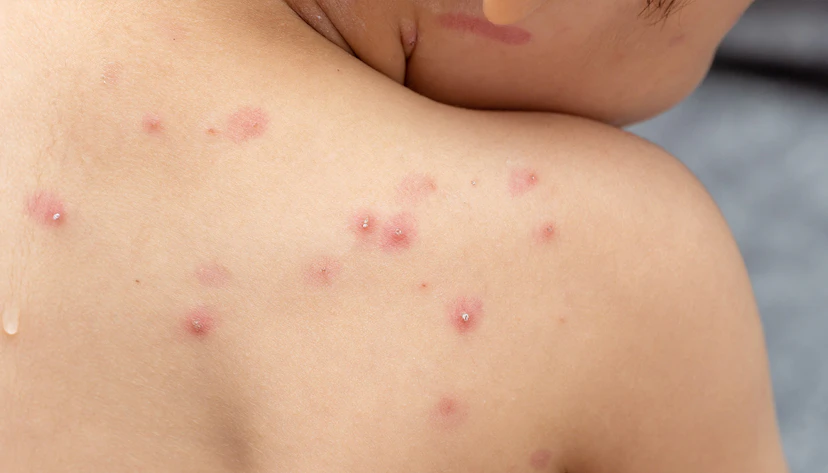
What you need to know about chickenpox
Chickenpox is a highly contagious illness primarily affecting children, caused by the varicella-zoster virus (VZV). However, adults who have not been infected or vaccinated are also at risk of contracting the disease.
Read more