Questions? Call us at 800-810-7790

- Thrombophilia is a condition where your blood forms clots too easily, even without injury.
- Clots can form in veins (like in the leg) and potentially travel to the lungs (pulmonary embolism), which is a medical emergency. Clots in arteries can cut off blood flow to the heart or brain.
- Thrombophilia can be inherited or acquired later in life due to other conditions or lifestyle factors. Many people with thrombophilia never experience a clot.
- Risk factors for clotting include family history, pregnancy, obesity, smoking, and long periods of immobility. Certain medications and medical conditions can also increase your risk.
- Symptoms of a clot depend on its location. Leg pain and swelling for DVT; sudden shortness of breath and chest pain for a PE.
- Treatment often involves blood-thinning medications to prevent or manage clots. Lifestyle changes, like staying active and maintaining a healthy weight, are also important for prevention.
Overview
Thrombophilia is a condition where your blood has an increased tendency to form blood clots. Normally, blood clots are a necessary part of healing, stopping bleeding when you're injured. However, with thrombophilia, clots can form even without an injury, potentially leading to serious health issues.
Many people have thrombophilia without knowing it, as the condition often doesn't cause symptoms or lead to actual blood clots. It's frequently discovered only after a clot has formed, or during medical tests for other reasons.
Why It’s a Concern
When abnormal blood clots form, they can obstruct normal blood flow, leading to various medical emergencies:
- Venous Clots: These typically develop in the veins, most often in the legs. If a clot in the leg (known as deep vein thrombosis or DVT) breaks free and travels to the lungs, it can cause a pulmonary embolism (PE). A PE is a life-threatening condition that requires immediate medical attention.
- Arterial Clots: Clots forming in arteries can block blood flow to vital organs. For example, a clot blocking an artery to the heart can cause a heart attack, while one blocking an artery to the brain can lead to a stroke.
The good news is that not everyone with thrombophilia will develop blood clots. In fact, around 90% of people never experience a clot and may go their entire lives without realizing they have thrombophilia.
However, the risk of clotting varies based on the specific type of thrombophilia and can increase significantly when combined with other factors like surgery, prolonged immobility (such as during long trips or bed rest), or pregnancy.
Types and Causes
Inherited Thrombophilia
This type comes from changes in your DNA that affect how your blood clots. If one or both of your parents carry certain gene changes related to clotting, it increases your risk.
According to the Centers for Disease Control and Prevention (CDC), about 5% to 7% of people with thrombophilia have inherited forms. Here are some of the most common types:
- Factor V Leiden: This is the most common inherited form, affecting roughly 1 in every 20 White Americans. It's significantly less common in other racial and ethnic groups.
- Prothrombin Gene Mutation: This inherited form is found in about 2% of people with thrombophilia, primarily those of European ancestry.
Acquired Thrombophilia
This type develops due to other medical conditions or external factors that disrupt the body’s normal clotting balance.
Common causes include:
- Antiphospholipid syndrome: An autoimmune disorder where the body produces antibodies that interfere with clotting. This is one of the most studied acquired forms, affecting about 1 to 5 out of every 100,000 people each year.
- Certain cancers
- Autoimmune diseases (like lupus)
- Major surgery or trauma
- Prolonged immobility (e.g., long flights or hospital stays)
- Hormone-related changes: Birth control pills, hormone therapy, or pregnancy
Pregnancy and Risk: Pregnancy naturally increases the risk of clotting. For women with inherited thrombophilia, the risk is even higher. Doctors may recommend testing if there’s a history of recurrent miscarriages, preeclampsia, unexplained blood clots during or after pregnancy.
Risk Factors
Whether or not you have thrombophilia, certain factors can increase your risk of developing a blood clot.
Family History of Blood Clots
If close relatives have had blood clots, especially at a young age, it may suggest an inherited form of thrombophilia.Pregnancy
Pregnancy naturally increases your body’s ability to clot in preparation for childbirth. If you also have thrombophilia, the risk of a dangerous clot is even higher.Being Overweight
Excess weight puts pressure on your veins, especially in the legs, which can slow blood flow and increase clot risk.Smoking or Tobacco Use
Smoking damages blood vessels and makes your blood more likely to clot.Hormonal Birth Control or Hormone Therapy
Estrogen-containing medications can increase clotting risk, especially in people with an underlying clotting disorder.Surgery or Long Hospital Stays
After surgery or during long periods of bed rest, your blood moves more slowly, which raises the risk of clot formation, particularly in the legs.Prolonged Inactivity
Sitting still for long periods such as during long flights, car rides, or bed rest can slow circulation and lead to clots.Medical Conditions
Certain health conditions can increase clotting risk, including cancer, HIV, diabetes, heart disease, atherosclerosis (narrowed or hardened arteries).Older Age
As you age, your risk of developing blood clots increases, even without thrombophilia.Unexplained Miscarriages
Multiple pregnancy losses may be a sign of an underlying clotting disorder, such as antiphospholipid syndrome.Multiple Clots Before Age 40
Having more than one clot at a young age may indicate an inherited or acquired clotting condition.
Why This Matters
If you have several of these risk factors, your overall risk of clotting may be significantly higher. That’s why it’s important to talk with your doctor about your personal and family medical history. Early testing and preventive care can make a big difference.
Symptoms
Thrombophilia itself usually doesn’t cause symptoms. The symptoms you may notice are related to where the clot forms in your body.
Deep Vein Thrombosis (DVT)
A clot in a deep vein, usually in the leg:
- Swelling in one leg (especially the calf)
- Pain or tenderness, often like a cramp or soreness
- Warmth in the affected area
- Red or discolored skin
Pulmonary Embolism (PE)
A clot that travels to the lungs:
- Sudden shortness of breath
- Sharp chest pain, especially when breathing deeply
- Rapid or irregular heartbeat
- Coughing, possibly with blood
- Feeling lightheaded or faint
Clot in the Brain (Stroke)
- Sudden weakness or numbness on one side of the body
- Trouble speaking or understanding speech
- Blurred or lost vision in one or both eyes
- Sudden, severe headache
- Difficulty walking or loss of balance
Clot in the Heart (Heart Attack)
- Chest pain or pressure that may spread to the arm, jaw, or neck
- Shortness of breath
- Nausea or lightheadedness
- Unusual sweating without physical activity
When to Get Help
If you notice any of these symptoms, especially if they come on suddenly, seek medical help right away. Call 911 or go to the nearest emergency room. Blood clots can become life-threatening quickly, and early treatment can save your life.
Diagnosis
Thrombophilia is usually diagnosed through blood tests, especially if you’ve had a blood clot or have a strong family history of clotting disorders.
Blood Tests
These tests check for abnormal clotting proteins or antibodies in your blood. Some tests look for inherited conditions, while others detect acquired forms of thrombophilia.
You may be tested if you:
- Had a clot before age 50, especially without a clear cause
- Have had more than one clot, or clots that occurred close together
- Have a family history of clots in multiple close relatives under age 50
- Had a clot in an unusual location, such as the brain or abdomen
Imaging Tests
If your doctor suspects an active clot, they may order imaging tests. These don’t diagnose thrombophilia itself but help locate clots in the body:
- Ultrasound: Often used to check for deep vein clots in the legs.
- CT scan: Commonly used to detect clots in the lungs or other organs.
- Angiogram or venogram: Uses dye and X-rays to show blood flow and identify blockages.
Treatment
There is no cure for thrombophilia, especially inherited forms. However, treatment can help prevent blood clots or manage them if they occur.
Not everyone with thrombophilia needs treatment. If your risk is low and you’ve never had a clot, your doctor may recommend regular monitoring instead of medication.
Anticoagulants (Blood Thinners)
These are the most common medications used to prevent or treat clots. They don’t dissolve existing clots but help stop them from growing and prevent new ones from forming.
- Heparin: A fast-acting medication usually given by injection or IV in the hospital. It’s often used in emergencies.
- Warfarin: A long-term oral medication that requires regular blood tests (INR) to monitor how thin your blood is. The dose may be adjusted based on your test results.
- Direct Oral Anticoagulants (DOACs): Apixaban (Eliquis), rivaroxaban (Xarelto), dabigatran (Pradaxa), edoxaban (Savaysa)
DOACs are taken by mouth, don’t usually require routine blood tests, and have fewer food and drug interactions than warfarin. However, they may not be suitable for everyone, especially during pregnancy or with certain kidney or liver conditions.
Thrombolytics
These are powerful medications used in emergencies to quickly break up large or life-threatening clots, such as those in the lungs or brain.
Compression Stockings
If you’ve had a clot in your leg, your doctor may recommend compression stockings. These help improve blood flow and reduce swelling and the risk of future clots.
Surgery
In rare cases, surgery may be needed to remove a clot, especially if it’s blocking a major blood vessel and medications aren’t working fast enough.
When Is Treatment Needed?
Treatment may be short-term or long-term, depending on your situation. Some people only need medication during high-risk times, such as after surgery, during pregnancy, while on long trips or bed rest, or when starting hormone-based medications.
Others may need long-term treatment, especially if they’ve had multiple clots or have a strong family history of thrombophilia.
Prevention
To help lower your risk of blood clots, some things are recommended, including the following:
- Stay active: Moving your body regularly helps keep your blood flowing. If you sit for long periods, like during travel or work, try to stand up and walk around every hour or so. On a long flight, move your feet and stretch your legs while seated.
- Avoid long periods of immobility: After surgery or during an illness, talk to your doctor about ways to get moving as soon as it's safe. If you're on bed rest, your healthcare provider may recommend compression devices or medication.
- Maintain a healthy weight: Carrying extra weight can slow blood flow, especially in your legs, which can increase your risk of clots.
- Stop smoking: Tobacco damages your blood vessels and can make your blood more likely to clot. If you smoke, quitting can significantly improve your overall health and reduce clotting risks.
- Wear compression stockings if recommended: If you've had a clot in the past or will be sedentary for a while, your doctor might suggest these tight-fitting socks to help keep blood moving in your legs.
- Inform your doctor before surgery or pregnancy: If you have thrombophilia, it's crucial that your healthcare team knows before any planned procedures, during pregnancy, or before delivery.
Related Topics

Which DOAC Is Best for You
DOACs are a newer type of blood thinners that prevent blood clots and treat conditions like deep vein thrombosis (DVT) and pulmonary embolism (PE), as well as to prevent stroke in people with atrial fibrillation.
Read more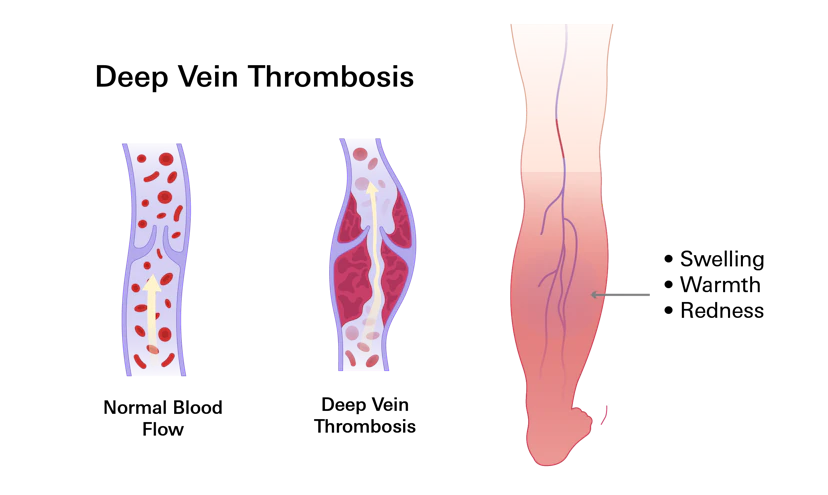
Deep Vein Thrombosis (DVT)
Deep vein thrombosis (DVT) is a serious condition where blood clots, known as thrombosis, form in the deep veins of the body, typically in the legs.
Read more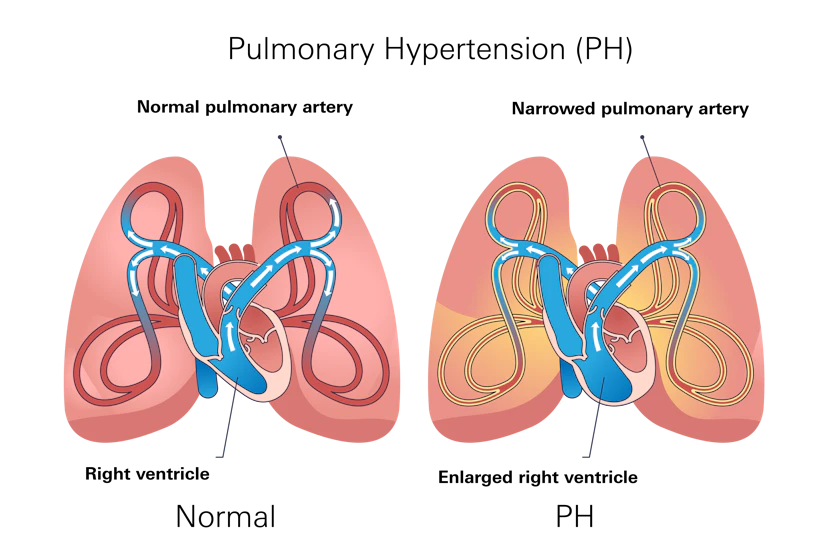
Pulmonary embolism (PE)
Pulmonary embolism (PE) is a serious condition that occurs when a blood clot blocks blood flow to the lungs. PE is part of a broader condition known as venous thromboembolism (VTE), which also includes deep vein thrombosis (DVT).
Read more
Taking Warfarin? Here’s What You Need to Know
Warfarin (brand names: Coumadin and Jantoven) is a widely prescribed anticoagulant (blood thinner)that has been in use for over 70 years.
Read more