Questions? Call us at 800-810-7790

- Von Willebrand disease is a genetic bleeding disorder caused by a problem with a blood-clotting protein called von Willebrand factor.
- It can lead to frequent nosebleeds, easy bruising, heavy periods, or prolonged bleeding after injuries or surgery.
- There are three main types of VWD, ranging from mild to severe, depending on how much of the protein is missing or how well it works.
- While it can’t be cured, VWD is manageable with treatments like desmopressin, clotting factor infusions, or medications to reduce bleeding.
Overview
Von Willebrand disease (VWD) is a common but often underdiagnosed bleeding disorder that affects how your blood clots.
The condition stems from a problem with a key blood protein called von Willebrand factor (VWF). This protein acts like glue, helping platelets stick together to form clots and seal cuts or injuries. When VWF is missing or doesn’t work properly, bleeding can last longer than normal, ranging from mild to severe depending on the type.
VWD affects about 1% of people worldwide, making it the most common inherited bleeding disorder. However, many don’t realize they have it because symptoms can be subtle or mistaken for normal bleeding.
Symptoms might include frequent nosebleeds, easy bruising, heavy menstrual periods, or prolonged bleeding after cuts, dental work, or surgery. The severity varies widely, some people live with mild symptoms their whole lives, while others only notice issues after a major injury or procedure.
The condition comes in three main types, each tied to how much VWF is present or how well it functions.
- Type 1, the most common, involves lower-than-normal VWF levels and milder symptoms.
- Type 2, has enough VWF but it’s faulty, with subtypes that affect clotting in different ways.
- Type 3, the rarest, means little to no VWF, leading to more serious bleeding.
Diagnosis often involves blood tests to measure VWF levels and function, while treatments range from medications to boost VWF to clotting factor infusions for severe cases.
Symptoms
Von Willebrand disease (VWD) can be tricky to spot, especially in mild cases where symptoms might seem like everyday issues.
The hallmark of VWD is bleeding that lasts longer or is harder to stop than normal. Symptoms vary depending on the type and severity of the condition.
Non-Bullous Impetigo (Most Common Type)
Common symptoms include
- Frequent or prolonged nosebleeds (longer than 10 minutes)
- Easy bruising, even from minor bumps or no clear injury
- Bleeding gums, especially after brushing or dental work
- Heavy or prolonged menstrual periods, often needing frequent pad or tampon changes
- Bleeding that’s hard to stop after cuts, surgery, or dental work
- Blood in urine or stool (less common, but possible)
- Bleeding after childbirth or trauma
Symptoms often show up in childhood, like frequent nosebleeds or bruising more than other kids. Parents might dismiss these as “normal” or think their child is just accident-prone. However, if bleeding takes longer to stop than expected, it’s worth checking with a doctor.
In rare, severe cases (like Type 3 VWD), bleeding can occur deeper in the body, such as in joints or muscles, but this is less common.
For some, symptoms stay mild and go unnoticed until a trigger, like surgery, injury, or childbirth, reveals the issue. Since symptoms vary widely, some people manage VWD their whole lives without realizing it, while others need medical attention to control bleeding.
Causes
In most cases, von Willebrand disease (VWD) is inherited. You’re born with it, even if symptoms don’t show up right away. Some people only discover they have it after a surgery, dental procedure, or injury causes unexpected bleeding.
In rare cases, VWD isn’t inherited but develops later in life, known as acquired von Willebrand disease. This can happen due to other health conditions, such as autoimmune diseases (like lupus), certain cancers (like leukemia), or heart valve problems. These conditions can disrupt how VWF works or reduce its levels in the blood, leading to bleeding issues.
Whether inherited or acquired, the core problem is the same: the body struggles to form stable blood clots, causing bleeding to last longer than normal.
Who’s at Risk?
The biggest risk factor for VWD is a family history. Since it’s usually inherited, having a parent or sibling with VWD increases your chances of having it too. Genetic mutations affecting VWF can be passed down, even if symptoms are mild or go unnoticed.
VWD affects men and women equally, but women may notice symptoms more often due to heavy or prolonged menstrual periods or excessive bleeding after childbirth. These events can make the condition harder to overlook.
Age and lifestyle don’t matter. You can be diagnosed at any age, and it’s not caused by anything you did or didn’t do. It all comes down to how your body makes and uses clotting proteins.
Some people are diagnosed early in life. Others don’t find out until much later, often when a medical procedure reveals a problem with bleeding.
Diagnosis
Diagnosing von Willebrand disease (VWD) usually starts with your doctor reviewing your medical history and symptoms rather than relying only on lab tests.
They'll ask about your past bleeding episodes—how often they happen, how long bleeding lasts, and whether any bleeding has seemed unusual or excessive. Family history is important, especially if relatives have experienced similar bleeding problems.
To confirm the diagnosis, specific blood tests are done to measure levels and function of the von Willebrand factor protein and another clotting protein called factor VIII. These tests include:
- How much von Willebrand factor is in your blood
- How well it works
- Levels of another clotting protein, called factor VIII
- The structure of the von Willebrand factor, which helps determine the type of VWD
Because results can change over time (due to stress, illness, or even pregnancy), you might need to repeat tests to confirm the diagnosis.
If VWD is confirmed, your doctor may also recommend testing close family members.
Treatment
There’s no cure for VWD, but treatment can help manage symptoms and prevent serious bleeding. What you need depends on the type and severity of your condition.
Desmopressin Acetate (Injection)
Given intravenously, this medicine releases stored von Willebrand factor and increases factor VIII levels. It’s commonly used for type 1 VWD before surgeries or during bleeding episodes.
Side effects can include headache, flushing, nausea, low sodium, tiredness, or blood pressure changes.
Desmopressin Acetate (Nasal Spray)
A convenient alternative for milder cases, used at home to manage bleeding. Possible side effects include nasal irritation, congestion, headache, and flushing.
Clotting Factor Replacement
For more severe cases or when desmopressin isn’t effective. This involves clotting factor infusions like Vonvendi.
Possible reactions include redness or swelling at the injection site, headache, chills, and rarely allergic responses.
Antifibrinolytics (Amicar, Lysteda)
These medicines help stabilize clots by slowing their breakdown, often used alongside other treatments.
Side effects may include nausea, tiredness, nasal congestion, or dizziness but are generally well tolerated.
Birth Control Pills
Sometimes prescribed for women with heavy menstrual bleeding to raise von Willebrand factor and reduce blood loss.
Side effects include spotting, breast tenderness, mood changes, and rarely an increased clot risk depending on individual factors.
Management
While VWD cannot be prevented as it is typically an inherited condition, proactive steps can minimize complications, particularly excessive bleeding:
- Use protective gear during sports or physical work to avoid injuries.
- Tell your doctor or dentist ahead of time if you’re having a procedure—they can plan treatments to prevent bleeding.
- Manage heavy periods early to avoid complications like anemia.
- Consider genetic counseling if VWD runs in your family and you’re planning a pregnancy.
With the right care and a little planning, most people with VWD can live full, active lives.
Related Topics
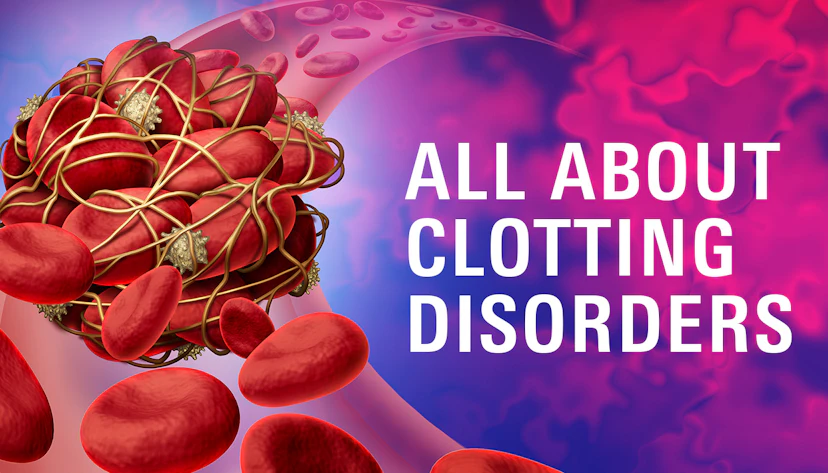
All About Clotting Disorders
Blood clotting is a vital process that helps prevent excessive bleeding when we get injured. However, sometimes this blood clotting occurs when and/or where it isn’t supposed to. Other times, the clot forms properly, but then does not dissolve when it should.
Read more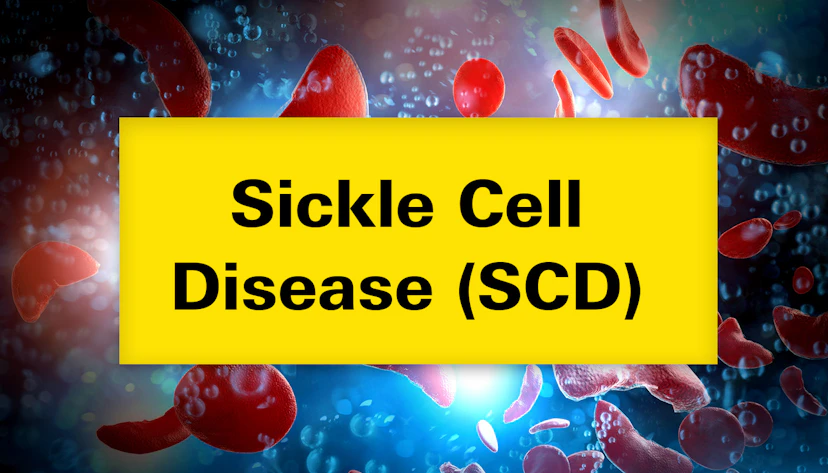
Sickle Cell Disease Explained
Sickle cell disease is a hereditary condition caused by a mutation in the genes that encode hemoglobin, the oxygen-carrying protein in red blood cells. This mutation leads to the production of an abnormal form of hemoglobin called hemoglobin S (HgbS).
Read more