
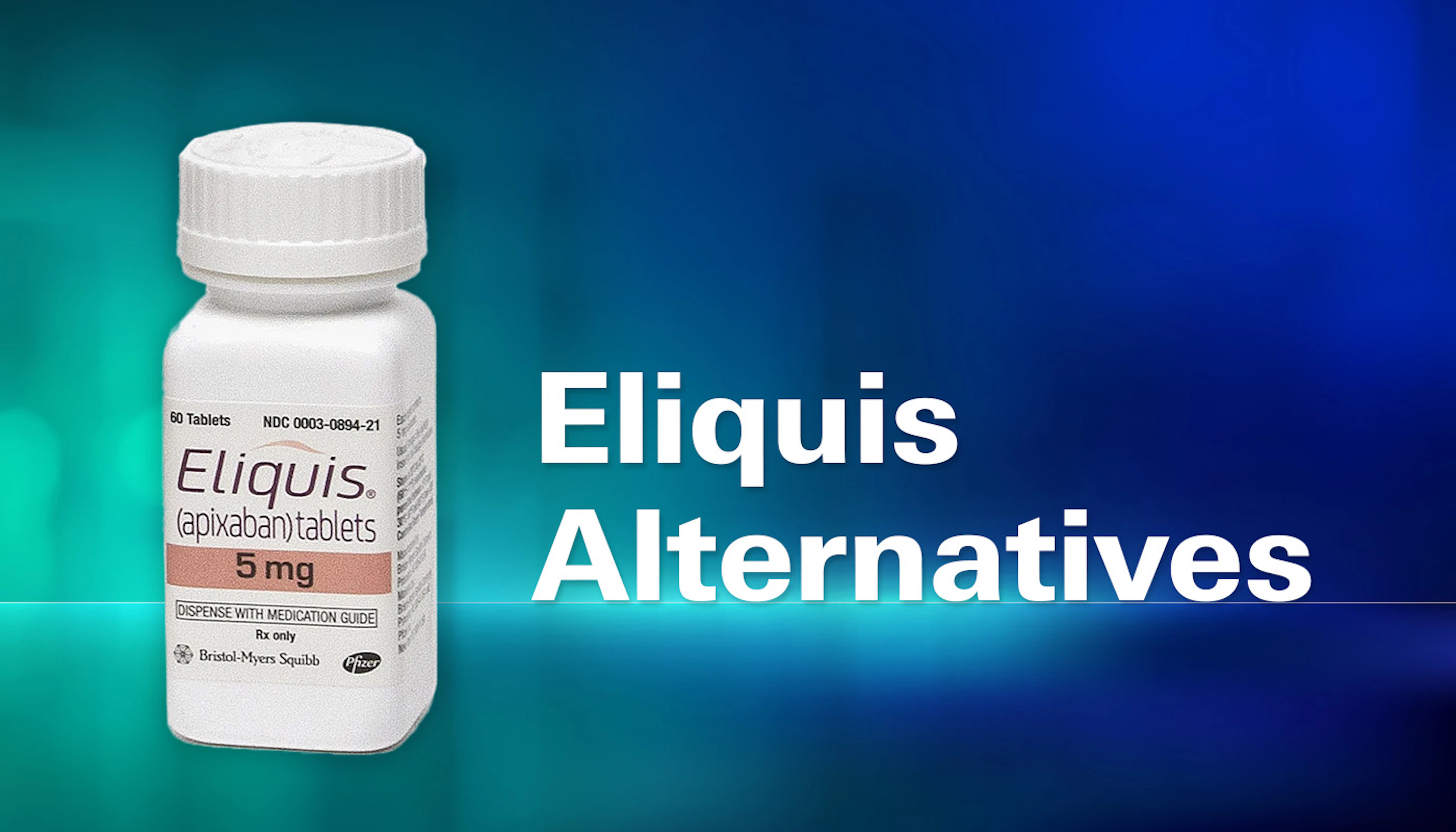


Need an Eliquis Alternative? Here Are Your Options
- People may consider an alternative to Eliquis due to cost, side effects, or interactions with other drugs.
- Prescription Aternatives
- Pradaxa (dabigatran): A DOAC that blocks thrombin; treats and prevents clots in AFib, DVT, and PE, approved for adults and children 8+.
- Xarelto (rivaroxaban): A DOAC that blocks factor Xa; treats AFib, DVT, PE, and can prevent heart attack/stroke in specific conditions; generic 2.5 mg available.
- Savaysa (edoxaban): Another factor Xa DOAC; prevents stroke in AFib and treats DVT/PE after initial injectable therapy; not for moderate-severe liver problems.
- Warfarin (Coumadin): An older blood thinner blocking vitamin K; requires regular blood tests (INR) and has many drug/food interactions; not safe in pregnancy.
- Natural Options: While ginger, turmeric, and garlic have minor clotting effects, they are not proven substitutes for prescription blood thinners and cannot replace them.
- Important Advice: Never stop or change your blood thinner without consulting your doctor, as this can lead to serious clot risks.
Eliquis (apixaban) is a widely prescribed blood thinner in the U.S., with over 12 million prescriptions annually. It helps reduce the risk of blood clots and stroke. Unlike warfarin, Eliquis does not require frequent blood tests or dietary restrictions, making it a more convenient option for many patients.
Eliquis works by blocking factor Xa, a protein essential for blood clotting. By inhibiting this protein, it reduces the risk of clots and helps blood flow more freely.
Common uses include:
- Reducing stroke risk in people with nonvalvular atrial fibrillation (AFib)
- Treating and preventing deep vein thrombosis (DVT) and pulmonary embolism (PE)
- Lowering clot risk after hip or knee replacement surgery
Eliquis is taken as a tablet, typically 2.5 mg or 5 mg, twice daily, with or without food.
Why You Might Need an Alternative
- Cost is a common concern. Eliquis is only available as a brand-name drug. Without insurance it can cost hundreds of dollars per month. Although a generic version was approved in 2019, it won’t be available until at least April 2028 due to patent protections.
- Side effects may also lead to a switch. Like all blood thinners, Eliquis increases bleeding risk. Some people may experience easy bruising, nosebleeds, stomach discomfort, or allergic reactions.
- Drug interactions can be another factor. Certain medications may interfere with how Eliquis is absorbed or processed in your body.
If you're having surgery or a dental procedure, your doctor may temporarily stop Eliquis and use another option. Every patient is different. The decision to switch depends on your health history, symptoms, and how your body responds to treatment.
Prescription Alternatives to Eliquis
| Medication | Mechanism | Uses | Side Effects | Considerations |
|---|---|---|---|---|
| Pradaxa (DOAC) |
Blocks thrombin | AFib, DVT, PE | Indigestion, nausea, vomiting | Not for patients with heart valve problems, approved for children 8+ |
| Xarelto (DOAC) |
Blocks factor Xa | AFib, DVT, PE, CAD, PAD | Bleeding, higher risk of major bleeding | Generic available, may lower costs, higher bleeding risk |
| Savaysa (DOAC) |
Blocks factor Xa | AFib, DVT, PE after initial injectable therapy | Bleeding, rash, anemia, liver test changes | Not for patients with moderate to severe liver issues |
| Warfarin (Vitamin K Antagonist) |
Blocks vitamin K | AFib, DVT, PE, heart valve replacement, post-heart attack | Bleeding, interactions with many medications and foods | Requires regular INR checks, not safe during pregnancy, interacts with vitamin K-rich foods |
Pradaxa (dabigatran)
Pradaxa is a direct oral anticoagulant (DOAC) that is used to prevent stroke in people with nonvalvular atrial fibrillation (AFib), and to treat or prevent deep vein thrombosis (DVT) and pulmonary embolism (PE).
Pradaxa is approved for adults and children 8 years or older who have completed several days of injectable blood thinner therapy.
Unlike Eliquis, which blocks factor Xa, Pradaxa inhibits thrombin, another protein involved in clot formation. Some patients may experience stomach-related side effects like indigestion, nausea, or vomiting.
Xarelto (rivaroxaban)
Xarelto is another DOAC that blocks factor Xa, like Eliquis. It treats AFib, DVT, and PE. Additionally, it can help prevent heart attack or stroke in patients with coronary artery disease or peripheral artery disease, especially when taken with aspirin.
In 2024, the FDA approved the first generic 2.5 mg version of Xarelto, which may make it more affordable. Some studies suggest a slightly higher bleeding risk compared to Eliquis.
Savaysa (edoxaban)
Savaysa also blocks factor Xa and is used for AFib and clot treatment after initial injectable therapy. However, Savaysa is not recommended for patients with moderate to severe liver problems. Possible side effects include bleeding, rash, anemia, or changes in liver test results.
Warfarin (Coumadin)
Warfarin is one of the oldest blood thinners still in use. Unlike DOACs, warfarin works by blocking vitamin K, which is essential for clot formation. It requires regular blood tests (INR checks) and has many interactions with medications and foods high in vitamin K, including:
- Antibiotics (e.g., Bactrim, Flagyl)
- Antifungal creams or suppositories (e.g., Miconazole)
- Antiseizure medications (e.g., phenytoin)
- Pain relievers (e.g., ibuprofen, naproxen)
- Foods high in vitamin K (e.g., kale, spinach, broccoli, Brussels sprouts, parsley, coleslaw, avocado)
These interactions can increase your bleeding risk. Warfarin is also not considered safe during pregnancy.
What About Natural Options?
You may have heard that foods or supplements like garlic, ginger, or turmeric can help thin your blood. While these natural products can mildly affect how blood clots form, they are not substitutes for prescription blood thinners.
- Garlic may slightly reduce how platelets stick together.
- Ginger might have a small impact on clotting activity.
- Turmeric contains curcumin, which may influence clot formation, though most evidence comes from early research, not large human studies.
Unlike prescription anticoagulants, these natural options haven’t been tested in large clinical trials and aren’t FDA-approved for preventing serious conditions like stroke, DVT, or PE.
If you take these supplements regularly, tell your doctor. Some can increase the effects of blood thinners and raise your bleeding risk. Natural remedies may support your health, but they should never replace prescribed medications.
How Doctors Choose the Right Blood Thinner
Doctors consider several factors when selecting a blood thinner:
- Medical history: Conditions like AFib, DVT, or kidney disease influence the choice.
- Age, weight, and kidney function: These affect how your body processes the medication.
- Other medications: Some drugs can interact with blood thinners, increasing side effects or reducing effectiveness.
- Dosing schedule: Some blood thinners are taken once daily, others twice. Your doctor may choose one that fits your routine.
- Cost and insurance: Generic options are more affordable, while brand-name drugs are much more expensive without coverage.
Your doctor will weigh all these factors to recommend a safe, effective option that fits your lifestyle.
Talk to Your Doctor
If you're considering switching from Eliquis or have concerns about your current medication, speak with your doctor first. Blood thinners affect everyone differently, and the right choice depends on your health, medications, and how your body responds.
Never stop or change your medication without medical advice. Even a short break can increase your risk of a serious blood clot. Your doctor can help you explore safe alternatives, including lower-cost options if needed.
Your treatment plan should support your health, fit your routine, and keep you protected long-term.

