
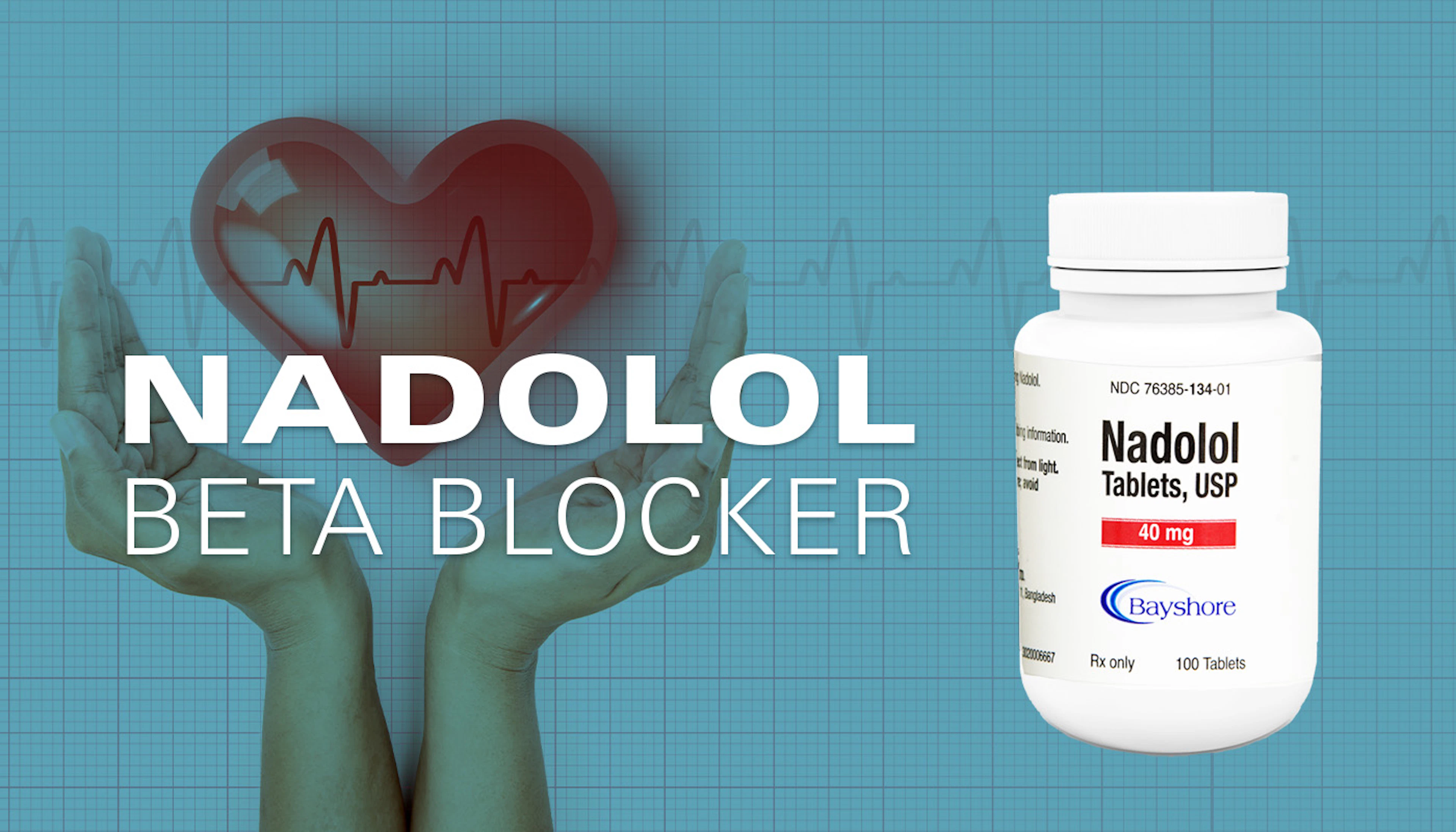


Nadolol: What You Need to Know About This Beta Blocker
- Nadolol is a beta blocker primarily used to treat high blood pressure (hypertension) and chest pain (angina).
- Nadolol is sometimes prescribed off-label for conditions such as irregular heart rhythms, migraine prevention, and preventing bleeding in advanced liver disease.
- Nadolol works by slowing the heart rate and relaxing blood vessels, which eases blood flow throughout the body and lowers blood pressure. It reduces the heart's workload and oxygen requirements, which helps to prevent chest pain.
- FDA has issued a black box warning against abruptly stopping Nadolol, as this can lead to increased chest pain or heart attack.
High blood pressure affects nearly half of adults in the United States, yet many don’t realize they have it. Without treatment, it can increase your risk of strokes, kidney disease, and other serious complications. While lifestyle changes can help, medication is often needed to keep blood pressure under control.
Nadolol: Uses
Nadolol is a beta blocker, and FDA-approved to treat 2 main conditions:
- High blood pressure (hypertension)
- Chest pain (angina)
Off-Label Uses
Healthcare providers have found Nadolol can help manage several other health issues because of the same heart-slowing, calming effects that make it effective for blood pressure and angina.
- Arrhythmias
Nadolol is often used to control a fast or erratic heartbeat. For example, in patients with atrial fibrillation, Nadolol can slow down the heart rate and help it beat more steadily.
- Migraine prevention
Nadolol, like some other beta blockers, can be used to prevent migraine attacks before they start. While not approved for migraines, doctors have found that taking Nadolol daily can reduce how often migraines occur.
- Preventing bleeding in advanced liver disease
In patients with serious liver conditions (e.g. cirrhosis) blood does not flow through the liver easily and can get backed up into vessels such as those in the esophagus (food pipe).
Nadolol may be prescribed to these patients to lower the pressure in those blood vessels, reducing the risk of a bleeding emergency. By slowing the heart rate and narrowing certain blood vessels, Nadolol decreases the force pushing on these veins.
Understanding FDA-Approved and Off-Label Uses
- FDA-Approved Uses
FDA-approved means that the medication has undergone extensive, multi-step testing to confirm its safety and effectiveness for these specific uses. The FDA maintains high standards, only granting approval after independent medical experts thoroughly review all available data. This review ensures that the benefits of Nadolol for its approved uses significantly outweigh any potential risks.
- Off-Label Uses
Off-label means that a physician might recommend the medication for a condition that the FDA has not formally approved for. This is a common practice in medicine and can be highly beneficial when clinical experience or emerging research suggests that Nadolol could be effective for other conditions.
How Nadolol Works
Nadolol works by slowing your heart rate and relaxing blood vessels, making it easier for blood to flow throughout your body. This is especially useful for managing high blood pressure and chest pain.
For Hypertension
When blood pressure is too high, your heart has to work harder to pump blood, which can strain your arteries over time. Nadolol reduces the force and speed of each heartbeat. At the same time, it helps keep blood vessels relaxed and open, allowing blood to circulate more smoothly. This combination keeps blood pressure within a healthier range and helps prevent long-term damage to your heart and arteries.
For Angina
For those dealing with chest pain, your heart’s demand for oxygen is often higher than what the blood supply can provide. This imbalance can lead to discomfort, tightness, or pain, especially during physical activity. By slowing your heart rate and reducing strain on your heart, Nadolol helps lower its oxygen needs, preventing the episodes of pain before they start.
Over time, this allows your heart to function more efficiently while reducing the chances of sudden chest discomfort.
How To Take Nadolol
Nadolol is available as a tablet in 20 mg, 40 mg, and 80 mg strengths and is generally taken once a day.
It can be taken with or without food, so you don’t have to time it around meals. However, it is important to take it the same way each day to keep the medication working consistently.
Most people start on a low dose to allow their body to adjust. If needed, your doctor may gradually increase your dose based on how well the medication is controlling your symptoms.
Missed Dose
Missing a dose can affect how well this medication works. If you miss a dose of Nadolol, take it as soon as you remember, unless it is almost time for your next dose. If your next scheduled dose is coming up soon, skip the missed dose and take the next one at your usual time.
Do not take extra tablets to make up for the missed dose, as this can lower your heart rate or blood pressure too much.
Keeping a routine and taking Nadolol at the same time each day can help maintain stable blood pressure and heart function. If you’re unsure about what to do after missing a dose or if you experience any unusual symptoms, contact your doctor for guidance.
Side Effects
Like any medication, Nadolol can cause side effects. While some are mild and go away on their own, others may require medical attention. Understanding what to expect can help you know when to reach out to your doctor.
Common Side Effects
Most patients tolerate Nadolol well, but some may experience the following:
- Feeling tired or sluggish
- Dizziness or lightheadedness, especially when standing up quickly
- Slow heart rate
- Cold hands and feet
These effects are usually mild and improve as your body adjusts to the medication. If they become bothersome or persistent, let your doctor know. They may suggest adjusting your dose or monitoring your symptoms.
If these symptoms do not go away or interfere with daily life, check with your healthcare provider to discuss possible adjustments.
Serious Side Effects
- Symptoms of heart failure
While Nadolol helps your heart work more efficiently, in rare cases, it may weaken your heart too much, leading to symptoms such as swelling in your legs, sudden weight gain, extreme fatigue, or shortness of breath. If you notice these signs, contact your provider right away.
- Breathing problems (bronchospasms)
Since Nadolol is a non-selective beta blocker, it can affect your lungs and may trigger breathing difficulties, especially in patients with asthma or chronic obstructive pulmonary disease or COPD. If you experience wheezing, chest tightness, or difficulty breathing, get medical help immediately.
- Masked symptoms of low blood sugar
Nadolol can mask warning signs of low blood sugar, such as a fast heartbeat or tremors. This is particularly important for patients with diabetes who rely on these symptoms to recognize when their blood sugar is dropping. While sweating and dizziness may still occur, the usual warning signs may not be as obvious, which could delay necessary treatment.
If you develop serious side effects, such as swelling in your legs, difficulty breathing, or extreme fatigue, contact your provider right away. If you experience wheezing, chest tightness, or signs of a heart attack (severe chest pain, shortness of breath, or sudden dizziness), get emergency medical care immediately.
Black Box Warning: Do not stop Nadolol suddenly
Nadolol has a black boxed warning, which is the strongest warning issued by the FDA. Stopping Nadolol suddenly can be dangerous because it may cause a sharp rise in chest pain or even a heart attack.
This happens because your body gets used to Nadolol’s effects, and stopping it abruptly can cause your heart to work harder than it should.
If you need to stop taking Nadolol, your doctor will gradually lower your dose over time to prevent these risks. If you ever miss multiple doses, contact your provider immediately for guidance.
Who Should Not Take Nadolol
Nadolol is not appropriate for everyone. Certain conditions may make it unsafe or require extra caution before starting this medication.
OIf you have any of the following conditions, your doctor will determine whether Nadolol is the right choice for you.
- Pregnancy and breastfeeding
Nadolol is generally not recommended during pregnancy, but in some cases, the benefits may outweigh potential risks. High blood pressure can be dangerous for both the mother and baby, so if Nadolol is necessary to manage a serious condition, your doctor will weigh your risks and benefits before prescribing it.
If you are already taking Nadolol and become pregnant, do not stop taking it without speaking to your provider. As mentioned, suddenly stopping can lead to a dangerous rise in blood pressure or chest pain, which could be harmful during pregnancy. Instead, your provider will decide if it should be continued or switched to another medication.
For breastfeeding mothers, Nadolol passes into breast milk and may affect a nursing baby, potentially causing slow heart rate, low blood pressure, or excessive drowsiness. If Nadolol is needed while breastfeeding, your provider may monitor your baby for any side effects or suggest an alternative medication.
- Asthma and breathing conditions
Because Nadolol is a non-selective beta blocker, it can affect your lungs as well as your heart. In asthma and COPD, this medication may narrow your airways, making it harder to breathe. Even patients with mild asthma may be at risk of experiencing wheezing or chest tightness.
If you have a history of breathing problems, your provider will likely recommend a different medication that does not affect your lungs. If you are prescribed Nadolol and notice any difficulty breathing, wheezing, or tightness in your chest, get medical attention immediately.
- Heart failure or certain heart conditions
While Nadolol is often used to manage heart-related conditions, it can worsen symptoms in patients with existing heart failure. If your heart is already struggling to pump blood effectively, Nadolol can sometimes slow it down too much, leading to swelling in your legs, extreme fatigue, or shortness of breath.
People with severe heart block or a very slow heart rate should also avoid Nadolol, as it can worsen these conditions. If you have a heart condition and are unsure if Nadolol is safe for you, your provider will determine whether the benefits outweigh the risks.
Speak With Your Doctor
Before starting Nadolol, it is important to talk to your doctor to make sure it is the right medication for you. While Nadolol is effective for managing high blood pressure and chest pain, not everyone responds to it the same way, and certain health conditions may require a different approach.
References:
- Gopal S, Patel P, Mandiga P. Nadolol. In: StatPearls. Treasure Island, FL: StatPearls Publishing; 2024 Feb 22. Available from: https://www.ncbi.nlm.nih.gov/books/NBK545189/

