Questions? Call us at 800-810-7790

- Contact dermatitis is an inflammatory skin reaction causing redness and irritation upon direct contact with an irritating substance or an immune-triggering allergen.
- It occurs as either Irritant Contact Dermatitis (ICD) from direct damage by harsh chemicals, or Allergic Contact Dermatitis (ACD) from a delayed immune response to substances like nickel or dyes.
- Diagnosis involves reviewing the rash's appearance and exposure history, often confirmed by patch testing to pinpoint the specific allergen causing ACD.
- Treatment prioritizes immediate and long-term avoidance of the trigger and using topical medications, like corticosteroids, to calm inflammation and repair the skin barrier.

Overview
Contact dermatitis is an inflammatory skin condition that occurs when the skin comes into direct contact with a substance that disrupts its normal state. The reaction is a form of eczema and typically produces areas of redness, irritation, and discomfort in the exposed area.
It is not contagious, but it can be uncomfortable and sometimes severe. The rash usually appears on the area of contact and can develop within minutes to hours or 1–2 days after exposure. Most cases resolve within 2–4 weeks if the trigger is avoided.
Types
Contact dermatitis appears in two main forms: Allergic and Irritant.
- Allergic Contact Dermatitis (ACD): A delayed immune response. The body's immune system mistakenly identifies a substance as an allergen, and future contact with even a small amount can produce a rash.
- Usually delayed (hours to days) and involves redness, swelling, small bumps, or clear fluid-filled patches/blisters.
- Common allegeins include metals (e.g., nicke, gold in gewelry), preservatives (e.g., creams, cosmetics), hair dye chemicals, adhesives (e.g., medical tape) or plant oils (e.g., poison ivy)
- Irritant Contact Dermatitis (ICD): Caused by direct exposure to irritants and is not an allergy. The substance damages and disrupts the outer protective layer of the skin. This can happen to anyone if the exposure is strong enough or lasts long enough.
- Reaction can be immediate or delayed. Symptoms include dryness, peeling, redness, or a burning/stinging sensation.
- Common irritants include cleaning agents (acids, solvents, bleach), soaps, detergents, or prolonged water exposure
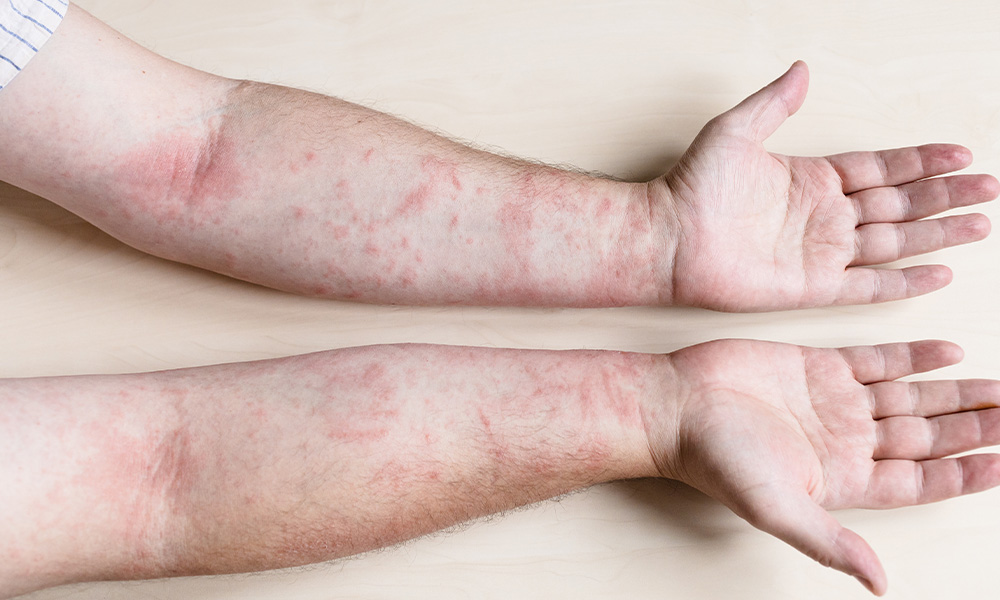
Allergic Contact Dermatitis
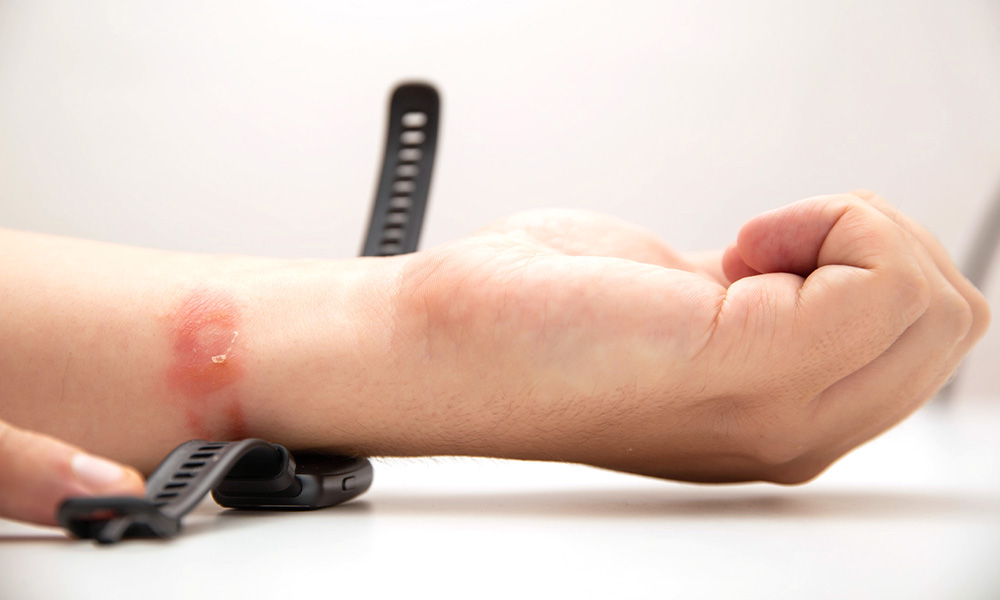
Irritant Contact Dermatitis
How common is it?
Contact dermatitis affects 15–20% of people and is one of the most frequent occupational skin diseases. ICD is more common than ACD. Adults are diagnosed more often than children, largely due to workplace exposure, especially in occupations involving wet work, chemicals, or metals (healthcare workers, hairdressers, cleaners, construction).
Women are diagnosed slightly more often than men, largely due to higher exposure to nickel (jewelry) and personal care products containing fragrances/preservatives.
Symptoms
The appearance and severity vary by substance, exposure time, and skin sensitivity.
Common symptoms:
- Redness (mild to pronounced)
- Itching (can be persistent)
- Dry, cracked, or scaly patches
- Small bumps or blisters (sometimes oozing)
- Burning or stinging sensation
- Swelling in affected areas
Seek immediate medical care if:
- Swelling affects the face, eyelids, or tongue
- Breathing becomes difficult
- Rash spreads rapidly
- Signs of infection appear (pus, fever, warmth)
- Pain interferes with eating, drinking, or movement
Causes
Contact dermatitis is caused by the skin reacting to a substance it comes into contact with. This reaction is fundamentally one of the two types described above: an allergic response or direct irritant disruption of the skin's surface.
- Allergic reaction: The immune system targets an allergen, leading to redness and inflammation upon re-exposure.
- Irritant exposure: A substance directly weakens or disrupts the skin’s outer barrier, causing dryness and irritation.
Both reactions disturb the protective layer of the skin, resulting in redness, itching, or discomfort on the exposed area.
Risk factors
Several factors can increase an individual's susceptibility to developing contact dermatitis:
- Frequent exposure to soaps, detergents, solvents, disinfectants
- Jobs involving “wet work” (healthcare, cleaning, food handling, hairdressing, construction)
- History of eczema or atopic dermatitis
- Regular contact with metals, fragrances, adhesives, or hair dye chemicals
- Environmental stressors (cold, dry air)
Healthy individuals with normal immune systems almost never develop fungal meningitis from everyday environmental exposure.
Diagnosis
Diagnosis starts with a detailed medical history and skin examination. Clinicians assess when the rash began, its location, and possible exposure to irritants or allergens. The pattern of the rash can provide important clues—especially when it matches contact points with jewelry, adhesives, or personal care items.
Patch Testing
Patch testing is the gold standard for identifying allergens in allergic contact dermatitis:
- Small amounts of suspected allergens are applied to the skin under adhesive patches (usually on the back)
- The patches remain in place for 48 hours
- The skin is examined at the 48-hour visit and again between 72 and 96 hours to check for any delayed reactions
- Results help pinpoint allergens so they can be avoided
Skin Biopsy
A skin biopsy may be considered when:
- The rash has an unusual pattern
- It does not improve with standard care
- Other skin conditions need to be ruled out [aad.org]
Most cases do not require lab tests. Diagnosis relies on history, physical exam, and patch testing when allergy is suspected.
Treatment
Management focuses on removing the trigger, calming inflammation, and restoring the skin barrier.
First-Line Measures
- Trigger Avoidance: Allergic triggers must be avoided lifelong; irritant exposure should be minimized.
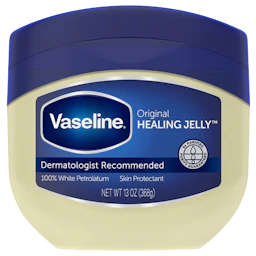
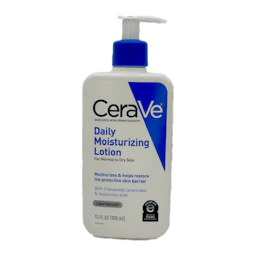
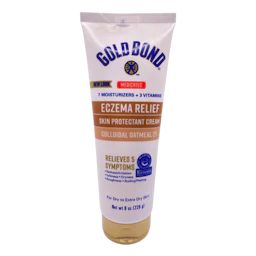
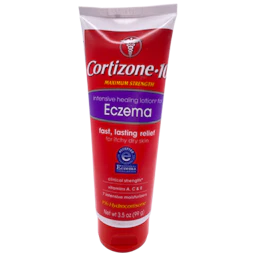
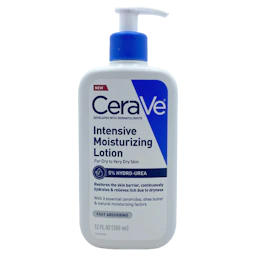
- Skin Barrier Support: Switch to fragrance-free, dye-free emollients and cleansers. Apply thick moisturizers (ointments > creams) frequently, especially after hand washing.
- Cool Compresses: Soothe acute inflammation and itching.
Medications
- Topical Corticosteroids: First-line treatment for most cases
- Low- to mid-potency steroids for mild reactions; higher potency for severe inflammation
- Example: Hydrocortisone (OTC) for up to 2 weeks
- Avoid prolonged use on sensitive areas (face, groin, underarms) to prevent thinning
- Calcineurin Inhibitors: Steroid-sparing option for delicate areas or long-term use
- Examples: Pimecrolimus, Tacrolimus
- Do not cause skin thinning, making them suitable for face and genital regions
- Antihistamines: Help relieve itching but do not treat the rash
- Example: Diphenhydramine (Benadryl)
- May cause drowsiness, dry mouth, or dizziness
- Oral Corticosteroids: Systemic therapy for severe or widespread cases. Typically tapered over 2–3 weeks to prevent rebound dermatitis.
Prevention
Preventing contact dermatitis involves reducing exposure and protecting the skin barrier. Small adjustments in daily routines can significantly lower the risk of future flares.
- Wear protective gloves or clothing when handling irritants
- Choose fragrance-free, dye-free personal care products
- Rinse skin after contact with plants, soil, or workplace chemicals
- Moisturize after washing to maintain barrier integrity
- Label products and avoid sharing items in workplaces
- Keep a record of new products or environments to help identify triggers
Related Topics

Top OTC Products for Managing Eczema
OTC treatments provide accessible and immediate relief from itching, redness, and inflammation. While they can be effective, their success often depends on the severity of your condition.
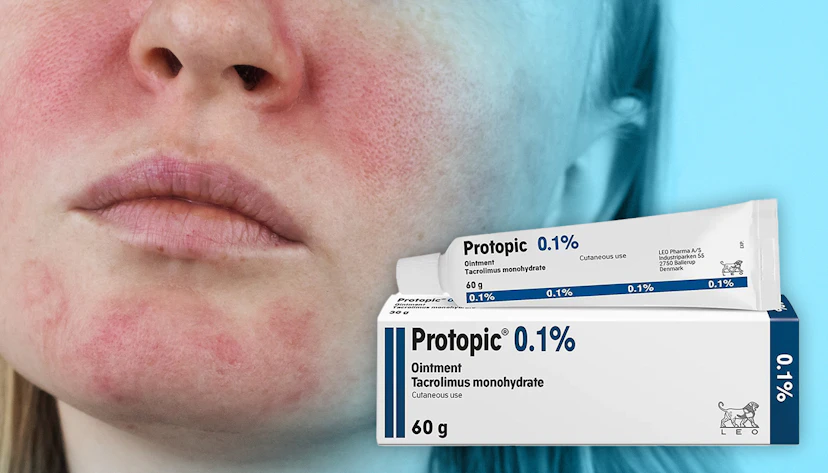
Protopic Ointment: What Tacrolimus Ointment Is Used For
One of the most significant advancements in eczema treatment is Protopic Ointment (Tacrolimus). FDA-approved in 2000, Protopic offers a non-steroidal alternative to traditional corticosteroid treatments.
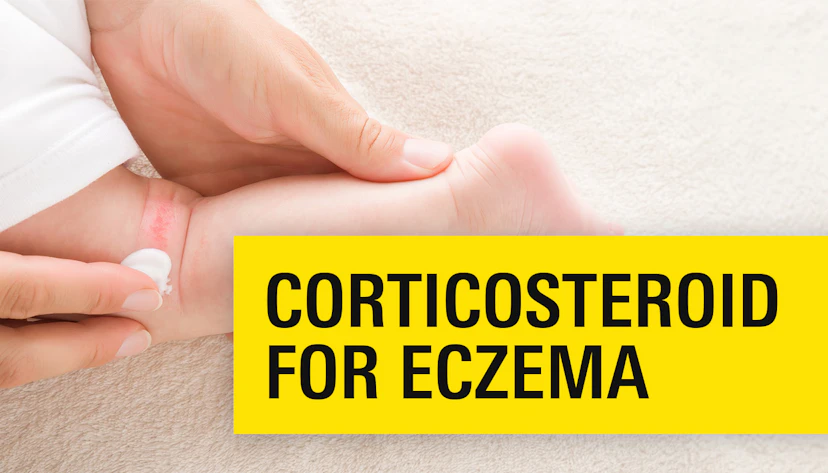
Choosing the Right Corticosteroid for Your Eczema
The primary focus is on symptom management and clearing up the affected patches. The main treatment option for eczema is topical corticosteroids, which effectively reduce itching and inflammation.
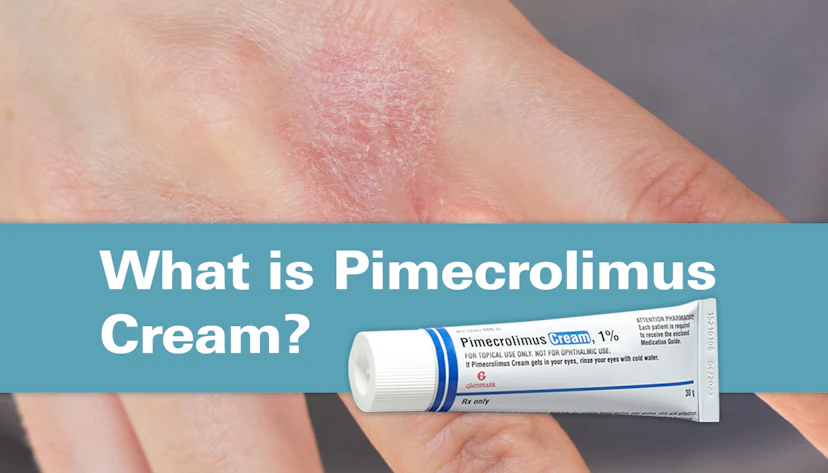
How To Use Pimecrolimus For Eczema
Pimecrolimus (pim-uh-KROH-luh-mus) is a prescription topical cream used to treat mild to moderate eczema (atopic dermatitis) in patients aged 2 years and older. It is a second-line treatment, typically prescribed when first-line therapies, such as topical corticosteroids, have not been effective or are not suitable due to side effects.
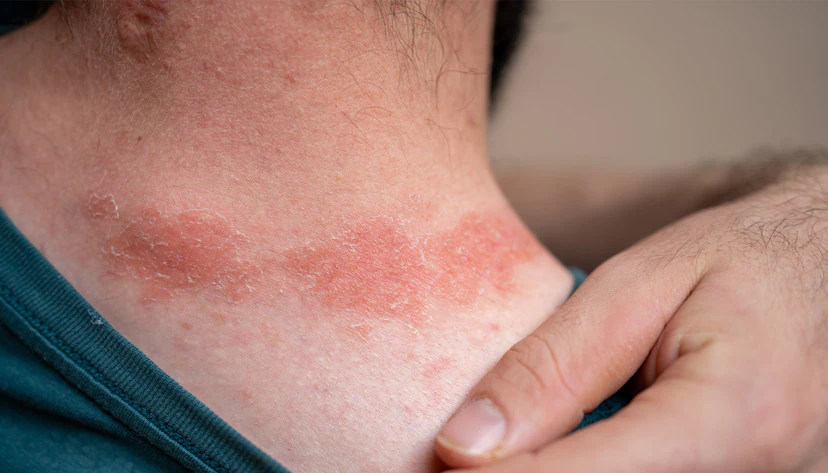
How Betamethasone Treats Skin Conditions Like Eczema and Psoriasis
Betamethasone is a powerful prescription medication designed to alleviate inflammation, redness, and irritation within the body. It belongs to a class of drugs known as corticosteroids, which are known for their ability to manage inflammation and swelling.
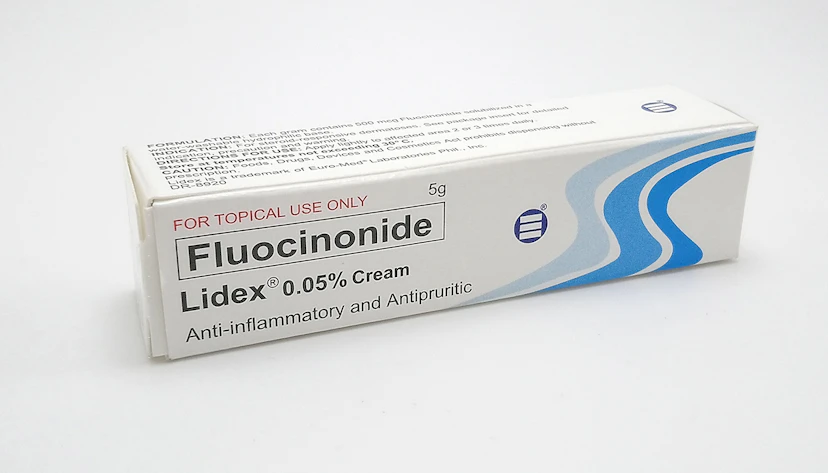
How Fluocinonide Cream Can Help Manage Eczema, Psoriasis, and More
Fluocinonide works by reducing inflammation, redness, and itching on your skin. It's a type of medicine called a corticosteroid, which helps calm down your body’s immune response in the skin.