Questions? Call us at 800-810-7790

- Perimenopause is the transition women go through before menopause, the end of menstrual cycles. This process occurs because the ovaries begin producing less estrogen and progesterone.
- By age 50, nearly half of all women are either in the later stages of perimenopause or have already transitioned to menopause. On average, this phase lasts around 4 years, though it can last up to 10 years.
- Symptoms include irregular periods, hot flashes, difficulty sleeping, mood changes, weight gain, decreased libido, concentration issues, vaginal dryness and more.
- Certain risk factors can affect when it begins and how it progresses. Some risk factors are age, family history, smoking, chronic stress, endometriosis, PCOS, and lifestyle factors.
- Hormone replacement therapy is the gold standeard for hot flashes. Other treatment options include antidepressants, birth control, oxybutynin, and viginal creams.
Overview
Perimenopause is the transition women go through before menopause, which marks the end of menstrual cycles.
This process occurs because the ovaries begin producing less estrogen and progesterone, the hormones that regulate a woman’s menstrual cycle. These hormones also play an important role in fertility and other functions in your body.
During perimenopause, your brain and ovaries communicate differently. Your brain sends signals to the ovaries to produce hormones, but as the ovaries age, they do not respond as effectively. This causes hormone levels to fluctuate, sometimes higher, sometimes lower, leading to changes in menstrual cycles.
Over time, the ovaries produce less estrogen until hormone levels drop significantly, which is when menopause occurs, and periods stop for good. This phase is a natural adjustment as a woman’s body transitions out of its reproductive years.
Prevalence
Perimenopause is a natural transition that all women experience as they approach menopause, making it incredibly common. In the United States, most women begin this phase in their mid-to- late 40s, though it can vary. For some, perimenopause may start earlier, while others might notice changes closer to their 50s.
About 1.3 million women in the U.S. reach menopause every year, and perimenopause occurs in the years leading up to this milestone. By age 50, nearly half of all women are either in the later stages of perimenopause or have already transitioned to menopause. On average, this phase lasts around 4 years, though it can range from just a few months to as long as 10 years.
Early perimenopause, which begins before age 40, is less common but still affects a small percentage of women. The timing and duration of perimenopause can depend on factors such as family history, overall health, and lifestyle habits.
Symptoms
Perimenopause is marked by hormonal fluctuations that can cause noticeable changes in your body. Keep in mind that these can vary widely among women, with some experiencing mild changes and others facing more concerns.
Irregular Periods
One of the earliest and most noticeable signs of perimenopause is changes in your menstrual cycle. Periods may become shorter, longer, heavier, lighter, or unpredictable. This happens because hormone levels fluctuate, disrupting the regular cycle of ovulation.
Hot Flashes and Night Sweats
- Hot flashes, a sudden feeling of heat in your upper body, are common during perimenopause, and can occur during the day.
- Night sweats on the other hand often disrupting sleep. This happens when the part of your brain responsible for regulating body temperature becomes more sensitive to even slight changes due to declining estrogen levels.
Difficulty Sleeping
Whether it’s due to night sweats or insomnia, is another frequent symptom. Hormonal changes can affect your body’s ability to regulate sleep cycles, making it harder to fall or stay asleep.
Mood Changes
Mood changes, including mood swings, irritability, or increased anxiety can occur during perimenopause. These emotional shifts are partly linked to fluctuating hormone levels but can also be caused by disrupted sleep and other symptoms.
Vaginal Dryness
Decreasing estrogen levels can lead to thinning and drying of vaginal tissues, causing discomfort during intercourse or daily activities. This symptom often worsens as menopause approaches.
Decreased Libido
A lower sex drive is common during perimenopause, often due to hormonal changes, vaginal dryness, or a combination of both. Emotional factors, such as mood changes, may also play a role.
Breast Tenderness
Some women experience breast tenderness during perimenopause, similar to what they may feel before a period. This can be caused by hormonal shifts that affect breast tissue.
Weight Gain
Hormonal changes can affect how your body stores fat, often leading to weight gain or a redistribution of weight, especially around your stomach.
Memory and Concentration Issues
Many women report feeling forgetful or having difficulty concentrating during perimenopause. These “brain fog” symptoms are thought to be related to changing hormone levels and may improve after menopause.
Hair and Skin Changes
Thinning hair, increased shedding, or changes in skin texture can occur as hormone levels drop. Some women also notice more facial hair due to shifts in hormone balance.
Headaches
If you have experienced hormone-related headaches in the past, such as during your menstrual cycle, you may notice these worsening during perimenopause.
Do you still get a period during perimenopause?
Yes, you can still have periods during perimenopause, but they often become irregular. This is because your hormone levels fluctuate as your ovaries begin to slow down.
Some women may experience lighter or heavier periods, while others may notice their cycles becoming shorter or longer than usual. Skipped periods are also common.
Can you still get pregnant during perimenopause?
Yes, it is still possible to get pregnant during perimenopause, though it becomes less likely as you get closer to menopause. During perimenopause, your ovaries are still releasing eggs, even if your periods are irregular.
While ovulation may not occur every month, it can still happen. If you are not planning to become pregnant, it’s important to use contraception until you’ve gone a full 12 months without a period, which confirms you have reached menopause.
Causes
As mentioned, perimenopause develops because the ovaries gradually start producing less of the hormones estrogen and progesterone, which are key to regulating a woman’s menstrual cycle.
These hormones also play a role in maintaining other functions in your body, so as their levels change, it signals the beginning of the transition out of the fertility years.
The process starts because the ovaries become less responsive to signals from your brain. Your brain releases hormones, such as follicle-stimulating hormone (FSH) to signal to the ovaries to produce estrogen and release eggs.
However, as women age, their ovaries do not respond as strongly to these signals. This causes hormone levels to fluctuate, which can lead to irregular cycles and other changes. Over time, as the ovaries slow down further, hormone production decreases until menstruation stops entirely.
Diagnosis
A gynecologist typically diagnoses perimenopause, though primary care physicians and endocrinologists can also provide information during this phase.
Diagnosis is often based on your age, symptoms, and changes in your menstrual cycle. In some cases, blood tests may be done to check hormone levels, particularly follicle-stimulating hormone (FSH). During perimenopause, FSH levels tend to rise as the ovaries become less responsive to your brain’s signals for hormone production.
While these tests can provide additional insight, they are not always required, as symptoms and cycle changes often offer enough information for a diagnosis.
Risk Factors
While perimenopause is a natural stage of life for all women, certain factors can affect when it begins and how it progresses. Keep in mind that although these factors may not directly cause perimenopause, they can still affect its timing, symptoms, and severity.
- Age: Perimenopause typically starts in a woman’s 40s, but it can begin earlier or later depending on you.
- Family history: If close female relatives, such as your mother or sisters, experienced early perimenopause, you might be more likely to have a similar timeline.
- Smoking: Women who smoke often experience perimenopause earlier than non-smokers, as smoking can impact ovarian health.
- Procedures such as a bilateral oophorectomy (removal of both ovaries) can cause perimenopause to begin right away.
- Conditions affecting the reproductive system, such as endometriosis or polycystic ovary syndrome (PCOS), may affect when perimenopause begins.
- Cancer treatments can damage your ovaries, leading to earlier hormonal changes.
- Chronic stress: Long-term stress may affect hormone regulation and result in earlier or more severe perimenopausal symptoms.
- Women with lower body fat levels may experience earlier perimenopause because fat cells play a role in producing estrogen after ovarian function declines.
- A history of irregular menstrual cycles, infertility, or early puberty may increase your likelihood of earlier perimenopause.
- Lifestyle factors: Poor nutrition, lack of exercise, or excessive alcohol use may contribute to earlier or more intense symptoms.
Treatment
Antidepressants
Certain antidepressants, especially selective serotonin reuptake inhibitors (SSRIs), such as Paxil, or serotonin-norepinephrine reuptake inhibitors (SNRIs), such as venlafaxine can help manage hot flashes, mood swings, anxiety, or depression. These medications are often used for women who cannot or prefer not to use hormone-based therapies.
Birth Control
Low-dose birth control pills can regulate hormone levels, reducing irregular periods. They are typically recommended for women in the earlier stages of perimenopause who still need contraception.
Hormone Replacement Therapy (HRT)
HRT, considered the gold standard for hot flashes, involves using a combination of estrogen and progesterone to replace the hormones your body produces less during perimenopause. However, it may not be suitable for everyone, so discussing risks and benefits with your doctor is important.
Hormone Therapy (HR)
Similar to HRT, hormone therapy typically includes estrogen alone or in combination with other hormones for symptoms.
Medication for Hot Flashes
In addition to antidepressants, other non-hormonal medications, such as gabapentin and clonidine, may be prescribed to help reduce the intensity and frequency of hot flashes.
Oxybutynin
Originally used to treat overactive bladder, oxybutynin has also been found to reduce hot flashes in some women.
Vaginal Creams
Topical estrogen creams, rings, or tablets can be applied directly to the vaginal area to relieve dryness, irritation, and discomfort during intercourse. These treatments provide targeted relief with minimal absorption into the bloodstream, making them a suitable option for many women.
Prevention
As mentioned, perimenopause is a natural stage of life, so it cannot be entirely prevented. While you can’t stop this transition, certain lifestyle choices may help delay its onset or minimize it.
Maintaining a healthy lifestyle through balanced nutrition, regular exercise, and avoiding smoking can support overall hormonal health and may influence the timing of perimenopause. However, these cannot stop the process altogether, as it is a normal part of aging for women.
If you suspect you are entering perimenopause, it’s a good idea to speak with your gynecologist. They can review your symptoms, assess your menstrual history, and, if needed, perform tests to evaluate hormone levels.
Related Topics
Menopause: What You Should Know
Menopause affects roughly half the population worldwide. Despite this, many women are unaware of what to expect when this stage of life occurs. While there is emphasis placed on what to expect when you are getting your period for the first time, the latter—what happens when your periods come to end—is not often discussed.
Read more
Premarin: A Medication for Menopause
Premarin is a medication that contains a combination of estrogen hormones derived from the urine of pregnant mares. The name "Premarin" is derived from "PREgnant MAres' urINe." It is primarily used in hormone replacement therapy (HRT) for menopausal women to relieve symptoms associated with menopause.
Read more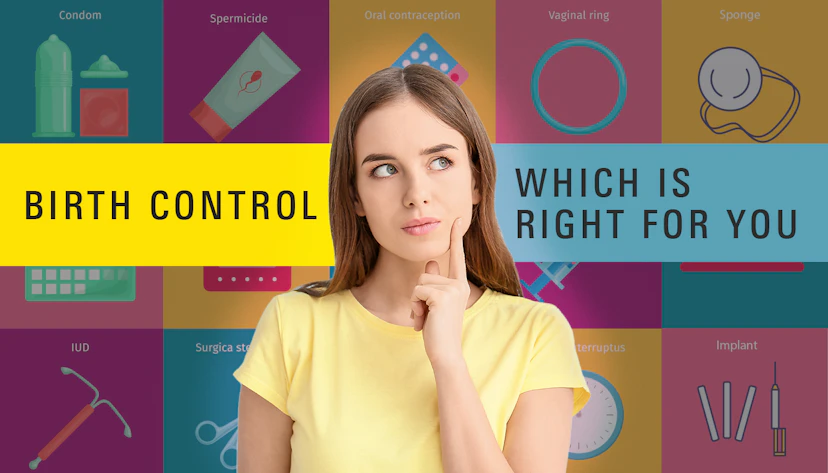
Types of Birth Control: Which Birth Control is Best?
Refraining from intercourse, also known as abstinence, is the only way to prevent pregnancy with 100% certainty. Birth control on the other hand, is a form of contraception that is 99% effective at preventing pregnancy when taken regularly every day. There are various forms of birth control, including nonhormonal and hormonal.
Read more