Questions? Call us at 800-810-7790

- Pulmonary hypertension is high blood pressure in the lung arteries, which makes it harder for blood to get oxygen.
- The right heart pumps blood to the lungs for oxygen. In PH, blocked lung arteries raise pressure, forcing the right heart to work harder.
- Symptoms include breathlessness, fatigue, chest pain, dizziness, swelling, weakness, and sometimes cough or hoarseness. These can be subtle at first.
- PH can be easily missed early on because the initial symptoms, like shortness of breath and fatigue, mimic other common conditions. PH is a rare but serious condition that can lead to heart and lung problems if left untreated.
- Older adults, those with a family history, smokers, and people with certain medical conditions (heart/lung issues, sleep apnea) have a higher risk.
- While there's no cure, treatments like medications, oxygen therapy, lifestyle changes, and sometimes procedures or surgery can help manage symptoms and slow the disease.
Overview
Pulmonary hypertension (PH) is a condition where the blood pressure in the arteries of the lungs is abnormally high. Normally, the right side of the heart pumps blood through these arteries to the lungs. In PH, these arteries become narrowed, stiff, or blocked, making it harder for blood to flow. Consequently, the pressure builds up.

The right ventricle of the heart must work harder to push blood against this increased pressure. Over time, this extra strain can cause the right ventricle to enlarge and weaken, eventually leading to right heart failure.
It’s important to know pulmonary hypertension is different from regular high blood pressure. Regular high blood pressure affects the arteries throughout your body, while pulmonary hypertension is focused only on the arteries connected to the lungs and the right side of the heart.
Untreated PH can lead to serious complications, including severe shortness of breath, fatigue, chest pain, and fainting. Blood clots can form in the pulmonary arteries. Irregular heartbeats (arrhythmias) may also occur. In advanced stages, fluid retention (edema) and decreased oxygen levels in the blood can develop.
Prevalence
PH is considered a rare condition, affecting approximately 1% of the global population. In the United States, about 1 in 100 adults over 65 are affected. This shows that the risk of developing PH increases with age, particularly in individuals with pre-existing heart or lung issues.
In most instances, PH develops as a complication of other medical conditions rather than being an isolated problem. Early symptoms like shortness of breath and fatigue are common to many conditions. Although PH is relatively rare, it poses significant health risks if not recognized.
Symptoms
PH affects patients differently, but most symptoms develop gradually. Initially, you might not notice anything unusual. Over time, as lung pressure rises and your heart works harder, certain symptoms can appear and worsen.
Common Signs
- Shortness of Breath: One of the earliest and most noticeable signs. Initially, it may occur during activities like walking uphill or climbing stairs, but eventually, even normal activities can make you feel winded.
- Fatigue: Your heart works harder to push blood through your lungs, making you feel exhausted.
- Chest Pain or Discomfort: Some describe tightness or pressure in the chest, similar to angina, which may come and go with physical effort.
- Dizziness or Lightheadedness: Inefficient heart pumping reduces blood and oxygen to the brain, sometimes causing fainting.
- Swelling in Legs, Feet, or Abdomen: Fluid buildup due to abnormal heart pumping can cause tight shoes or a bloated stomach.
- Weakness: General sluggishness or increased effort for everyday tasks, often accompanied by shortness of breath and fatigue.
- Wheezing: Due to lung strain or irritated airways.
- Hoarseness: Enlarged lung blood vessels pressing on nearby nerves can lead to a raspy or hoarse voice.
- Dry Cough or Coughing Up Blood: Persistent cough without mucus, and in advanced cases, small amounts of blood, which should never be ignored.
- Nausea and Vomiting: Less common, but can occur when the heart struggles and the digestive system lacks proper blood flow.
These symptoms might be mistaken for aging, being out of shape, or other health problems. However, if they persist, worsen over time, or affect daily life, it's important to consult your doctor.
When to Call 911
Call 911 immediately if you experience:
- Persistent chest pain that does not go away.
- Sudden or repeated fainting.
- Large amounts of blood in your cough.
- Difficulty speaking or moving due to shortness of breath.
These could indicate severe stress on your heart or lungs requiring immediate medical attention. Prompt help can prevent further complications.
Types and Causes
PH stems from various underlying causes. Doctors categorize PH into five main groups based on the specific mechanisms within the body.
Group 1: Pulmonary Arterial Hypertension (PAH)
In PAH, the issue is within the small arteries of the lungs, which become thickened, narrowed, or scarred, elevating pressure. In about 50% of PAH cases, the cause is unknown, known as idiopathic PAH.
Genetic factors can also lead to familial PAH. Certain medications, recreational drugs, and conditions like lupus or liver cirrhosis can contribute. Congenital heart defects can also result in PAH.
Group 2: Due to Left-Sided Heart Disease
This is the most common PH group. It arises when the left side of the heart, responsible for pumping oxygen-rich blood to the body, malfunctions due to heart failure or damaged heart valves. This dysfunction causes a pressure backup into the lungs, increasing pressure in the pulmonary arteries over time.
Group 3: Due to Lung Disease or Low Oxygen Levels
In this group, lung conditions are the primary cause. Chronic lung diseases like COPD or pulmonary fibrosis damage the small blood vessels in the lungs. Sleep apnea can lower oxygen levels and contribute to PH. Prolonged exposure to high altitudes with low oxygen can also increase risk in susceptible individuals.
Group 4: Due to Blockages in the Pulmonary Arteries
This group involves physical obstructions in the lung blood vessels. Chronic, undissolved blood clots can become lodged, impeding blood flow. Tumors within the pulmonary arteries can also cause blockages. These obstructions force the heart to work harder, raising pressure in the lungs.
Group 5: Complex or Unknown Causes
This category encompasses PH cases that don't fit into the first four groups. It includes associations with rare blood disorders like polycythemia vera or essential thrombocythemia, inflammatory conditions such as sarcoidosis, metabolic disorders affecting sugar storage, and advanced kidney disease.
Risk Factors
Age
While PH can occur at any age, including childhood, the risk increases with age. Most diagnoses occur between 30 and 60. As the body ages, blood vessels lose flexibility, and existing heart or lung conditions may become more noticeable.
Environmental Factors
Long-term exposure to asbestos has been linked to lung damage that may contribute to PH. Certain parasitic infections, more common in some parts of the world, can trigger lung inflammation and raise pressure in the pulmonary arteries.
Family History and Genetic Conditions
A family history of PH may increase individual risk. Inherited conditions, such as congenital heart defects, can affect blood flow between the heart and lungs. A family history of blood clots, particularly in the lungs, may also elevate the risk, especially for PH caused by blocked arteries.
Lifestyle Factors
Smoking is a significant risk factor due to its multiple damaging effects on the lungs and blood vessels. The use of illicit stimulant drugs has also been linked to a higher risk of PH, as these substances can affect the heart, lungs, and pulmonary artery pressure.
Medications
Although uncommon, some prescription medications have been linked to PH. Examples include certain cancer treatments or specific antidepressants in some individuals.
Sex
PH is diagnosed more frequently in women than in men. Researchers are still investigating the exact reasons, but hormonal differences may play a role.
Diagnosis
Pulmonary hypertension can be challenging to diagnose early because its symptoms, like shortness of breath and fatigue, are common in many other heart and lung conditions. It often goes unnoticed during routine physical exams. Therefore, doctors use a combination of questions, physical assessments, and specialized tests to confirm the diagnosis.
Initial Assessment
Your doctor will start by asking about your symptoms, their duration, and whether they have worsened over time. They will also inquire about your medical history, medications, family health history, and any history of blood clots or lung disease.
A physical exam may include listening to your heart and lungs and checking for swelling in your legs or abdomen, which can indicate fluid buildup.
Diagnostic Tests
If pulmonary hypertension is suspected, several diagnostic tests will be conducted to get a clearer picture of your heart and lungs:
- Echocardiogram: Uses sound waves to create moving images of your heart to estimate the pressure in your pulmonary arteries and assess heart function.
- Right Heart Catheterization: If the echocardiogram indicates high pressure, this test confirms the diagnosis. A catheter is inserted into a large vein and guided to the pulmonary artery to measure pressure directly. A reading of 25 mm Hg or higher at rest confirms pulmonary hypertension.
- Electrocardiogram (ECG or EKG): Records the electrical activity of your heart, showing if parts of your heart are overworked or enlarged.
- Chest X-ray: Provides a basic view of your heart, lungs, and blood vessels, revealing signs of lung disease, an enlarged heart, or changes in blood vessels.
- Lung Function Tests: Measure how much air your lungs can hold and how well air moves in and out, helping to identify lung conditions like COPD or pulmonary fibrosis.
- MRI: Uses magnetic fields to produce detailed images of the heart and lungs, showing how well the right side of your heart is pumping and blood flow through the pulmonary arteries.
- Stress Test: Measures how your heart and lungs respond to physical activity, monitoring heart rate, blood pressure, and oxygen levels during exertion.
- Blood Test: Help rule out other causes of symptoms and may reveal signs of heart stress, clotting disorders, liver disease, or low oxygen levels. They can also identify specific conditions like connective tissue disease.
Treatment
PH has no single cure, but treatment can greatly improve your daily life. The main goals are to manage symptoms, reduce heart strain, and slow disease progression.
Managing pulmonary hypertension typically involves a mix of medications, oxygen support, lifestyle changes, and sometimes procedures.
Medications to Improve Blood Flow and Reduce Pressure
Vasodilators, such as calcium channel blockers (nifedipine, diltiazem), help open narrowed arteries for better blood flow.
Other medications include:
- Endothelin Receptor Blockers: Bosentan helps counteract substances that tighten blood vessels.
- Phosphodiesterase-5 Inhibitors: Sildenafil and tadalafil relax lung arteries.
- Guanylate Cyclase Stimulators: Riociguat improves blood vessel response to natural pressure-reducing chemicals.
These medications vary in effectiveness, so your doctor will monitor and adjust your treatment based on your response.
Medicines to Support Heart and Circulation
Pulmonary hypertension strains the heart. Digoxin can help your heart beat stronger and pump more blood. Diuretics, or "water pills," may be recommended to remove excess fluid from your legs, abdomen, or lungs, reducing heart workload.
Oxygen Therapy
If your oxygen levels are low, oxygen therapy can alleviate symptoms and reduce heart strain. It may be needed during physical activity, sleep, or more regularly, especially for those at high altitudes or with coexisting lung disease.
Lifestyle
Reducing salt intake can prevent fluid buildup, especially if you're taking diuretics or managing heart failure. A supervised exercise program, known as pulmonary rehabilitation, can improve stamina and ease daily activities, but must be done under guidance.
Surgical Options
PH caused by long-term blood clots, a pulmonary endarterectomy may be recommended to remove clots from lung blood vessels, reducing pressure. Balloon pulmonary angioplasty can open narrowed lung arteries for better blood flow.
In rare cases where medication is insufficient, atrial septostomy may be considered. This procedure creates a small opening between the heart's upper chambers to allow freer blood flow and reduce pressure on the heart's right side.
For advanced disease unresponsive to other treatments, a lung or heart-lung transplant may be considered, especially for younger patients with specific types of pulmonary arterial hypertension. This major decision involves lifelong medication and monitoring.
Prevention
PH cannot always be prevented, especially when linked to genetic conditions or congenital illnesses. However, there are ways to lower your risk in some cases.
- Managing Underlying Conditions: Controlling high blood pressure, heart disease, lung disease, and sleep apnea can help protect your heart and lungs from extra strain.
- Avoid smoking and tobacco use, as even occasional exposure harms the blood vessels.
- Healthy Lifestyle Choices: Avoid smoking, follow a heart-healthy, low-salt diet, and stay active within safe limits to support better circulation. Limiting exposure to harmful substances is also crucial for lung health.
- Early Treatment: While not every case of PH can be avoided, taking care of your heart and lungs, treating illnesses early, and following your doctor's advice can help reduce the risk of complications later on.
Related Topics
Diuretic Medications For Blood Pressure
Diuretics, often referred to as “water pills” or “fluid pills,” are a drug class of medications that help your kidneys excrete more sodium in your urine.
Calcium Channel Blockers and High Blood Pressure
Calcium channel blockers, also known as calcium channel antagonists, are frequently prescribed to lower blood pressure.
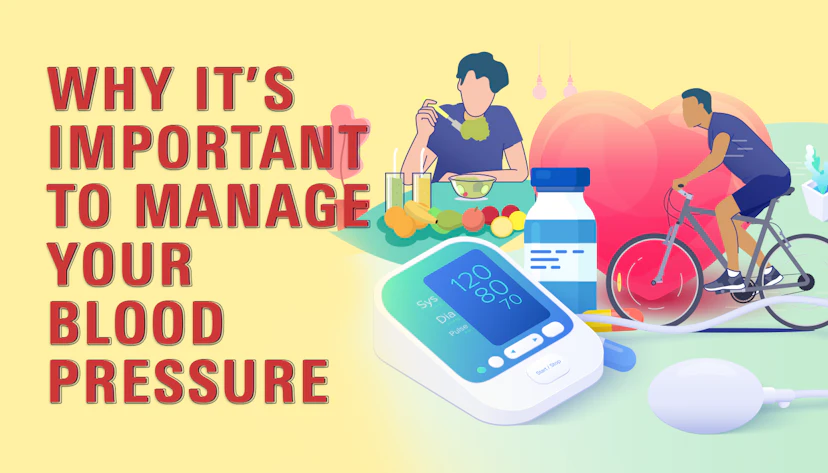
Why is it important to manage your blood pressure?
If blood pressure is elevated for too long it puts strain on the body and can lead to several serious and permanent health complications and conditions