Questions? Call us at 800-810-7790

- Sjögren’s syndrome is an autoimmune disease that mainly targets moisture-producing glands, causing dry eyes and dry mouth.
- It affects mainly women over 40 and can occur alone (primary) or with another autoimmune disease (secondary).
- Common symptoms include dry eyes, dry mouth, fatigue, joint pain, and swollen glands; severity varies from person to person.
- Treatment focuses on symptom relief with eye drops, saliva stimulants, anti-inflammatory drugs, or immune-modulating medications.
Overview
Sjögren’s syndrome is a chronic autoimmune disease where the immune system mistakenly attacks the glands that produce moisture, mainly in the eyes and mouth. This leads to symptoms like dry eyes and dry mouth, but the condition can also affect other parts of the body including joints, skin, nerves, and internal organs
Some feel fine most days. Others deal with flares that come and go, or symptoms that stick around.
There are two types. Both involve dryness, but the cause behind each one is different.
- Primary Sjögren’s: Occurs on its own.
- Secondary Sjögren’s: Develops alongside another autoimmune disease, such as lupus or rheumatoid arthritis.
The type does not change how it feels day to day, but it can affect how doctors treat it and what they watch for long-term.
How common is it:
Sjögren’s is more common than most think. However, it does not always get spotted right away. Many patients go years before getting a diagnosis.
- U.S. estimates: 1–4 million people may have it, with the actual number likely higher due to unreported or mild cases.
- Who it affects most: Women over 40 are most commonly diagnosed, though men and younger individuals can also develop it.
- Why it’s missed: Symptoms can mimic other conditions and may develop gradually, making diagnosis challenging.
Symptoms
The hallmark symptoms are dry eyes and dry mouth, but many people experience a wide range of issues.
Common symptoms:
- Dry eyes: Burning, itching, gritty sensation, blurry vision, sensitivity to light.
- Dry mouth: Chalky feeling, difficulty chewing/swallowing, increased cavities, mouth infections.
Other possible symptoms:
- Fatigue that doesn’t improve with rest
- Joint and muscle pain
- Dry skin, nose, throat, or vaginal area
- Swollen glands in the face or neck
- Difficulty speaking or swallowing
In some patients, the disease spreads beyond the moisture glands. It may affect nerves, lungs, kidneys, or the digestive system. Those cases are less common, but they happen.
Symptoms do not always come all at once. They can build slowly, fade, then come back again. Some days are worse than others. That’s part of what makes Sjögren’s tricky to catch early on.
Causes
Sjögren’s is caused by a malfunction in the immune system, which attacks moisture-producing glands. The exact cause is unknown, but several factors may contribute:
Possible causes:
- Genetic predisposition: Certain genes linked to immune function may increase risk.
- Environmental triggers: Viral or bacterial infections may activate the immune system abnormally.
Risk factors:
- Sex: Women are much more likely to develop Sjögren’s than men.
- Age: Most common after age 40.
- Family history: Having a close relative with an autoimmune disease increases risk.
- Other autoimmune diseases: People lupus or rheumatoid arthritis, are at higher risk.
- Hormonal changes: Estrogen may play a role, especially post-menopause.
Having these risk factors doesn’t guarantee someone will develop Sjögren’s, and people without any known risk factors can also be affected.
Diagnosis
Sjögren’s syndrome can be tricky to diagnose because its symptoms overlap with many other conditions. There’s no single test that confirms it, so doctors usually rely on a combination of exams, lab work, and imaging.
The process often includes:
- Medical history and physical exam: Your doctor will ask about symptoms like dry eyes or mouth, when they started, and how they’ve changed. They will examine your eyes, mouth, glands, and joints.
- Blood tests: Look for autoantibodies like anti-SSA (Ro) and anti-SSB (La), which are linked to autoimmune activity.
- Eye tests: Measure tear production and check for dryness-related damage.
- Saliva tests: Assess how well your salivary glands are working.
- Lip biopsy: A small tissue sample from the lip can show inflammation in salivary glands.
- Imaging: X-rays, ultrasound, or specialized scans may be used if there’s suspected involvement of joints or internal organs.
- Urine tests: These check kidney involvement if suspected.
Since Sjögren’s can affect multiple parts of the body, a diagnosis may require visits to different specialists, such as a rheumatologist, ophthalmologist, or dentist.
Treatment
There’s no cure for Sjögren’s, but treatments focus on relieving symptoms and preventing complications. Plans are tailored to each person depending on which parts of the body are affected.
Self-care & over-the-counter relief:
- Artificial tears or lubricating eye drops
- Sugar-free lozenges, mouth sprays, or gum for dryness
- Adjusting activities and pacing yourself to manage fatigue
Prescription treatments for inflammation and immune activity:
- NSAIDs (e.g., ibuprofen, naproxen) for joint pain and swelling—effective but may cause stomach irritation with frequent use.
- Steroids (e.g., prednisone) for flares—fast-acting, but long-term use can have side effects, so doctors aim for short courses.
- DMARDs (Disease-Modifying Antirheumatic Drugs) to calm the immune system and slow disease progression.(e.g., hydroxychloroquine, methotrexate, leflunomide)
Prescription treatments for dryness:
- For dry mouth: Aquoral spray, cevimeline (Evoxac), pilocarpine (Salagen)
- For dry eyes: Cyclosporine drops (Restasis), lifitegrast drops (Xiidra), varenicline nasal spray (Tyrvaya)
Prevention
There’s currently no proven way to prevent Sjögren’s syndrome. It’s not caused by lifestyle choices. Genetics, immune system changes, and past infections may all contribute, but the exact trigger is unknown.
What can help:
- Pay attention to persistent symptoms such as dry eyes, dry mouth, fatigue, or joint pain.
- Seek medical advice early to reduce the risk of complications.
- If you have another autoimmune condition, schedule regular check-ups to monitor for signs of Sjögren’s.
While the disease can’t be stopped before it starts, early detection and a personalized care plan can make symptoms easier to manage and improve long-term quality of life.
Related Topics
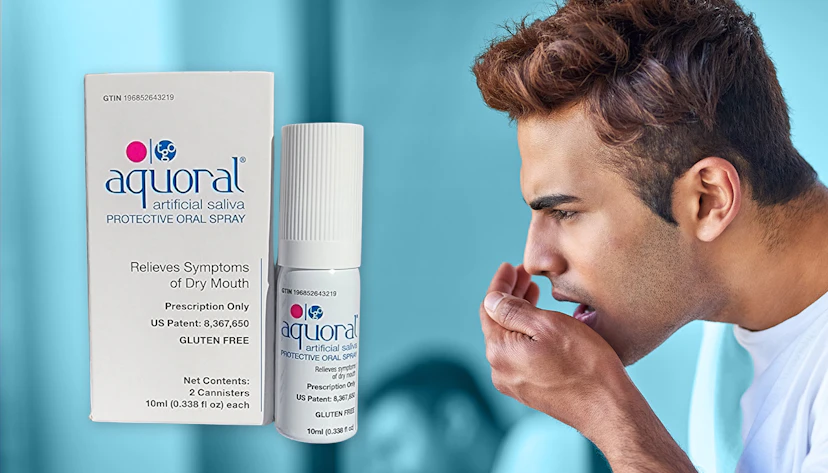
A Solution for Dry Mouth From Antidepressants
Dry mouth, or xerostomia, is one of the most common side effects of antidepressants. A 2023 systematic review found that dry mouth was the most frequently reported oral side effect of psychotropic drugs, showing up in 91% of cases where patients experienced any mouth-related symptoms.
Read more
What to do About Dry Mouth
Dry mouth, or xerostomia (zeer-oh-STOH-mee-ah), happens when your mouth doesn’t produce enough saliva to stay moist. Saliva is essential for a healthy and comfortable mouth. It helps clean your mouth, moistens and softens food, and makes swallowing and digestion easier.
Read more
5 Best Products for Dry Eye
Dry eye is a condition characterized by a burning, stinging, or tired feeling in the eyes. These symptoms can disrupt daily activities like using computers, wearing contacts, or driving at night. While eyes may appear red, there’s typically no goopy discharge or crusting.
Read more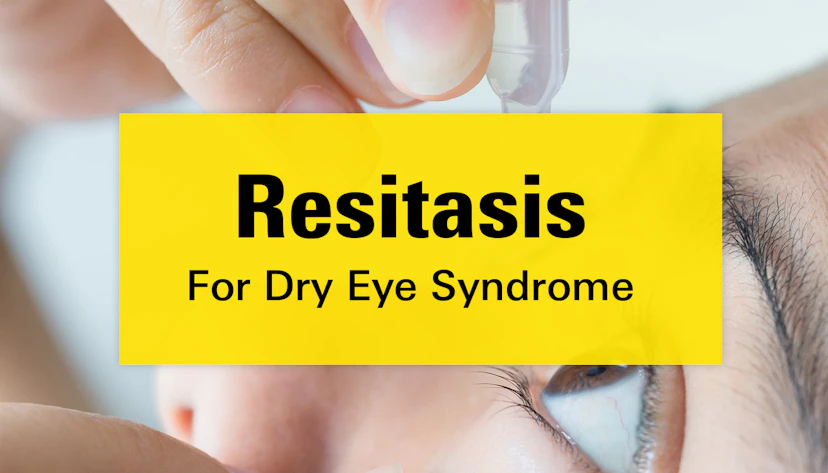
Restasis (Cyclosporine) for Dry Eye Syndrome
Restasis contains the active ingredient cyclosporine, which is an immunosuppressive agent. It works by modifying the immune response in the eyes to reduce inflammation.
Read more