Questions? Call us at 800-810-7790

- Birth control is any method, device, or medication that is used to prevent pregnancy.
- Birth control works by preventing sperm from meeting an egg, most commonly by stopping ovulation or making the uterus a hostile environment.
- There are many types of birth control, all with varying characteristics to fit with any individual’s needs and preferences.
- Some characteristics to consider when choosing a birth control method are prescription requirement, convenience of use, side effects, cost, and reversibility.
Overview
Birth control or contraception is any method, medication, procedure, or device that is used to protect someone against pregnancy. Anyone engaging in sexual activity should have access to information and the autonomy to make informed decisions regarding their reproductive health.
History
A significant milestone in reproductive health occurred in 1960 with the FDA's approval of the first birth control pill. Since then, oral contraceptives have been used safely and effectively by hundreds of millions of women worldwide. This initial breakthrough spurred significant advancements in contraceptive technology, leading to the development of numerous other safe and effective methods.
Today, a wide range of birth control options exists, each with varying levels of effectiveness, convenience, and safety considerations. This diverse selection allows individuals to choose a method that best suits their lifestyle, preferences, and reproductive goals, empowering them to prevent unintended pregnancies.
How It Works
The main purpose of birth control is to prevent sperm from meeting an egg. This can be achieved through various mechanisms, ranging from simple physical barriers like condoms to more complex hormonal methods that disrupt the menstrual cycle.
The menstrual cycle, typically lasting 21 to 36 days (averaging around 28), is regulated by fluctuating levels of estrogen and progesterone. This cycle prepares the egg and uterus for potential pregnancy.
Disrupting this process is a key way many birth control methods work, either by preventing sperm from reaching the egg or by making the uterine environment unsuitable for implantation.
Most forms of hormonal birth control work by providing synthetic forms of estrogen and progesterone (progestin) to the body to prevent the typical hormonal fluctuations.
Progestin has the major contraceptive effects:
- Ovulation Inhibition: Progestin is the primary contraceptive hormone. It primarily works by preventing the release of an egg from the ovary (ovulation).
- Cervical Mucus Thickening: Progestin also thickens the mucus in the cervix, making it difficult for sperm to travel through and reach the egg.
Many hormonal birth control methods, such as combination pills, are designed to mimic a typical menstrual cycle. They usually involve 3 weeks of hormone intake, followed by 1 week without hormones, which typically results in withdrawal bleeding that resembles a menstrual period.
Uses
While the primary use of birth control is to prevent pregnancy, many of these medications have additional indications for hormonal and menstruation-related conditions. These processes can impact certain symptoms and conditions related to the menstrual cycle, such as heavy menstrual bleeding.
Some of the FDA-approved indications of various birth control methods include:
- Pregnancy prevention
- Premenstrual dysphoric disorder (PMDD)*
- Acne*
- Menorrhagia (heavy menstrual bleeding)*
- Endometriosis
- Secondary abnormal uterine bleeding
*For individuals who also desire the use of birth control for contraception.
Some birth control methods have additional benefits, such as preventing sexually transmitted infections or preventing you from experiencing a period at all. While these are not approved indications, they are important things to consider when choosing which method best suits your needs.
Types
Finding the right birth control depends on your individual needs and lifestyle. Each method offers different levels of effectiveness, convenience, potential side effects, and cost. Other important factors to consider include whether the method is reversible, requires a prescription, and how private its use can be.
Over-the-Counter (OTC) Products
OTC birth control offers the advantage of easy access without a prescription. Except for the OPill, OTC methods are generally less effective than prescription options but offer the convenience of on-demand use. Common OTC methods include condoms, spermicides, and the OPill.
Condoms
A physical barrier worn on the penis to prevent sperm from entering the vagina.
Pros
- No hormonal side effects (except potential latex allergies).
- Protects against STIs.
- Used only when needed.
Cons
- Less effective than other methods due to potential breakage or improper use (85% typical use effectiveness).
- Requires interruption of sexual activity.
Spermicides
Chemicals that kill sperm or create a hostile environment in the vagina.
Pros
- Used only when needed.
- Available in various forms (foams, gels, coatings on condoms).
Cons
- Less effective than other methods (75-85% typical use effectiveness).
- Can cause vaginal and skin irritation, potentially increasing STI risk.
- Requires planning ahead for insertion.
OPill (Progestin-Only Pill/Mini-Pill)
A progestin-only oral contraceptive taken daily.
Pros
- More effective than other OTC methods (90-95% with correct use).
- No estrogen-related side effects.
- Convenient daily pill.
Cons
- Requires strict adherence to daily timing (within a 3-hour window).
- Can cause spotting and irregular periods.
- Requires daily use, even when not sexually active.
Prescription Products
Most birth control products are available with a prescription. These products require more discussion as they often come with additional risks and/or require a medical procedure.
Combination Pills: A Common and Effective Option
Combination pills are the most commonly prescribed oral contraceptive in the United States. They offer benefits like availability, affordability, discretion, safety, and effectiveness. When taken properly, they are 90-95% effective.
How They Work
These pills contain two synthetic hormones: estrogen and progestin. They typically come in packs of 28 pills. Within each pack, there are usually:
- Active Pills (21-24): These pills contain both estrogen and progestin.
- Inactive Pills (4-7): These pills contain no hormones. These "placebo" pills allow for a monthly withdrawal bleed, similar to a period.
Some pill packs eliminate the inactive pills altogether, allowing users to skip their monthly bleed. However, some spotting or breakthrough bleeding may still occur.
Benefits
- High Effectiveness: When taken consistently and correctly, combination pills are highly effective at preventing pregnancy.
- Availability and Affordability: They are widely available and generally affordable, especially with insurance coverage or assistance programs.
- Discretion: They offer a discreet method of contraception.
Potential Drawbacks and Considerations
- Side Effects: Some common side effects include breast tenderness, bloating, and irregular bleeding. These side effects often subside after the first few months.
- Daily Use: For maximum effectiveness, a pill must be taken at roughly the same time each day, which can be inconvenient for some.
- Not Suitable for Everyone: Because they contain estrogen, combination pills are not recommended for everyone. They can be unsafe for individuals with certain health conditions or risk factors, including:
- Smokers over the age of 35
- A personal or family history of blood clots
- Migraines with aura (visual or sensory disturbances)
- A personal or family history of breast cancer
Contraceptive Patch: A Convenient Weekly Option
The contraceptive patch offers a convenient alternative to daily pills, delivering similar hormones through the skin. Like combination birth control pills, it contains synthetic estrogen and progestin and is used in a 4-week cycle.
How They Work
- Application: A single patch is applied to clean, dry skin on the abdomen, buttocks, upper outer arm, or back. It should not be placed on the breasts.
- Weekly Changes: The patch is replaced with a new one on the same day each week for three weeks.
- Patch-Free Week: During the fourth week, no patch is worn, allowing for a withdrawal bleed similar to a period.
With consistent and correct use, the patch is estimated to be 90-95% effective at preventing pregnancy.
Benefits
- Weekly Application: Only requires changing once a week, eliminating the need for daily pills.
- Similar Effectiveness to the Pill: Offers comparable effectiveness to combination birth control pills when used correctly.
Potential Drawbacks and Considerations
- Similar Side Effects and Risks to the Pill: Because it contains estrogen, the patch carries similar side effects and risks as combination pills, including:: Because it contains estrogen, the patch carries similar side effects and risks as combination pills, including:
- Breast tenderness
- Bloating
- Spotting between periods
- Not Suitable for Everyone: The patch is not recommended for individuals with certain health conditions or risk factors, including:
- A history of migraines with aura
- A personal or family history of breast cancer
- A personal or family history of blood clots
- Smokers over the age of 35
- Reduced Effectiveness in Higher BMI: The patch may be less effective in individuals with a body mass index (BMI) of 30 kg/m² or higher.
- Visibility: Depending on placement, the patch may be visible to others, which could be a concern for some users.
- Skin Reactions: Some users may experience skin irritation or reactions at the application site. Rotating application sites can help minimize this.
Vaginal Ring: A Monthly Contraceptive Option
The vaginal ring is another effective contraceptive method that uses a combination of synthetic estrogen and progestin. It's used on a 4-week rotation, similar to the pill and patch, to mimic the natural menstrual cycle.
How They Work
- Insertion: A flexible ring is inserted into the vagina, much like inserting a tampon. It should be placed comfortably deep within the vagina; precise positioning isn't critical for effectiveness.
- Weekly Changes: The ring remains in place for three weeks (21 days). On the same day of the week it was inserted, it is removed and a new ring is inserted.
- Ring-Free Week: During the fourth week (7 days), no ring is used, allowing for a withdrawal bleed similar to a period.
When used correctly and consistently, the vaginal ring is estimated to be 90-95% effective at preventing pregnancy.
Benefits
- Monthly Changes: Only requires insertion and removal once a month, offering a convenient alternative to daily pills or weekly patches.
- Similar Effectiveness to Other Hormonal Methods: Provides comparable effectiveness to combination pills and the patch.
Potential Drawbacks and Considerations
- Similar Side Effects and Risks to Other Combination Methods: Because it contains estrogen, the vaginal ring shares similar side effects and risks with combination pills and the patch, including:
- Breast tenderness
- Spotting or breakthrough bleeding
- Vaginal irritation or discharge
- Not Suitable for Everyone: Like other estrogen-containing contraceptives, the ring is not recommended for individuals with certain health conditions or risk factors, including:
- Smokers over the age of 35
- A history of migraines with aura
- A personal or family history of breast cancer
- A personal or family history of blood clots
- Potential for Expulsion: Although uncommon, the ring can sometimes be expelled. If this happens, it can be rinsed with cool to lukewarm water and reinserted immediately. If it's out for more than three hours, backup contraception should be used for seven days.
- Partner Awareness: Some individuals or their partners may be aware of the ring during intercourse, although this is usually not problematic.
Intrauterine Device (IUD): A Long-Term, Highly Effective Option
The IUD is a small, T-shaped device inserted into the uterus to prevent pregnancy. It's one of the most effective forms of birth control available, offering long-term, reversible protection.
How They Work
An IUD is inserted by a healthcare provider during an office visit. Once in place, it provides continuous contraception for several years, depending on the type. IUDs are more than 99% effective at preventing pregnancy. While long-lasting, fertility returns quickly after removal.
Benefits
- Highly Effective: IUDs are among the most effective reversible contraceptive methods.
- Long-Term Protection: Provides continuous contraception for 3-10 years, depending on the type.
- Reversible: Fertility returns quickly after removal.
- Low Maintenance: Requires no daily, weekly, or monthly attention after insertion.
Potential Drawbacks and Considerations
- Insertion Process: The insertion process can be uncomfortable or painful for some individuals. Pain management options are available and should be discussed with a healthcare provider.
- Rare Risks: Although rare, there are risks associated with IUD insertion, including infection and uterine perforation (puncture of the uterus).
- Not Suitable for Everyone: Certain medical conditions may make IUD insertion inadvisable. A healthcare provider can determine if an IUD is right for you.
There are two main types of IUDs: hormonal and copper.
- Hormonal IUD
- Releases levonorgestrel, a synthetic form of progestin.
- Effective for 3-8 years, depending on the specific brand.
- Generally associated with fewer systemic side effects than other hormonal birth control methods because it acts locally within the uterus.
- Often reduces menstrual bleeding and cramping, and in some cases can stop periods altogether.
- Copper IUD
- Hormone-Free: Contains no hormones.
- Creates a toxic environment for sperm within the uterus, preventing fertilization.
- Effective for up to 10 years.
- Can cause heavier and/or longer periods, especially in the first few months after insertion.
- May increase menstrual cramping.
Contraceptive Implant: A Long-Acting, Highly Effective Option
The contraceptive implant is a small, thin, flexible rod inserted under the skin of the upper arm. In the United States, the only available implant is Nexplanon. This method offers highly effective, long-lasting, and reversible contraception.
How They Work
The implant is inserted by a healthcare provider during an office visit. It releases a continuous, low dose of progestin, a synthetic form of progesterone, to prevent pregnancy.
Benefits
- Highly Effective: The implant is more than 99% effective at preventing pregnancy, making it one of the most reliable forms of birth control.
- Long-Term Protection: Provides continuous contraception for 3-10 years, depending on the type.
- Reversible: Fertility returns quickly after removal.
- Convenient: Requires no daily, weekly, or monthly attention after insertion.
Potential Drawbacks and Considerations
- Menstrual Changes: The most common side effect is changes in menstrual bleeding patterns, including irregular periods, spotting, lighter periods, no periods at all.
- Other Hormonal Side Effects: Some individuals may experience other hormonal side effects, such as breast tenderness, acne, headache, mood changes, weight changes.
- Insertion and Removal: The insertion and removal procedures are typically quick and performed in-office, but some discomfort or pain may be experienced. Local anesthetic is usually used.
- Potential for Scarring: There is a small risk of scarring at the insertion site.
- Rare Complications: In rare cases, the implant may migrate from its original location, requiring a more complex removal procedure. Infection at the insertion site is also a rare possibility.
Contraceptive Injection
The contraceptive injection, known as Depo-Provera, is a progestin-only birth control method. It is administered by injecting the hormone into the muscle once every three months. This hormone works by preventing ovulation, thickening cervical mucus to block sperm, and thinning the uterine lining to prevent implantation.
Benefits
- Highly Effective: When used on the correct schedule, Depo-Provera is about 95% effective in preventing pregnancy.
- Convenience: Only requires an injection every three months.
- No Daily Pill: Eliminates the need to remember to take a daily contraceptive pill.
Potential Drawbacks and Considerations
- Irregular Periods: One of the main side effects is irregular and/or prolonged periods, especially during the first 3-6 months of use.
- Long-Lasting Effects: The effects of the injection can last up to a year after stopping, meaning contraceptive effects and irregular periods may persist.
- Delayed Fertility: While there is no permanent effect on fertility, it may take some time for normal menstrual cycles and fertility to return after stopping the injections. This may not be ideal for those who wish to conceive immediately after discontinuing use.
Surgical Procedures
The most effective methods of birth control are the surgical procedures that cause physical changes to reproductive organs. There are two procedures available: tubal ligation and a vasectomy.
Tubal Ligation
Tubal ligation is a highly effective and permanent form of birth control for individuals with a uterus. It's a surgical procedure where the fallopian tubes are blocked or severed, preventing sperm from reaching the eggs.
Tubal ligation is considered over 99% effective in preventing pregnancy. Since this procedure is intended to be permanent, it is recommended individuals who are absolutely certain they do not desire future pregnancies.
Benefits
- Highly Effective: When used on the correct schedule, Depo-Provera is about 95% effective in preventing pregnancy.
- Long-Term Convenience: Eliminates the need for other birth control methods after the procedure.
Risks and Considerations
- Surgical Procedure: Involves inherent surgical risks such as bleeding and infection.
- Irreversibility: The procedure is generally considered permanent.
- Not Suitable for Future Childbearing: Not an option for individuals who may wish to have biological children in the future.
Vasectomy
Similar to tubal ligation, a vasectomy is a highly effective and permanent form of birth control for men.
Procedure: A vasectomy is a minimally invasive surgical procedure where the vas deferens, the tubes that transport sperm, are severed or blocked. This prevents sperm from being released during ejaculation.
Impact on Sexual Function
- Testosterone levels remain unchanged after a vasectomy.
- Sperm production continues in the testicles, but it is reabsorbed by the body.
- Ejaculation still occurs, but it primarily consists of other fluids.
Effectiveness: Vasectomies are considered over 99% effective in preventing pregnancy. It eliminates the need for other forms of birth control after the procedure.
Risks and Reversibility: Like any kind of surgery, there are also risks to the procedure such as bleeding or infection. Unlike tubal ligation, this method of contraception can usually be reversed if an individual decides they do wish to have children. This is not always possible, however, as the reversal is sometimes unsuccessful.
Related Topics
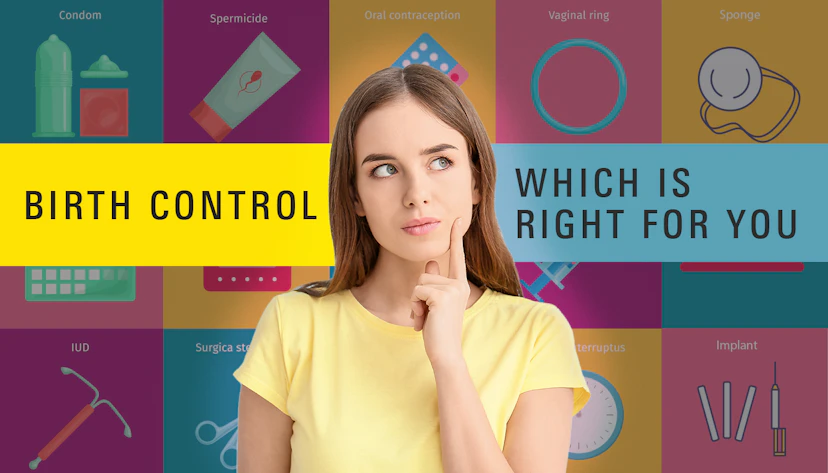
Types of Birth Control
Birth control is a form of contraception that is 99% effective at preventing pregnancy when taken regularly every day. There are various forms of birth control, including nonhormonal and hormonal.
Read more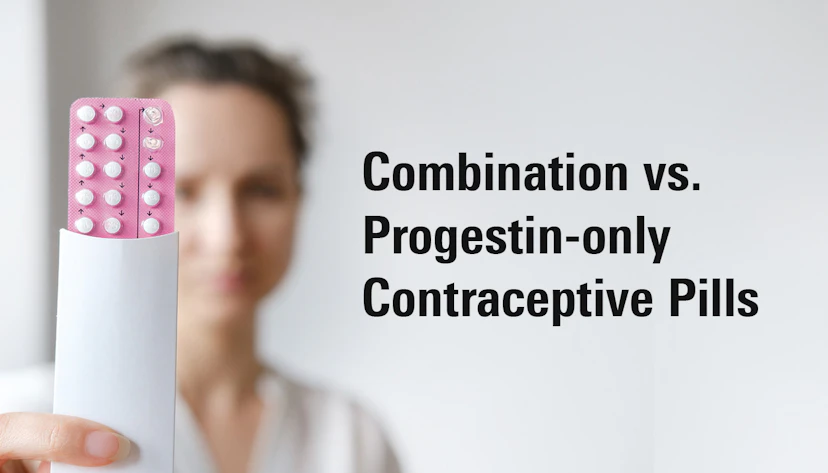
The Differences Between Combination vs. Progestin-only Contraceptive Pills
Progestin-only pills (minipills) and combination pills (the pill) are two different types of oral contraceptives. Progestin-only pills only contain progestin, a synthetic form of progesterone. Combination pills contain both estrogen and progestin.
Read more
Yaz vs Slynd
Yaz is a combination pill that contains two active ingredients, ethinyl estradiol and drospirenone. Slynd, on the other hand, is a progestin-only pill (POP), also known as the "mini-pill." Its main ingredient is drospirenone, a progestin.
Read more
What To Do When You Miss A Birth Control Pill
If you are taking birth control pills, which come in two types (combination pills and progestin-only pills), your response to missing a pill(s) depends on the type you are using.
Read more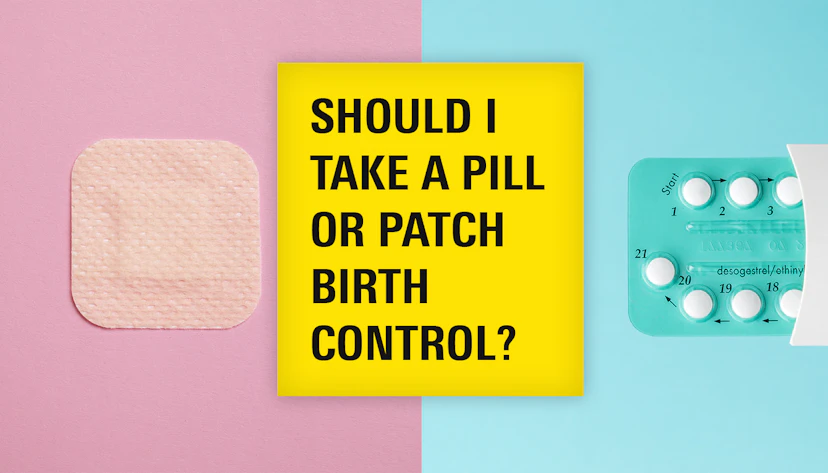
Should I Take A Pill or Patch?
Both methods are hormonal contraceptives and work in similar ways by delivering synthetic hormones (usually a combination of estrogen and progestin) to prevent pregnancy. The main difference is the methods of delivery.
Read more