Questions? Call us at 800-810-7790

- An aortic aneurysm is a balloon-like bulge in the wall of the aorta, the main artery that carries blood from the heart to the body.
- There are two main types—abdominal aortic aneurysm (AAA), which occurs in the belly, and thoracic aortic aneurysm (TAA), which occurs in the chest .
- If an aneurysm grows too large, it can rupture or tear, causing life-threatening internal bleeding.
- Often silent until serious. When symptoms appear, they may include chest, back, or abdominal pain, or a pulsing sensation in the abdomen.
- Common causes include aging, high blood pressure, smoking, and genetic conditions like Marfan or Ehlers-Danlos syndrome. Higher risk in men over 65, especially those who smoke or have a family history of aneurysms.
- Small aneurysms may just be monitored. Larger or fast-growing ones may require surgery, either open repair or a less invasive endovascular repair (EVAR).
Overview
An aortic aneurysm is a bulge that forms in a weakened section of the aorta, the body’s largest artery. This artery carries oxygen-rich blood from the heart to the rest of the body. Its walls must be strong and flexible to withstand high blood pressure.
Over time, various factors can weaken the aorta's wall. This weakened area may gradually lose its ability to contain the blood pressure, leading to the formation of an aneurysm, a balloon-like bulge.
Often, an aortic aneurysm grows silently for many years without noticeable symptoms. However, this seemingly quiet condition can become life-threatening.
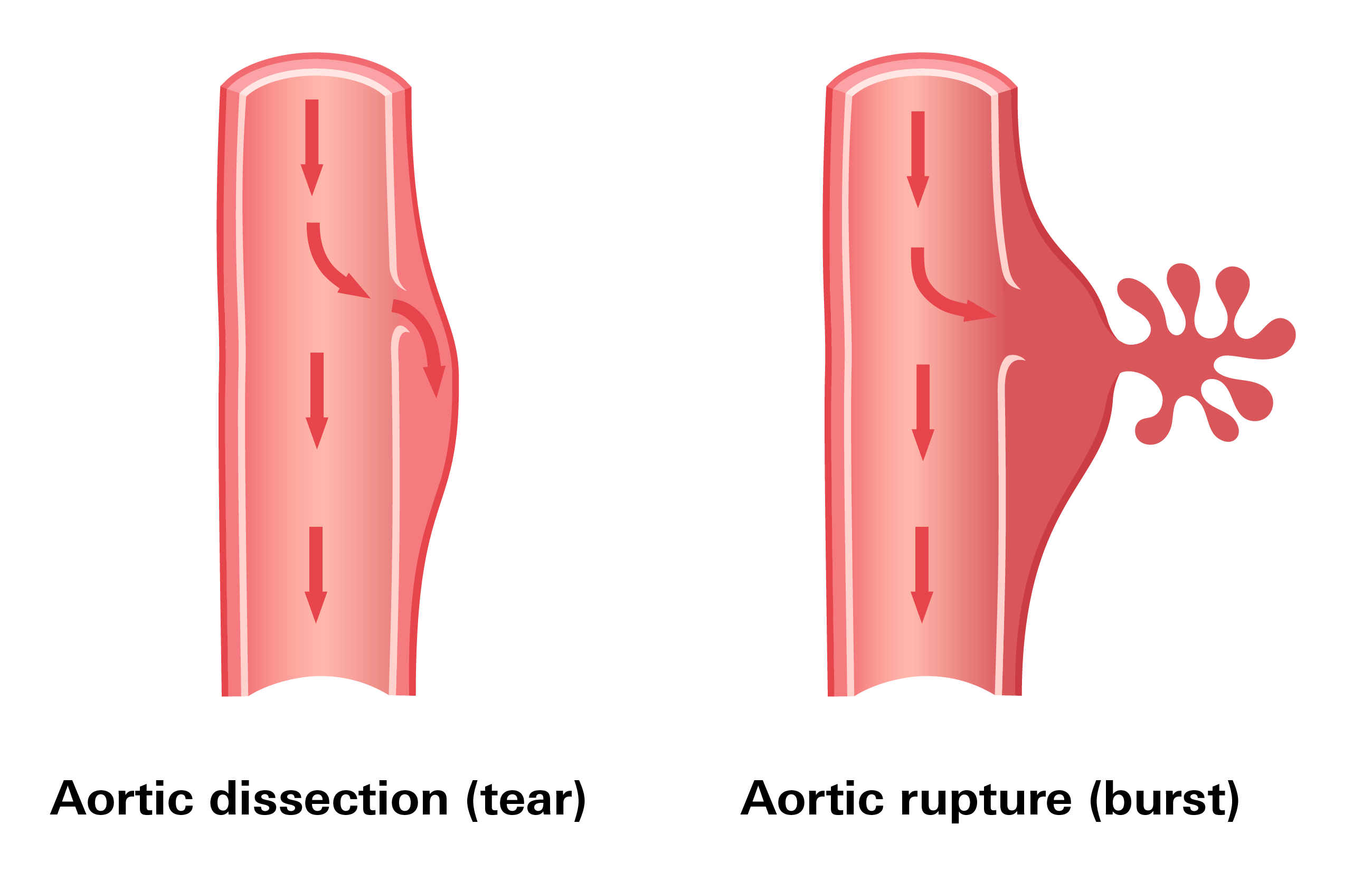
As the aneurysm expands, the aortic wall becomes thinner and more fragile. Eventually, the pressure of blood flow can cause the weakened wall to tear (dissection) or rupture (burst). Both of these events can lead to rapid internal bleeding, shock, organ damage, and even death.
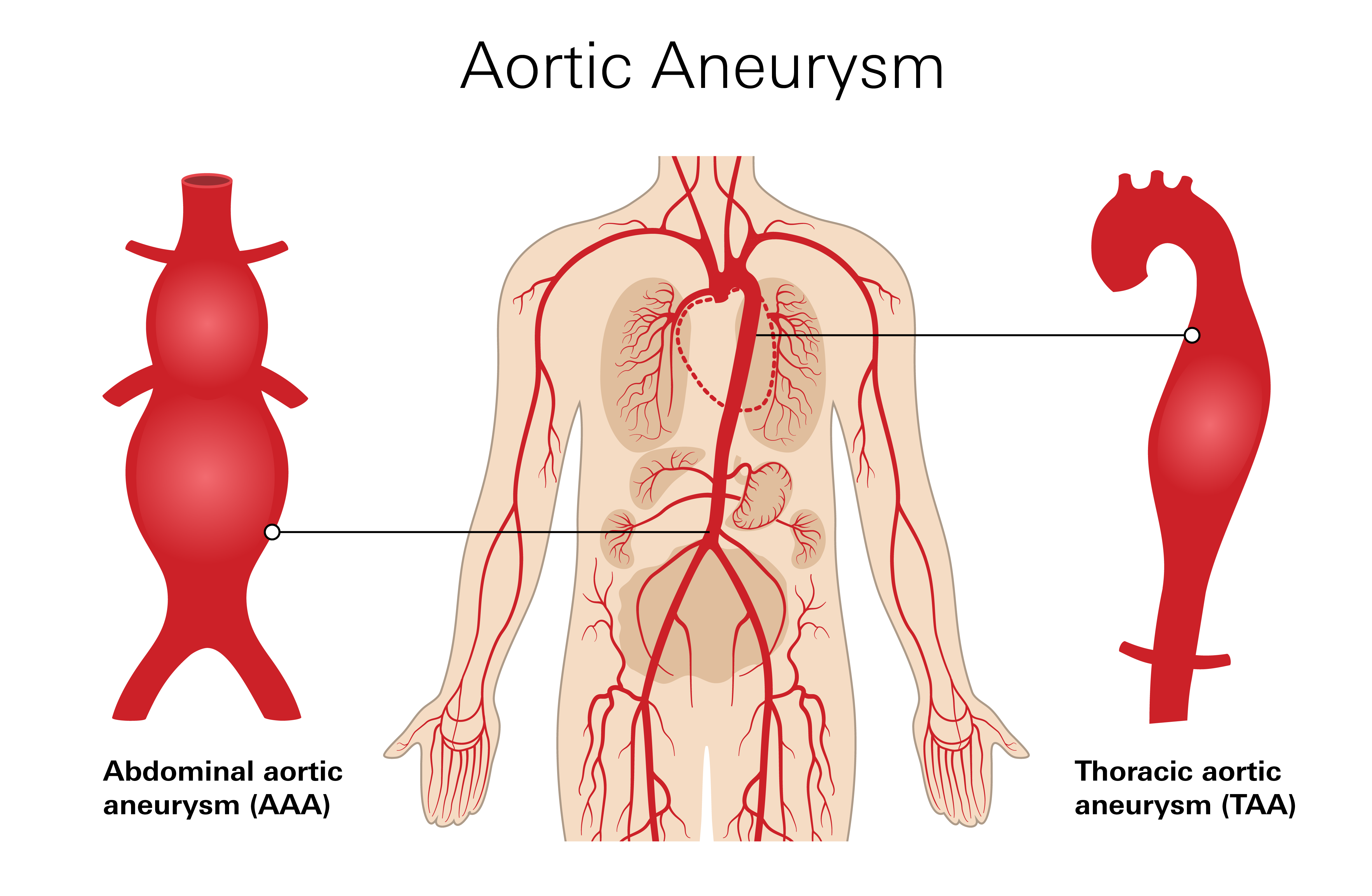
Aortic aneurysms are classified by their location:
- Thoracic aortic aneurysm (TAA): This type occurs in the part of the aorta located in the chest. TAAs are less common than abdominal aortic aneurysms and are often associated with high blood pressure, aging, or inherited connective tissue disorders.
- Abdominal aortic aneurysm (AAA): This is the more common type, forming in the section of the aorta that passes through the abdomen. AAAs are more prevalent in men over 65, particularly those with a history of smoking or high blood pressure.
Regardless of the location, both TAAs and AAAs can expand without causing symptoms and pose a significant risk of rupture or dissection if they become too large.
Prevalence
Aortic aneurysms and dissections are serious but often silent conditions. In 2019, they were responsible for nearly 9,904 deaths in the United States. Of these, about 59% occurred in men.
Men over the age of 65 are particularly at risk, especially those with a history of smoking or high blood pressure. In fact, smoking is linked to approximately 75% of all abdominal aortic aneurysms. Because these aneurysms often develop without symptoms, many go undetected until they become life-threatening.
Although the number of deaths may seem small compared to other leading causes, the potential for sudden, fatal complications makes early detection critical. Most aneurysms are discovered incidentally during imaging tests done for other reasons.
The U.S. Preventive Services Task Force recommends a one-time ultrasound screening for men aged 65 to 75 who have ever smoked, even if they have no symptoms. Early diagnosis can lead to monitoring or timely treatment.
Symptoms
One of the reasons aortic aneurysms go unnoticed is that they don't cause any symptoms, especially when they are small. Aneurysms are often discovered during medical imaging for unrelated health concerns.
However, as an aneurysm grows larger or begins to press on surrounding body structures, certain warning signs may emerge. These symptoms can vary depending on the aneurysm's location.
Thoracic Aortic Aneurysm (TAA) Symptoms (in the chest)
- Chest pain or a deep, dull ache in the upper back
- Hoarseness or difficulty swallowing, which can occur if the aneurysm presses on nearby nerves or the esophagus
- Shortness of breath
Abdominal Aortic Aneurysm (AAA) Symptoms (in the abdomen)
- A pulsating sensation in the abdomen, similar to a heartbeat
- Pain in the lower back or side
- A persistent, dull ache in the belly
Ruptured or Dissecting Aortic Aneurysm (Emergency)
If an aneurysm tears (dissection) or bursts (rupture), it becomes a life-threatening emergency. Immediate medical attention is critical if you experience any of the following:
- Sudden, severe, and intense pain in the chest, abdomen, or back
- Lightheadedness or fainting
- Rapid heartbeat
- Nausea or vomiting
- Cold and clammy skin
- Loss of consciousness
If you experience any of these emergency symptoms, call 911 immediately. A ruptured aneurysm causes massive internal bleeding and requires urgent medical attention..
Even if the pain doesn't initially feel extreme, any new, intense, or unusual pain should be evaluated by a healthcare professional. These warning signs may indicate a serious underlying issue.
Causes
Several factors can contribute to the weakening of the aorta's wall, leading to an aneurysm:
- Aging: Over time, the tissues in blood vessels lose some of their firmness. This age-related wear and tear can make the aorta's walls more susceptible to stretching or weakening in specific areas.
- High Blood Pressure: Persistent high blood pressure puts excessive force on the aorta's walls. This can damage the inner lining of the aorta, particularly if the blood pressure is not well-managed.
- Smoking: The chemicals in tobacco are harmful to blood vessel structure. Smoking accelerates the weakening process of the aorta, especially in the abdominal region.
- Genetic Conditions: Some individuals are born with conditions that affect the body's connective tissue, which provides strength and flexibility to blood vessel walls. Marfan syndrome and Ehlers-Danlos syndrome are examples of genetic disorders that can increase the likelihood of the aorta stretching or tearing.
- Infections and Trauma: Less frequently, infections that reach the aorta or injuries from trauma can damage the artery wall and potentially lead to aneurysm formation.
Risk Factors
Certain traits, health conditions, and lifestyle habits can increase the likelihood of developing an aortic aneurysm:
- Age and Sex: The risk increases with age, especially after 65. Men are more likely to develop abdominal aortic aneurysms, but women face a higher risk of rupture at smaller aneurysm sizes.
- Family History: Having a first-degree relative (parent, sibling, or child) with an aortic aneurysm significantly raises your risk. Some doctors recommend screening based on family history alone.
- Genetic Disorders: Inherited connective tissue conditions like Marfan syndrome, Ehlers-Danlos syndrome, and others weaken the structure of blood vessels, making aneurysms more likely.
- Smoking and Drug Use: Smoking damages the inner lining of arteries and promotes plaque buildup, which weakens vessel walls. Use of stimulant drugs like cocaine can cause sudden spikes in blood pressure, increasing the risk of aortic tears or rupture.
- Underlying Health Problems: Several chronic conditions can contribute to aneurysm development.
- High blood pressure – puts constant strain on artery walls
- High cholesterol – contributes to plaque buildup
- Atherosclerosis – hardening and narrowing of arteries
- Heart disease – especially involving coronary arteries
- Chronic lung disease (COPD) – linked to systemic inflammation
- Kidney disease – especially inherited or long-term conditions
- Obesity – increases strain on the heart and blood vessels
- Other aneurysms – having one aneurysm may indicate a general tendency toward weak blood vessels
Diagnosis
Common diagnostic tests for aortic aneurysms include:
- Ultrasound: Commonly used to detect abdominal aortic aneurysms. It uses sound waves to create images and measure the size of the bulge.
- CT Scan: Offers highly detailed cross-sectional images of the aorta. It’s especially useful for evaluating the size, shape, and location of the aneurysm and for planning surgery.
- MRI: Produces clear images of blood vessels without using radiation. It may be used for follow-up or when more detail is needed.
- Echocardiogram: Uses sound waves to examine the heart and nearby arteries, particularly helpful for thoracic aneurysms.
Once an aneurysm is found, its size and growth rate are monitored regularly. This helps guide decisions about whether to continue observation or begin treatment.
Treatment
Treatment for an aortic aneurysm depends on several factors, including its size, location, rate of growth, and your overall health.
Monitoring (Watchful Waiting)
When an aneurysm is small and not causing symptoms, the focus may be on reducing the risk of it worsening. Medications are often prescribed to lower the pressure within your arteries.
If you have high cholesterol, your doctor may recommend statins to lower cholesterol levels. Reducing cholesterol can help slow the buildup of plaque in your arteries, which contributes to the long-term health of your blood vessels.
Surgical Repair
Surgery is typically recommended when the aneurysm reaches a certain size, grows rapidly between check-ups, or begins to cause symptoms. In emergency situations, such as a rupture or dissection, immediate surgery is necessary.
- Open Repair Surgery: A large incision is made in the chest or abdomen to access the aorta. The weakened section is removed and replaced with a synthetic graft.
Recovery: Several weeks in total, with a hospital stay of about 5–7 days. - Endovascular Aneurysm Repair (EVAR): A less invasive option. A small incision is made near the groin, and a stent graft is guided through the blood vessels to the aneurysm. The graft reinforces the artery from the inside.
Recovery: Typically shorter, with many patients going home within a day or two.
Prevention
While not all aortic aneurysms can be prevented, there are several steps you can take to reduce your risk or slow the growth of an existing aneurysm.
1. Quit Smoking
Smoking is one of the strongest risk factors for abdominal aortic aneurysms. It damages the inner lining of arteries, weakens vessel walls, and accelerates the changes that lead to aneurysm formation. Quitting smoking can significantly reduce your risk and slow the progression of an existing aneurysm.
2. Control Blood Pressure
High blood pressure puts constant stress on the aorta. Over time, this pressure can weaken the artery wall and increase the risk of an aneurysm. Managing your blood pressure through medication, a heart-healthy diet, regular exercise, and stress reduction is essential for prevention.
3. Manage Cholesterol
High cholesterol contributes to plaque buildup in the arteries, which can narrow blood vessels and increase pressure on the aortic wall. Keeping cholesterol levels in check—through diet, exercise, and medications like statins—helps protect your arteries and reduce aneurysm risk.
4. Maintain a Healthy Lifestyle
Regular physical activity, a heart-supportive diet, and maintaining a healthy weight contribute to stronger arteries and better circulation. These habits can reduce the strain on your blood vessels and promote overall cardiovascular health.
5. Get Screened if You’re at Risk
The U.S. Preventive Services Task Force recommends a one-time ultrasound screening for:
- Men aged 65 to 75 who have ever smoked
- eople with a first-degree relative who had an aortic aneurysm
Early detection allows for monitoring and timely treatment before complications occur.
Related Topics

The Value of Beta Blockers
Beta-blockers have been around since the 1960s, but there are now a variety of beta-blockers on the market, with many of them being used to treat various conditions.
Read more
Angiotensin-Converting Enzyme (ACE) Inhibitors
Suppose you struggle with hypertension (high blood pressure), and/or a variety of other cardiovascular conditions, such as heart failure. In that case, angiotensin-converting enzyme (ACE) inhibitors may be the right drug class for you.
Read more
What Is a Angiotensin Receptor Blocker?
ARBs reduce your blood pressure by preventing the action of angiotensin II. Angiotensin II is a hormone that makes your blood vessels narrow/constrict.
Read more