Questions? Call us at 800-810-7790

- PMS (Premenstrual Syndrome) is a common condition with physical, emotional, and behavioral symptoms occurring before menstruation.
- PMDD (Premenstrual Dysphoric Disorder) is a severe form of PMS with intense and debilitating symptoms. It's classified as a mood disorder.
- Both conditions occur during the luteal phase, between ovulation and menstruation, and symptoms typically improve after menstruation begins.
- Common symptoms include mood swings, bloating, breast tenderness, fatigue, and irritability. PMDD symptoms are more intense and can significantly impact daily life.
- Both conditions are linked to hormonal fluctuations, particularly in estrogen and progesterone, which affect brain chemicals like serotonin.
- PMS can be managed with lifestyle changes, medications, and supplements. PMDD often requires specific treatments like SSRIs, hormonal therapies, and cognitive behavioral therapy (CBT).
Overview
PMS
Premenstrual syndrome (PMS) refers to a range of physical, emotional, and behavioral changes that occur in the days leading up to menstruation (your period). These changes are linked to the hormonal fluctuations of the menstrual cycle.

PMS symptoms typically appear during the luteal phase (the time between ovulation and the start of your period) and usually improve within a few days after your period begins. The experience of PMS varies greatly; some individuals experience mild and infrequent changes, while others experience more intense symptoms that can disrupt their daily routines.
PMDD
Premenstrual dysphoric disorder (PMDD) is a more severe form of PMS. It is characterized by significantly more intense and debilitating emotional, behavioral, and physical symptoms that can significantly interfere with daily activities, relationships, and overall functioning. Because of its severity, PMDD is considered a distinct medical condition requiring specific attention and treatment.
Key Difference
Like PMS, PMDD occurs during the luteal phase of the menstrual cycle. However, the key difference between PMS and PMDD lies in the intensity of the symptoms. PMDD involves overwhelming symptoms, particularly mood-related changes, that can impair an individual's ability to function effectively.
PMDD is classified as a mood disorder in the Diagnostic and Statistical Manual of Mental Disorders (DSM-5). However, it is important to note that PMDD is not the same as major depressive disorder or anxiety disorders. The symptoms of PMDD are directly linked to the menstrual cycle and consistently resolve after menstruation begins.
The specific symptoms of PMDD can vary. Some individuals may primarily experience emotional symptoms, such as severe irritability or sadness, while others may experience a combination of emotional and physical symptoms.
Prevalence
PMS
MS affects approximately 75% of women of reproductive age in the United States to some degree. However, only about 20% to 30% experience severe symptoms that interfere with daily life.
While PMS can occur at any age during the reproductive years, it tends to be more common in women in their late 20s to early 40s, those with a history of mood disorders, or women with a family history of PMS or related conditions.
PMDD
PMDD is less common than PMS, but it still affects 3% to 8% of women in the United States. This means millions of women experience this condition each year, making it a serious health concern for many.
PMDD is most likely to occur in women in their 20s, 30s, and 40s, with symptoms often starting in the late teens or early adulthood. Women with a personal history of depression or anxiety, or those with a family history of PMDD, may be more likely to develop this condition.
Symptoms
Shared PMS and PMDD Symptoms
PMS symptoms vary in severity from woman to woman. For some, these symptoms are mild and manageable, while for others, they can significantly impact their quality of life. PMDD includes many of the same symptoms but at a more intense level.
Physical
- Bloating and fluid retention
- Breast tenderness or swelling
- Headaches or migraines
- Joint or muscle pain
- Fatigue or low energy levels
- Changes in appetite (food cravings or decreased appetite)
- Digestive issues (constipation, diarrhea, nausea)
- Acne flare-ups
Emotional/Mental
- Mood swings
- Irritability or anger
- Anxiety or tension
- Depressive feelings (sadness, hopelessness)
- Difficulty concentrating or focusing
- Social withdrawal
- Changes in sleep patterns (insomnia or excessive sleepiness)
- Changes in libido
Distinct PMDD Symptoms (More Severe)
- Intense irritability or anger
- Persistent feelings of sadness or hopelessness
- Feeling overwhelmed or out of control
- Loss of interest in activities once enjoyed
- Difficulty completing daily tasks
Causes
While the exact causes of PMS and PMDD are not fully understood, both are strongly linked to hormonal fluctuations during the menstrual cycle. Specifically, changes in estrogen and progesterone levels during the luteal phase (the time between ovulation and the start of your period) are believed to play a significant role.
These hormonal shifts can influence brain chemicals, such as serotonin, which affects mood, appetite, and sleep. This influence is thought to be a key contributor to the symptoms of both PMS and PMDD.
PMS
In the case of PMS, while hormonal changes are the primary driver, other factors can worsen symptoms. These include stress, lack of sleep, and certain lifestyle choices. Genetics may also play a role; if other family members experience PMS, you may be more likely to experience it as well. It's important to note that these contributing factors are not the root cause of PMS, but rather can exacerbate existing symptoms.
PMDD
PMDD is thought to result from an increased sensitivity to the same hormonal changes that contribute to PMS. Women with PMDD may have a more intense response to the fluctuations in estrogen and progesterone, leading to the more severe emotional and physical symptoms characteristic of the disorder.
Like PMS, these symptoms typically begin a week or two before menstruation and resolve within a few days after the period starts. PMDD generally continues throughout a woman's reproductive years, though it may improve or resolve completely after menopause, when hormonal fluctuations decrease significantly.
Complications of PMDD
The severe emotional and mental effects of PMDD may affect relationships, work, school, and overall daily life. Without proper management, mood-related changes in PMDD can increase your likelihood of developing or worsening other mental health conditions.
One significant complication of PMDD is its connection to mood disorders such as depression and anxiety. Many women with PMDD may already have these conditions, and the hormonal sensitivity associated with PMDD can make symptoms more severe.
In some cases, the intense feelings of sadness, irritability, or hopelessness may contribute to a higher risk of self-harm or thoughts of suicide; that is why timely care and treatment are very important with this condition.
PMDD may also lead to physical complications over time. Chronic fatigue, poor sleep, and digestive problems can disrupt healthy routines, potentially causing long-term effects if not managed effectively.
Additionally, the social and professional challenges that often result from PMDD, such as strained relationships or reduced productivity, can have a lasting impact on quality of life.
Risk Factors for PMDD
PMDD does not affect all women who experience periods, but certain factors may increase your likelihood of developing this condition. It's important to understand that these are risk factors, not guarantees of developing PMDD. Having one or more of these factors doesn't mean you will have PMDD, but it does suggest you might be more susceptible.
- History of depression, anxiety, or other mood disorders
- Family history of PMDD or severe PMS symptoms
- Exposure to significant stress or past trauma
- Sensitivity to hormonal fluctuations during your menstrual cycle
- Age, with symptoms commonly appearing in your late teens to 40s
- Approaching perimenopause with worsening hormonal changes
- Lifestyle factors, such as poor sleep, low physical activity, or an unbalanced diet
- History of postpartum depression or mood changes during pregnancy
- Use of hormonal birth control, which may exacerbate symptoms in some women
- Chronic illnesses or conditions that affect overall physical or mental health
- Substance use, including alcohol or recreational drugs
- Lack of social support or feelings of isolation during stressful periods
- Nutritional deficiencies, such as low levels of magnesium or certain vitamins
Diagnosis
PMDD is diagnosed based on clinical criteria outlined in the Diagnostic and Statistical Manual of Mental Disorders (DSM-5). This involves tracking symptoms over at least 2 menstrual cycles to confirm their timing, severity, and impact on daily life.
Symptoms must occur during the luteal phase (after ovulation), and resolve shortly after menstruation begins. A diagnosis also requires ruling out other conditions that may cause similar symptoms, such as depression, anxiety, or thyroid disorders.
Typically, gynecologists or primary care physicians diagnose PMDD, as they are often the first to assess menstrual-related concerns. In cases where emotional or mental health symptoms are severe, psychiatrists may be involved in the diagnosis and treatment plan.
Treatment
Managing PMDD involves a combination of therapies and treatment options to reduce symptoms and improve quality of life. Keep in mind that treatment plans are often individualized to match the severity of symptoms.
Medications for PMDD
- SSRIs (Selective Serotonin Reuptake Inhibitors): These antidepressant are often the first-line treatment for PMDD. Drugs like fluoxetine (Prozac), sertraline (Zoloft), and paroxetine (Paxil) work by increasing serotonin levels in the brain, which can help regulate mood.
- Birth Control Pills: Certain hormonal birth control pills can help stabilize hormone fluctuations and reduce PMDD symptoms by suppressing ovulation. Pills containing drospirenone and ethinyl estradiol are often prescribed for this purpose.
- GnRH Agonists (Gonadotropin-Releasing Hormone Agonists): These medications are not usually a first-choice treatment. They work by suppressing ovarian activity and creating a temporary menopausal state, which eliminates hormonal cycling. They are generally reserved for severe cases of PMDD when other treatments haven't been effective.
- NSAIDs (Nonsteroidal Anti-Inflammatory Drugs): Over-the-counter medications like ibuprofen (e.g., Advil, Motrin) or naproxen (e.g., Aleve) can help relieve physical symptoms such as cramps, joint pain, and headaches.
Supplements
- Calcium: Daily calcium supplementation has been shown to help reduce mood-related symptoms and physical discomfort.
- Vitamin B6: This may improve mild emotional and physical symptoms.
- Magnesium: Can help with bloating, fluid retention, and mild mood changes.
Therapy
CBT (Cognitive Behavioral Therapy): CBT is a type of therapy that can be very effective in managing the emotional and behavioral symptoms of PMDD. It helps individuals develop coping strategies and learn to reframe negative thought patterns.
Healthy Habits
Although not a standalone treatment for severe PMDD, healthy habits can support other treatments. Recommendations include regular exercise, a balanced diet, stress management techniques, and prioritizing quality sleep.
Prevention
PMDD cannot be entirely prevented, as it is closely tied to hormonal fluctuations during the menstrual cycle. However, managing contributing factors and implementing certain therapies may reduce the severity of symptoms or help prevent them from worsening.
Maintaining a healthy lifestyle, such as eating a balanced diet, exercising regularly, prioritizing sleep, and managing stress, can help stabilize mood and improve overall health, which may alleviate some symptoms. Additionally, tracking menstrual cycles and symptoms over time can help identify patterns and triggers, providing valuable information for managing PMDD more effectively.
If you suspect you have PMDD, it is important to start by keeping a detailed record of your symptoms for at least 2 menstrual cycles. Note when the symptoms occur, how severe they are, and how they impact your daily life. This information will help your doctor determine whether your symptoms align with PMDD or another condition.
Once you’ve gathered this information, schedule an appointment with a healthcare provider, such as a gynecologist or primary care physician. They can evaluate your symptoms, rule out other potential causes, and work with you to create a treatment plan.
Related Topics

8 Signs You Could Have Polycystic Ovary Syndrome
PCOS is primarily caused by an imbalance of hormones, specifically high levels of androgens (male hormones) and insulin. This hormonal imbalance disrupts the normal functioning of the ovaries.
Read more
What You Need to Know About Endometriosis?
Endometriosis is a painful, chronic condition defined by the presence of tissue similar to the uterine lining (endometrium) growing outside the uterus.
Read more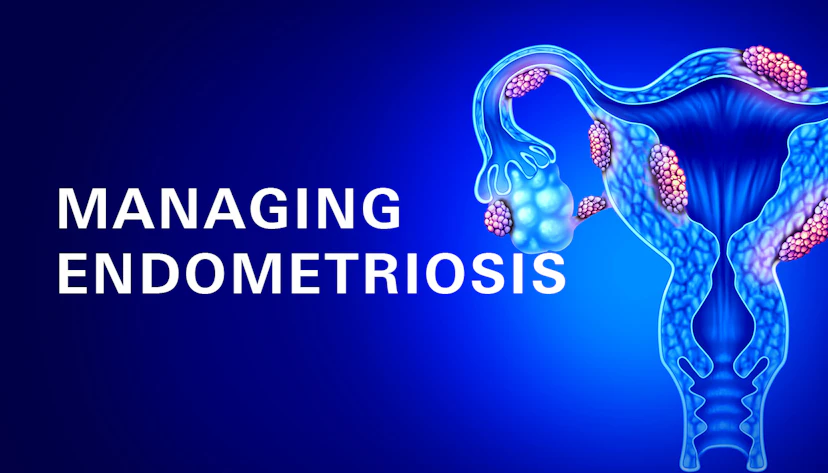
Managing Endometriosis: Navigating the Path to Diagnosis and Treatment
Endometriosis is a significant medical concern due to its widespread prevalence, impact on the lives of biological women, diagnostic challenges, association with infertility, ongoing research needs, and the importance of advocacy and support.
Read more
Types of Birth Control: Which Birth Control is Best?
Birth control is a form of contraception that is 99% effective at preventing pregnancy when taken regularly every day. There are various forms of birth control, including nonhormonal and hormonal.
Read more