Questions? Call us at 800-810-7790
- Type 2 diabetes is a condition where your body either doesn't make enough insulin or doesn't use it properly, leading to high blood sugar. This can cause various health problems like heart disease, nerve damage, and vision problems.
- You might feel thirsty, need to pee often, be tired, have blurry vision, or experience slow-healing sores. Sometimes, there are no symptoms at all.
- Your risk is higher if you are overweight, inactive, older, or having a family history of diabetes increases your risk.
- Managing type 2 diabetes involves healthy eating, exercise, weight loss (if needed), and sometimes medication (including insulin).



Overview
Type 2 diabetes is a condition that affects how your body uses sugar (glucose), which provides energy to your cells. When you eat carbohydrates like bread, pasta, rice, or potatoes, they break down into glucose.
This glucose enters your bloodstream, and your pancreas releases a hormone called insulin. Insulin helps glucose move from your blood into your cells so they can use it for energy.
With type 2 diabetes, this process doesn't work correctly. The most common problem is insulin resistance, meaning your cells don't respond well to insulin. Glucose then struggles to get into your cells and stays in your blood.
To compensate, your pancreas works harder to produce more insulin. Over time, this extra effort can wear out the pancreas, and it may not produce enough insulin to keep your blood sugar levels normal.
This leads to high blood sugar (hyperglycemia), which can damage your blood vessels, nerves, kidneys, and eyes. That's why managing your blood sugar is so important.
Type 2 diabetes often develops slowly. You may not notice any symptoms at first. However, as time goes on, you might feel more tired, thirsty, or hungry than usual. You may also urinate more often, have blurry vision, or notice that wounds heal slowly.
Prevalence
Type 2 diabetes is one of the most common chronic health conditions in the United States, affecting millions of patients across the country. According to the Centers for Disease Control and Prevention (CDC), over 37 million Americans have diabetes, and nearly 90-95% of those cases are type 2 diabetes.
- Age: The prevalence of diabetes increases with age. About 29.2% of adults aged 65 years or older have diabetes.
- Gender: Men have a slightly higher prevalence of diabetes (15.4%) compared to women (14.1%).
Other Types
While type 2 diabetes is the most common, other types of diabetes also affect millions of Americans.
Type 1 Diabetes
- This is an autoimmune condition where the immune system mistakenly attacks insulin-producing cells in the pancreas. Without enough insulin, blood sugar cannot move into cells, leading to high blood sugar levels.
- Type 1 diabetes often begins in childhood or early adulthood, but it can occur at any age.
- Approximately 5-10% of all diabetes cases in the U.S. are type 1 diabetes, making it far less common than type 2 diabetes.
Prediabetes
- This means your blood sugar levels are higher than normal, but not high enough to be diagnosed as type 2 diabetes yet. It's a warning sign that your body is starting to have trouble using insulin.
- About 96 million US adults (over 1 in 3) have prediabetes.
- Without changes, many people with prediabetes will develop type 2 diabetes within a few years.
- Healthy lifestyle changes, like better eating and exercise, can help reverse prediabetes or at least delay type 2 diabetes.
Gestational Diabetes
- This develops during pregnancy, when blood sugar levels become too high.
- It affects about 6-9% of pregnancies in the US each year.
- Gestational diabetes usually goes away after the baby is born, but it increases the mother's and child's risk of developing type 2 diabetes later in life.
Symptoms
Type 2 diabetes often develops gradually, making it easy to overlook early symptoms. However, recognizing these signs is important for diagnosis and treatment.
- Increased Thirst and Dry Mouth: High blood sugar pulls water from your tissues, leading to dehydration, which makes you thirsty and gives you a dry mouth.
- Frequent Urination: Your kidneys work overtime to get rid of excess sugar through your urine, making you need to go to the bathroom more often, especially at night.
- Blurry Vision: High blood sugar can affect the fluid in your eyes, making it hard to focus. This can cause temporary vision changes.
- Unexplained Weight Loss: If your body can't use glucose for energy, it might start breaking down fat and muscle, causing weight loss even if you haven't changed your diet.
- Fatigue: You might feel tired because your cells aren't getting the glucose they need for energy.
- Increased Hunger: Even after eating, you might still feel hungry because your body isn't using glucose properly for fuel.
- Slow-Healing Wounds or Frequent Infections: High blood sugar can make it harder for your body to heal wounds and fight off infections.
- Tingling or Numbness in Hands and Feet: This, called diabetic neuropathy, happens when high blood sugar damages nerves, especially in your hands and feet.
Diagnosis
Diagnosing type 2 diabetes involves several tests to measure blood sugar levels. These tests help identify whether a patient has diabetes, prediabetes, or normal glucose levels.
Hemoglobin A1C (HbA1C) Test
This test shows your average blood sugar levels over the past 2-3 months. It doesn't require fasting and provides a long-term view of blood sugar control. However, certain conditions, including anemia, can affect accuracy.
| Hemoglobin A1C (HbA1C) Test | |
|---|---|
| Normal | Below 5.7% |
| Prediabetes | 5.7% to 6.4% |
| Diabetes | 6.5% or higher |
Fasting Plasma Glucose (FPG) Test
This test measures blood sugar levels after at least 8 hours of fasting. It is one of the most common tests for diagnosing diabetes or prediabetes.
| Fasting Plasma Glucose (FPG) Test | |
|---|---|
| Normal | Less than 100 mg/dL |
| Prediabetes | 100 to 125 mg/dL |
| Diabetes | 126 mg/dL or higher |
Oral Glucose Tolerance Test (OGTT)
This test evaluates how the body processes sugar after drinking a glucose-rich drink. It is often used during pregnancy to diagnose gestational diabetes but can also confirm type 2 diabetes.
| Oral Glucose Tolerance Test (OGTT) | |
|---|---|
| Normal | Less than 140 mg/dL (two hours after after the drink) |
| Prediabetes | 140 to 199 mg/dL |
| Diabetes | 200 mg/dL or higher |
Random Plasma Glucose Test
This measures your blood sugar at any time of day, regardless of when you last ate.
| Random Plasma Glucose Test | |
|---|---|
| Diabetes | 200 mg/dL or higher (especially if you also have symptoms like thirst and frequent urination) |
Fingerstick Glucose Test
This is the finger prick test you might use at home to monitor your blood sugar. It's not used alone to diagnose diabetes.
Who Should Be Tested?
- Being 45 years or older
- Being overweight
- Having a family history of diabetes
- Having high blood pressure, high cholesterol, a history of heart disease, or a history of gestational diabetes
Risk Factors
Type 2 diabetes develops due to a combination of factors that affect how your body processes sugar. While anyone can develop this condition, certain risk factors increase the likelihood.
- Overweight or Obesity: Carrying excess fat, especially around your abdomen, can make your body less responsive to insulin.
- Sedentary Lifestyle: Limited physical activity contributes to weight gain and reduces your body’s ability to regulate blood sugar effectively.
- Family History: Having a parent or sibling with type 2 diabetes increases your risk of developing the condition.
- Age: The risk of type 2 diabetes increases after the age of 45. However, younger patients, including children, are now being diagnosed more frequently due to rising rates of childhood obesity.
- Medical Conditions: High blood pressure, high cholesterol, and a history of heart disease can also increase your risk.
- Prediabetes and Gestational Diabetes: Patients with prediabetes or those who have had gestational diabetes during pregnancy are at greater risk of developing type 2 diabetes later in life.
Complications
Type 2 diabetes can affect many parts of the body, leading to serious complications if blood sugar levels are not properly managed.
- Cardiovascular Disease: High blood sugar damages blood vessels, making it easier for fatty deposits to build up in your arteries. This greatly increases your risk of heart attacks, strokes, and high blood pressure. People with diabetes are much more likely to have heart-related problems.
- Nerve Damage (Diabetic Neuropathy): High blood sugar can damage nerves, often starting in your hands and feet. You might experience tingling, numbness, or pain. In severe cases, you can lose feeling altogether. This makes it easier to injure yourself without noticing, which increases your risk of infections and slow-healing wounds.
- Kidney Problems (Diabetic Nephropathy): Diabetes can damage the tiny filters in your kidneys. This can lead to kidney failure, requiring dialysis or a kidney transplant. Managing your blood sugar and blood pressure is crucial for protecting your kidneys.
- Vision Problems: High blood sugar can damage the blood vessels in your retina (diabetic retinopathy), which can lead to vision loss or blindness if untreated. You're also at higher risk for cataracts and glaucoma.
- Slow Wound Healing: Diabetes can affect circulation and weaken your immune system, making it harder for cuts and sores (especially on your feet) to heal. They're also more likely to get infected. This can lead to foot ulcers or even amputation in severe cases.
Managing type 2 diabetes is not just about keeping blood sugar levels in check; it is also about protecting your body from these potential long-term effects.
Treatment
Type 2 diabetes is often managed through a combination of lifestyle changes and medications that help control blood sugar levels.
Biguanides
Metformin (Glumetza): Usually the first medication prescribed. It lowers glucose production in your liver and improves your body's insulin response. Taken with meals to reduce stomach side effects (nausea, diarrhea, discomfort).
Biguanides
- Glimepiride (Amaryl): Taken once daily with breakfast or your first main meal. Side effects: shakiness, anxiety, headache, flu-like symptoms. Can cause weight gain.
- Glipizide (Glucotrol): Taken with meals or 30 minutes before breakfast. Side effects: dizziness, diarrhea, nervousness, low blood sugar. Can also cause weight gain.
Thiazolidinediones
Pioglitazone (Actos): Taken once daily, with or without food. Less likely to cause low blood sugar on its own, but can cause swelling, weight gain (from fluid retention), and potentially worsen heart failure. Other side effects: upper respiratory infections, sinus infections, headaches.
DPP-4 Inhibitors
Low risk of low blood sugar when taken alone, and less likely to cause weight gain.
- Saxagliptin (Onglyza): Taken once daily, with or without food. Side effects: upper respiratory infections, urinary tract infections, headaches.
- Linagliptin (Tradjenta): Taken once daily. Suitable for people with kidney or liver problems, but not a first choice for those with heart conditions. Side effects: cold symptoms, diarrhea, cough, weight gain.
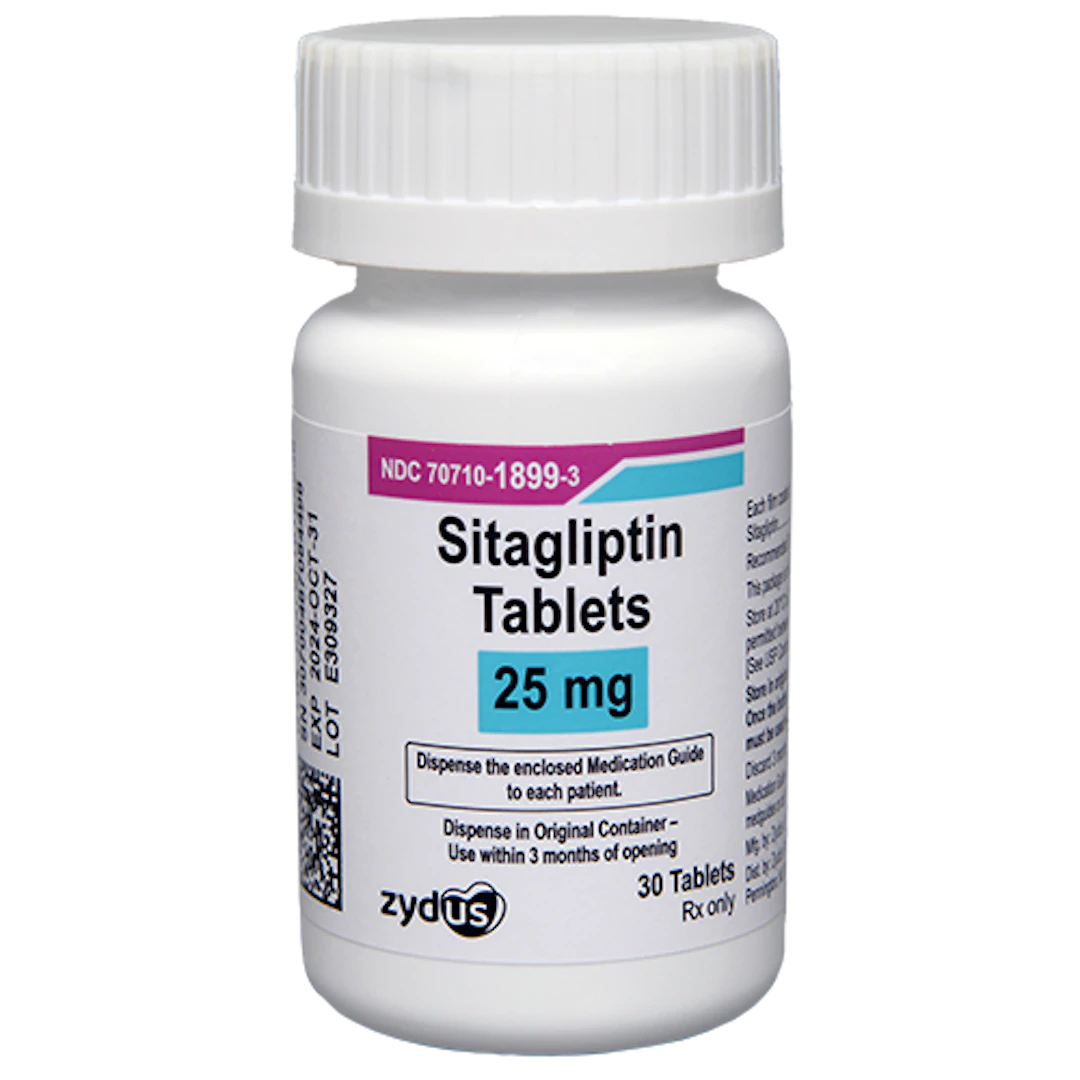
- Sitagliptin (Januvia/Zituvio): Taken once daily, with or without food. Side effects: runny nose, sore throat, cold-like symptoms.
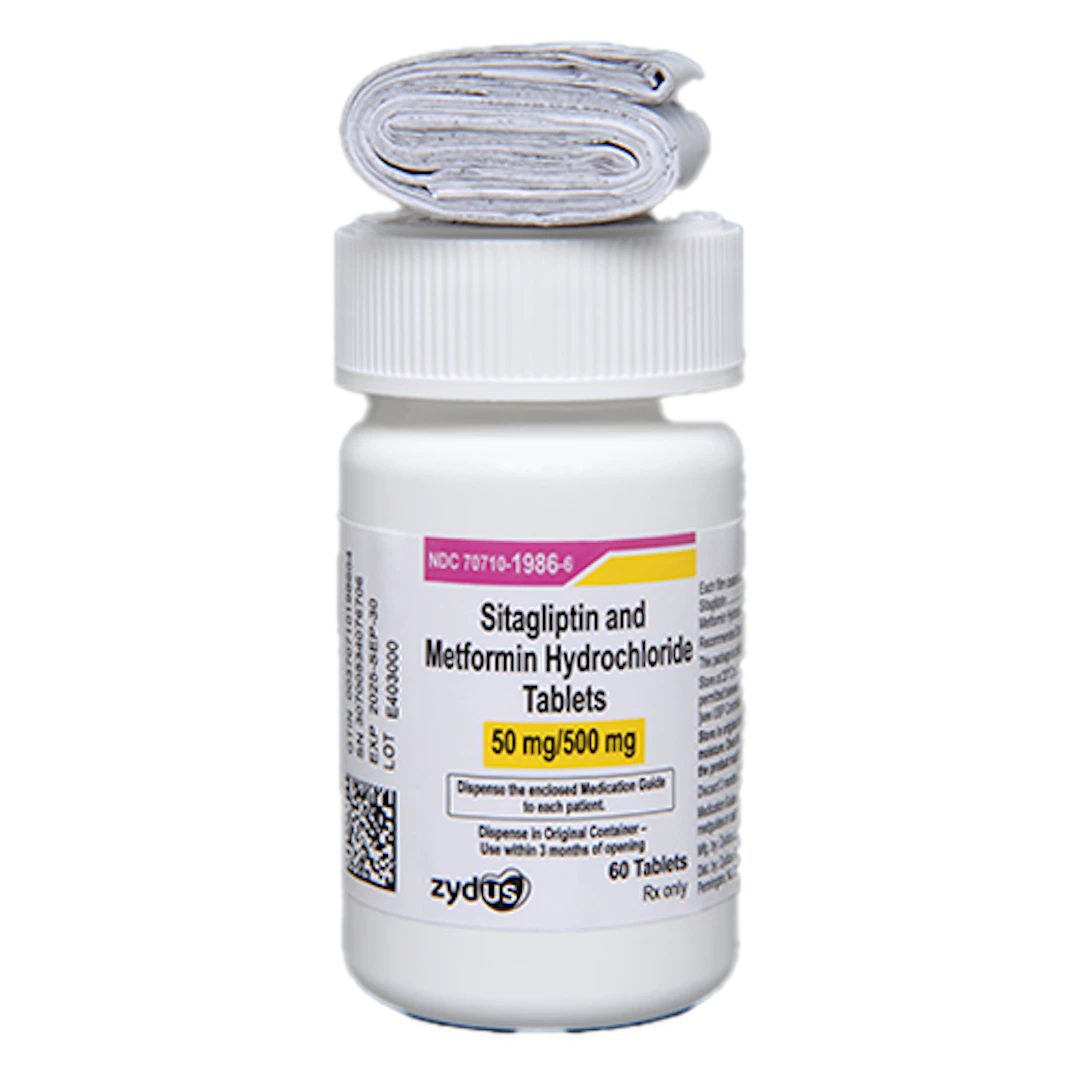
- Sitagliptin/Metformin (Janumet/Zituvimet): A combination pill. Must be taken with meals to avoid stomach upset (diarrhea)
GLP-1 Receptor Agonists
- Dulaglutide (Trulicity): Once-weekly injection. Lowers blood sugar and reduces the risk of major heart events in people with heart disease. Side effects: nausea, vomiting, diarrhea, stomach discomfort.
- Liraglutide (Victoza): Daily injection. Can be used in patients 10 and older. Helps control appetite (which can help with weight management) and lowers the risk of heart problems in adults with diabetes and heart disease. Side effects: nausea, diarrhea, vomiting, cold symptoms.
- Semaglutide (Ozempic): Once-weekly injection. Lowers blood sugar and may help with weight loss. Side effects: nausea, diarrhea, constipation, stomach pain.
SGLT-2 Inhibitors
- Empagliflozin (Jardiance): Taken once daily. Lowers the risk of heart-related death and hospitalization for heart failure. Side effects: urinary tract infections, vaginal yeast infections, increased urination, upper respiratory infections.
- Canagliflozin (Invokana): Taken once daily. Lowers blood sugar, reduces the risk of heart events, and protects against kidney complications in people with diabetic kidney disease. Side effects: urinary tract infections, vaginal yeast infections, increased urination.
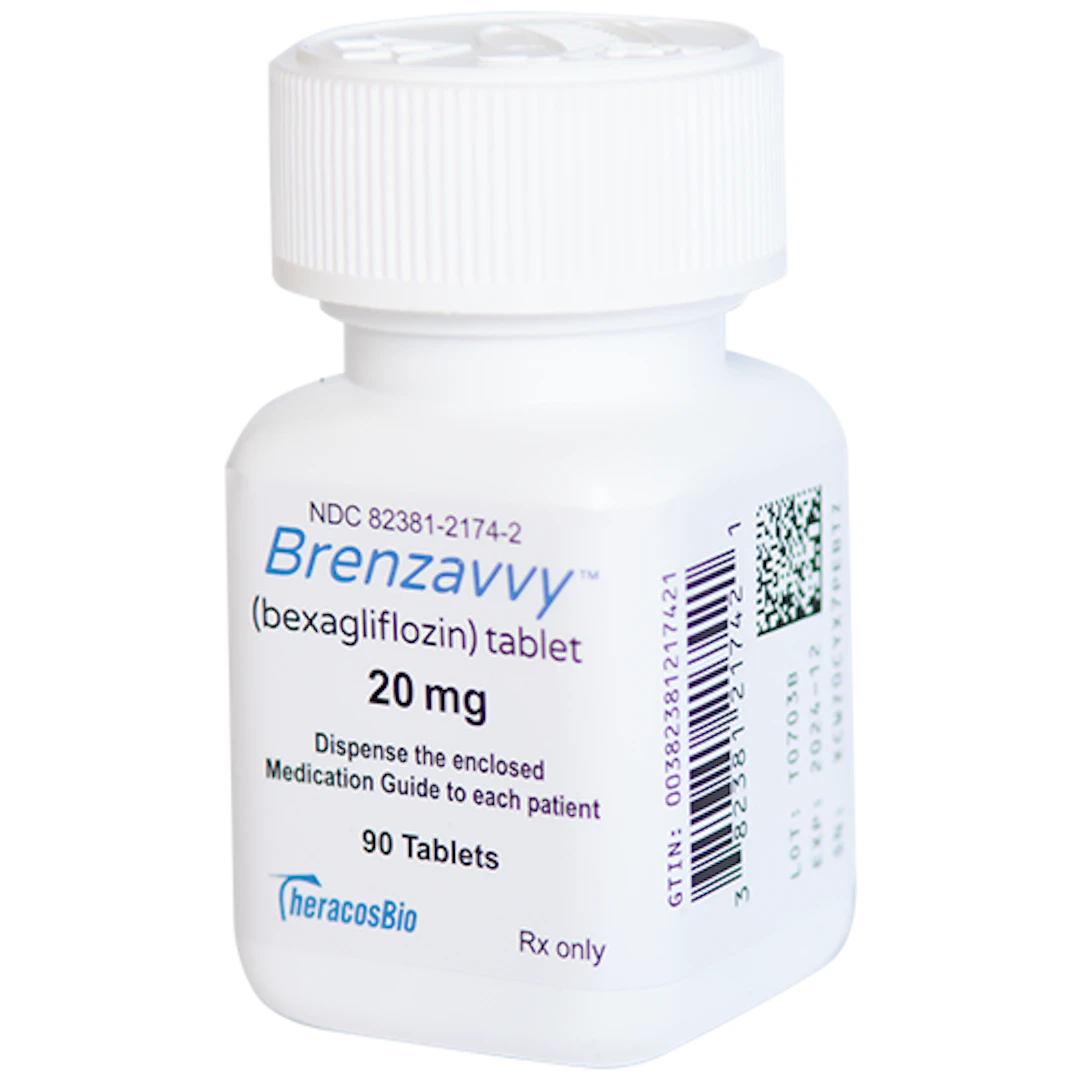
- Bexagliflozin (Brenzavvy): Taken once daily. Works similarly to other SGLT-2 inhibitors. Side effects: increased urination, urinary tract infections, vaginal yeast infections.
Prevention
While genetics and family history play a role in type 2 diabetes, many steps can be taken to prevent or delay its onset.
- Maintain a Healthy Weight: This is one of the most powerful things you can do. Losing even a small amount of weight (5-7% of your body weight) through healthy eating and exercise can make a big difference. It's especially important to avoid carrying excess fat around your belly.
- Healthy Diet: Focus on fiber-rich foods including vegetables, fruits, whole grains, beans, chickpeas, peanuts, and lentils. Limit processed foods, sugary drinks, and refined carbohydrates, such as pasta or snacks. Incorporate lean proteins and healthy fats, such as those from fish or olive oil, to support overall health and stable blood sugar levels.
- Regular Exercise: Activities like walking, cycling, or strength training help your body use insulin more effectively. Aim for at least 150 minutes of moderate activity weekly, along with muscle-strengthening exercises twice a week.
- Monitor Blood Sugar, Manage Stress, and Prioritize Quality Sleep: Stress and poor sleep patterns can disrupt blood sugar regulation and increase insulin resistance. Incorporate relaxation techniques and aim for 7-9 hours of sleep each night to improve overall health.
Related Topics
Understanding Diabetes
37.3 million Americans struggle with diabetes: 28.7 million diagnosed, and 8.5 million undiagnosed. Left untreated diabetes can lead to many complications, such as organ damage and nerve damage.
Medication for Type 2 Diabetes
About 1 in 10 Americans have diabetes and more than 90% of them have type 2 diabetes. Unlike those with type 1 diabetes, the majority of people with type 2 diabetes still make insulin. However, it either isn't enough to handle all the glucose in your blood or their beta cells can't effectively recognize and use the insulin, insulin resistance.
Brenzavvy for Type 2 Diabetes
Brenzavvy is a medication designed to improve glycemic control in individuals with type 2 diabetes. It works alongside diet and exercise regimens to achieve this goal. The active ingredient in Brenzavvy is bexagliflozin, which belongs to a drug class called sodium-glucose co-transporter 2 (SGLT2) inhibitors.
Read moreJanuvia vs Zituvio: What's the difference?
Januvia and ZITUVIO are medications designed to manage blood sugar levels in people with type 2 diabetes. Both contain an active ingredient called Sitagliptin. Januvia gained approval from the Food and Drug Administration (FDA) on October 16, 2006, while ZITUVIO received its approval more recently on Oct 20, 2023.
Read moreAll About Metformin
Metformin works by decreasing sugar production in the liver, decreasing absorption of sugars in your digestive tract, and increases uptake of sugars to your muscle, thus improving insulin sensitivity.
Read moreRybelsus Tablet vs Ozempic Injection
Understanding the difference between Rybelsus and Ozempic is important for effectively managing your type 2 diabetes. While both medications contain the same active ingredient, semaglutide, they offer unique features that may impact your treatment journey.
Read more